If you’ve typed “AI review generator” into Google, you’re probably in one of two camps. Either you’re a manager staring at a blank performance-review form an hour before it’s due, or you’re a business owner trying to figure out how to get more (and better) customer feedback without spending your whole week on it.
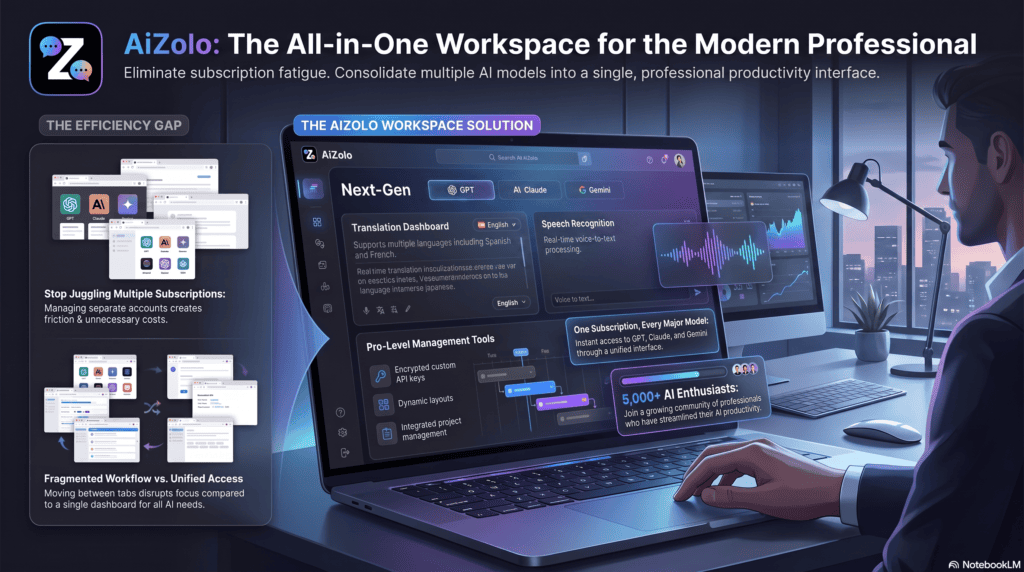
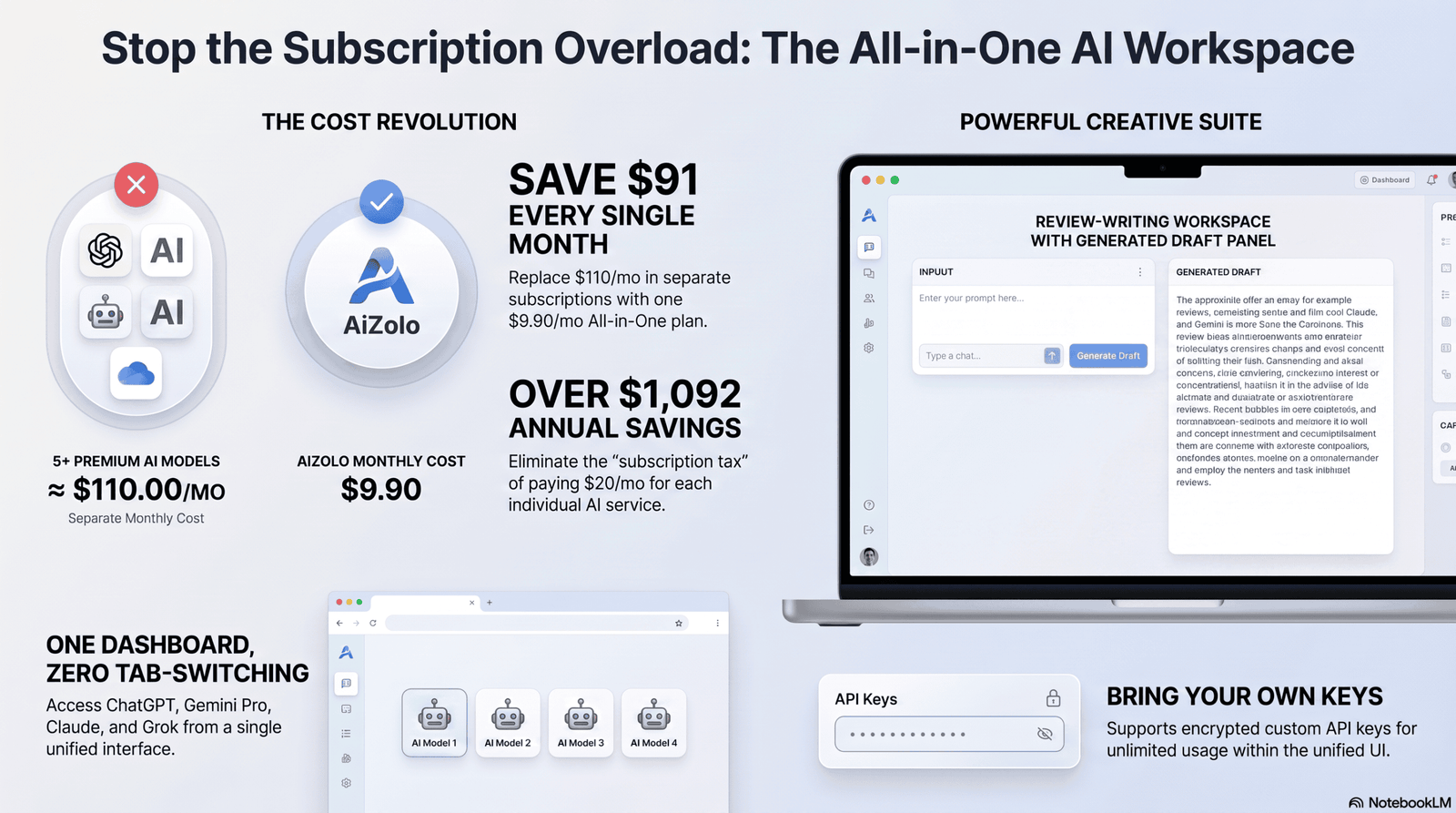
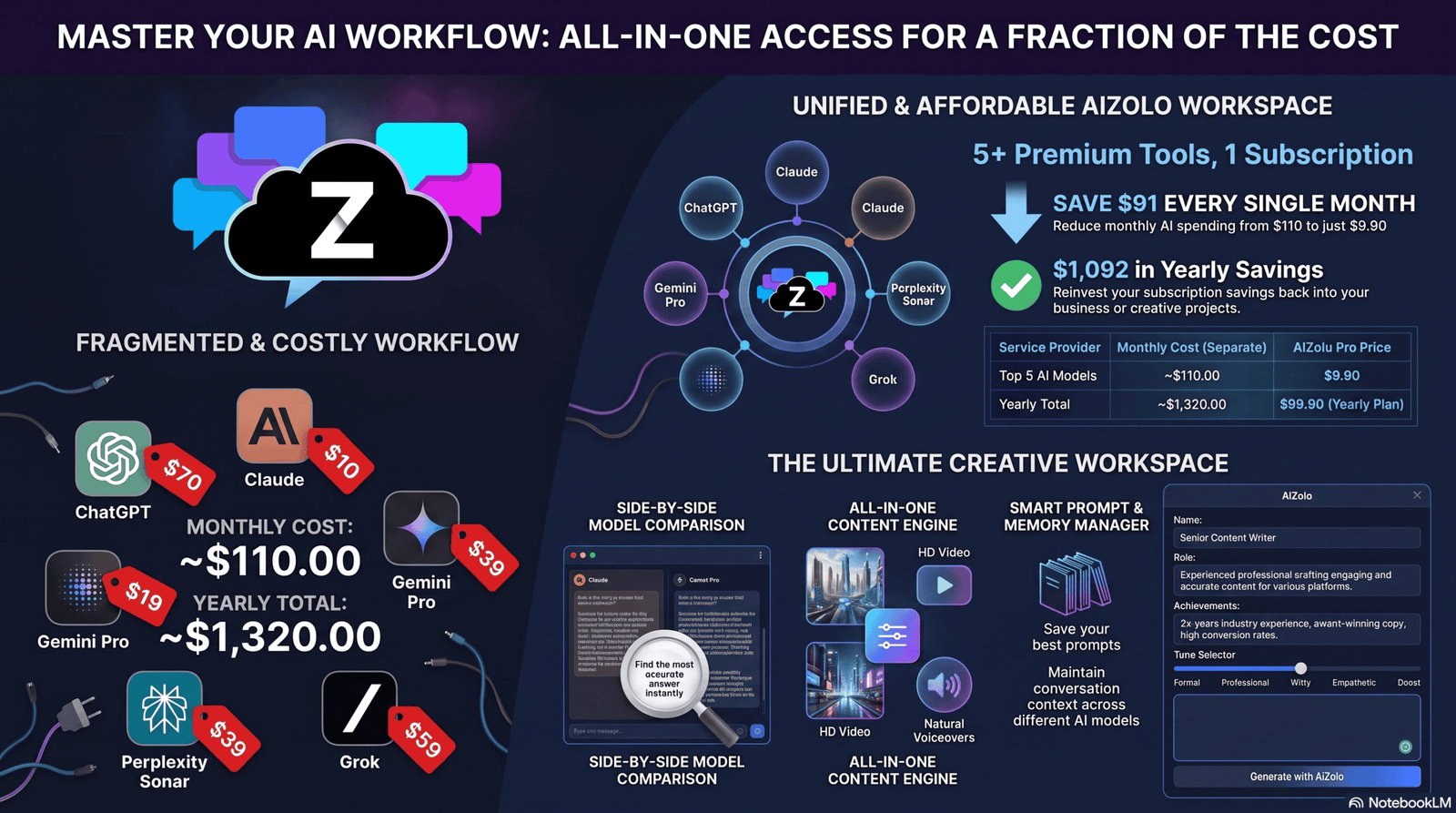
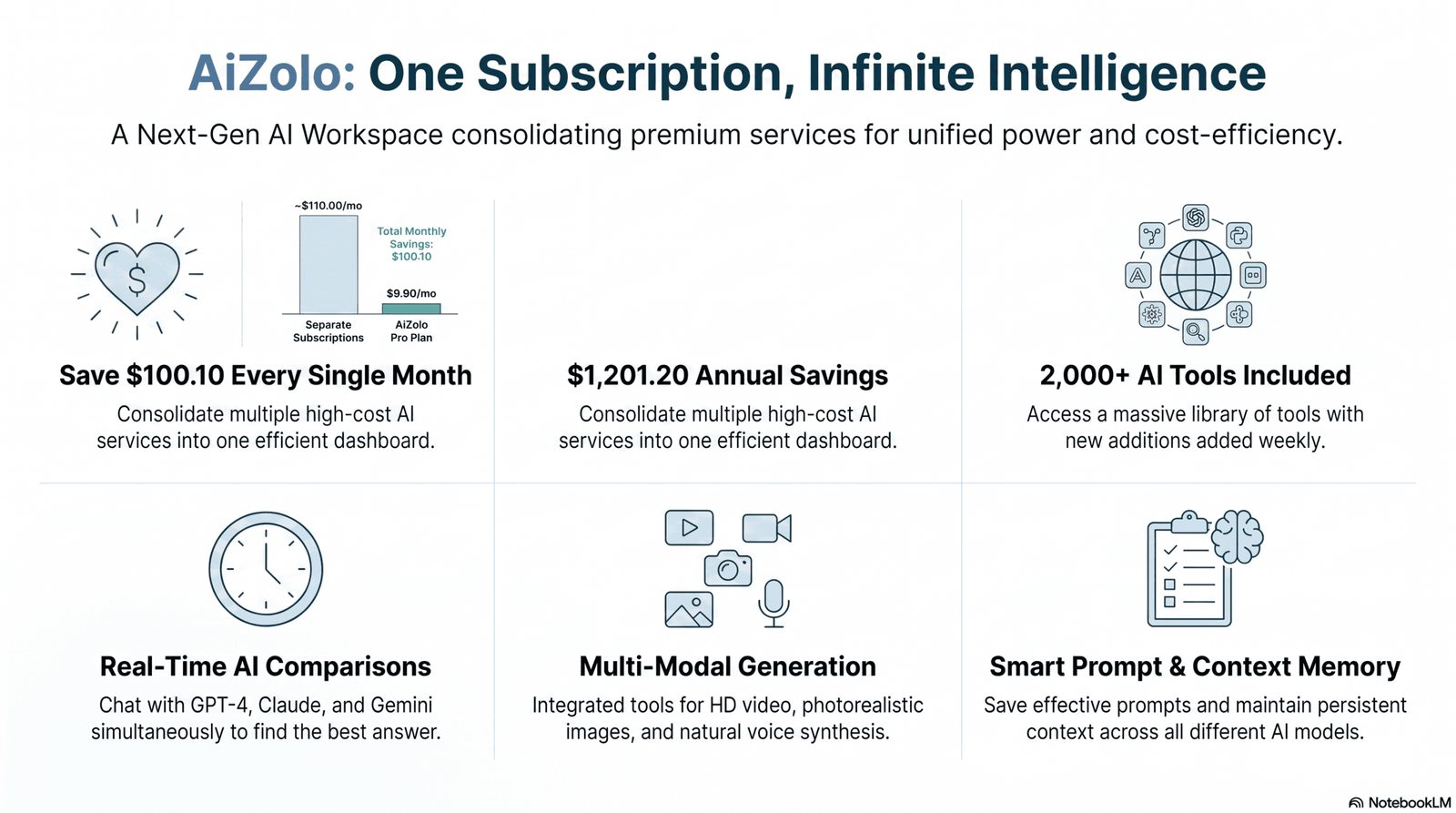
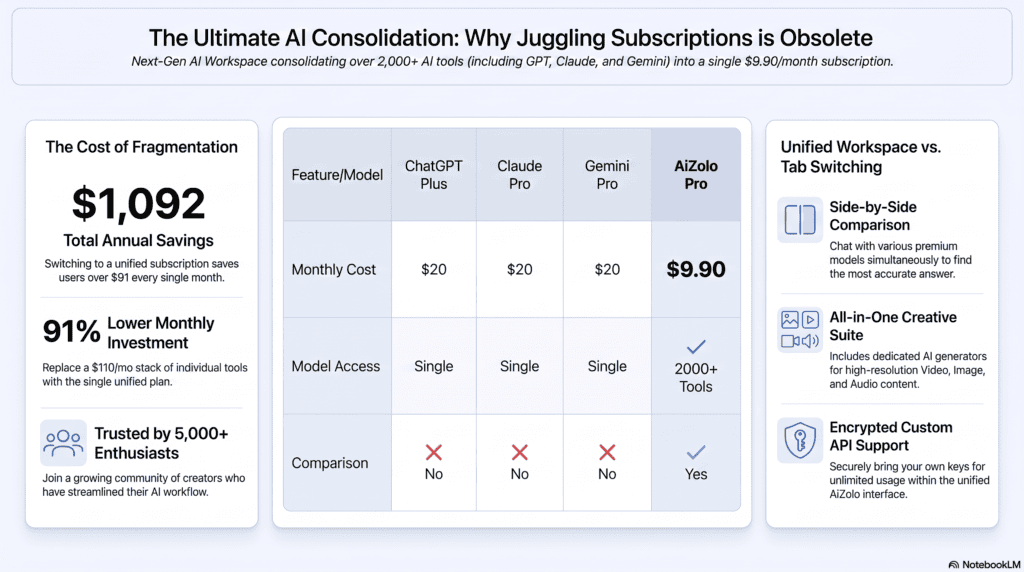
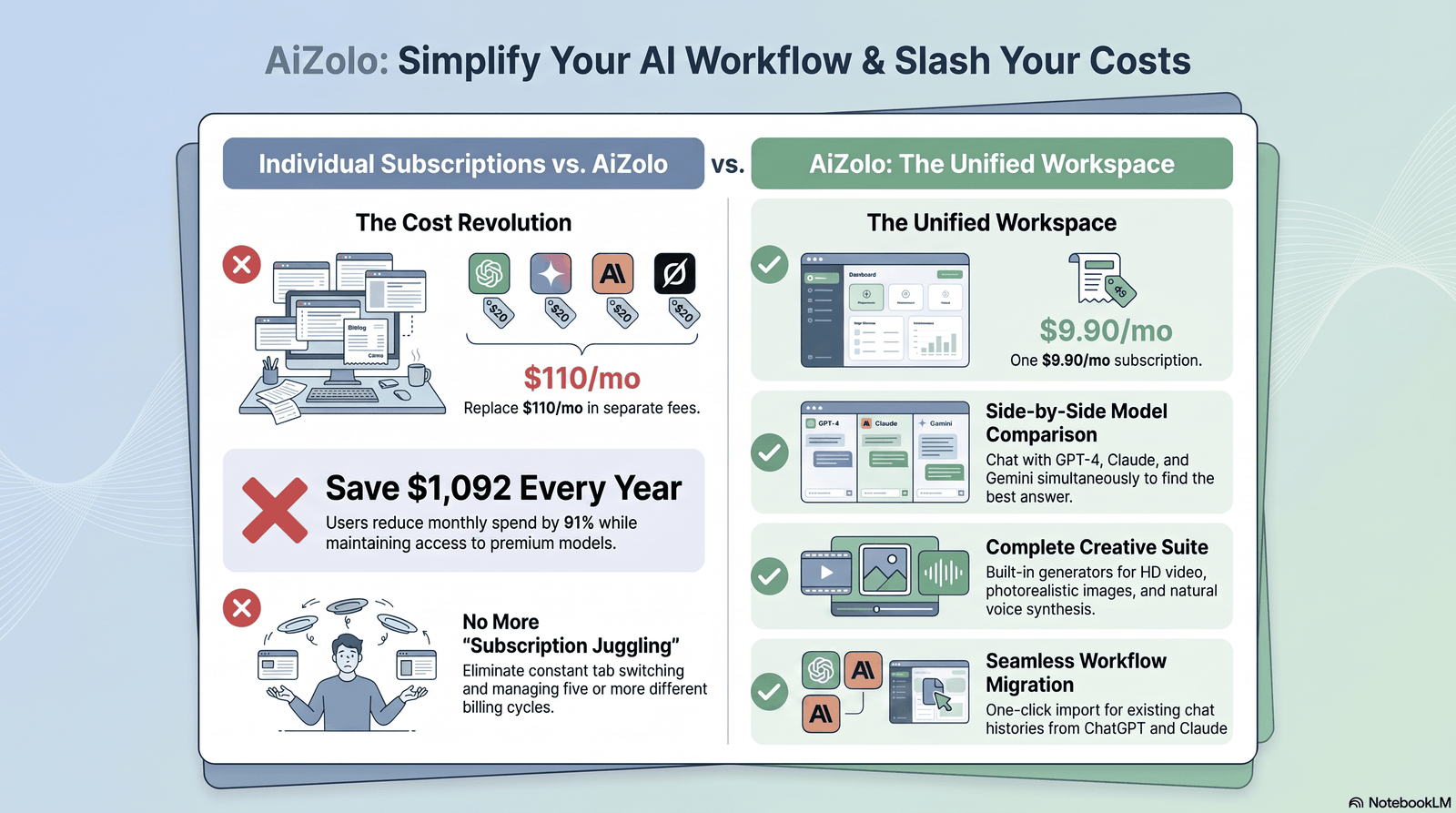
This guide covers both. We’ll walk through what an AI review generator actually is, how the technology behind it works, which tools are worth paying for, and how Aizolo helps streamline review generation—while also exploring where the ethical and practical lines sit.
We tested the leading tools, compared their outputs side by side, and cross-checked every claim against Google’s current guidance on AI-generated content.
By the end, you’ll know exactly which type of AI review generator fits your situation, how to prompt it properly, and when to leave the writing to a human instead.
Search interest in this category has grown fast over the last two years, and for good reason: review volume affects everything from local search rankings to hiring decisions. But speed without accuracy creates its own problems — a poorly edited AI review can damage trust faster than a slow, honest one ever would. This guide is built around that trade-off, with real comparisons rather than vague praise for “the power of AI.”
Table of Contents
What Is an AI Review Generator?
An AI review generator is software that uses natural language processing (NLP) and large language models to turn a handful of details — a name, a role, a few bullet points — into a complete, readable written review.
Depending on the tool, it might produce:
- A customer or product review based on a purchase experience
- An employee performance review based on achievements and development areas
- A review response replying to feedback left on Google, Yelp, or another platform
- A review template that a real person fills in with their own words
The important distinction: a legitimate AI review writer helps someone articulate a real opinion or real performance data faster. It is not the same thing as a bot that invents five-star reviews from nothing and posts them under fake names — that’s fake review generation, and it’s a different (and much riskier) activity entirely, which we’ll cover in the ethics section.
Expert Tip: If a tool’s main selling point is “generate hundreds of reviews instantly with no input required,” treat that as a red flag rather than a feature.
How Does an AI Review Generator Work?
Most AI review generator tools follow a similar pipeline, whether they’re aimed at HR teams or online reputation managers.
- Input collection — You provide structured details: employee name and role, or product name and experience notes, plus tone and length preferences.
- Prompt construction — The tool wraps your input in a pre-built prompt template designed to produce a specific review structure (strengths, development areas, summary, etc.).
- Language model generation — A large language model (often GPT-based, sometimes a fine-tuned or proprietary model) generates the draft text.
- Post-processing — The tool may apply formatting, tone adjustment, translation, or plagiarism/AI-detection checks.
- Human review and edit — The output is handed back to you to fact-check, personalize, and finalize.
Step 5 is the one most competitor guides skim over — but it’s the step that determines whether the review is useful or a liability.
Under the hood, the quality of the output depends heavily on two things: how specific your input is, and how well the tool’s prompt template is designed. A generic template with vague input produces the flat, interchangeable-sounding reviews that give AI writing a bad name.
A well-built template combined with specific, real details — an actual metric, an actual product feature, an actual date — produces something closer to what a thoughtful human would write on their first try. This is why two people can use the exact same AI review generator and get completely different quality results.
Types of AI Review Generators
Not every AI review generator is built for the same job. Here’s how the category breaks down.
| Type | Primary Use Case | Typical User |
|---|---|---|
| AI performance review generator | Employee evaluations, self-reviews, peer reviews | HR teams, managers |
| AI customer review generator | Testimonials, product feedback drafts | E-commerce, SaaS, retail |
| AI review response generator | Replying to Google/Yelp/Facebook reviews | Review managers, agencies |
| AI product review generator | Long-form product write-ups | Content creators, affiliate sites |
| AI review writing tool (general) | Any structured feedback | Freelancers, small teams |
Expert Tip: Many businesses actually need two different tools — one for internal employee evaluation AI and one for customer-facing review management software. Don’t assume a single subscription covers both use cases well.
It’s also worth separating “review drafting” tools from “review management” platforms. A drafting tool, like the ones in the first three rows above, focuses purely on generating text.
A management platform bundles drafting with review requests, monitoring, sentiment analysis, and multi-location reporting — which is a different budget and a different buying decision entirely.
Confusing the two categories is one of the more common mistakes we see when businesses shop for an AI review generator based on price alone.
Benefits of Using an AI Review Generator
Used correctly, an AI review generator solves a few very specific, very common problems.
- Beats blank-page syndrome. Getting started is usually the hardest part of writing a review — a draft gives you something to react to and edit.
- Saves time at scale. Multi-location businesses and managers with large teams can move through dozens of reviews much faster.
- Improves consistency. Tone and structure stay uniform across a batch of reviews or responses.
- Supports multilingual teams. Several tools can draft in 30–40+ languages, which helps global HR teams and international customer bases.
- Reduces the emotional labor of tough feedback. Finding diplomatic phrasing for a hard conversation is easier with a starting draft.
- Surfaces structure you might miss. Good tools remind you to include strengths, gaps, and next steps rather than a vague paragraph.
Limitations You Need to Know
No honest guide skips this part, so let’s be direct about where these tools fall short.
- Generic output on thin input. Give a tool three words and you’ll get a generic review back. Detail in, detail out.
- No knowledge of internal policy or law. AI review generators don’t know your company’s compliance rules, union agreements, or region-specific employment law.
- Occasional factual contradictions. It’s common for a tool to list something as both a strength and a development area in the same draft.
- Formatting quirks. Some tools output raw Markdown symbols, inconsistent spacing, or awkward paragraph breaks that need cleanup.
- Free tiers cap usage. Word limits, daily report caps, and mandatory account sign-ups are standard once you go past a trial.
- Cannot verify authenticity. A review generator has no way of confirming a customer actually had the experience it’s describing — that responsibility stays with you.
Warning Box: Never use an AI review generator to publish content under someone else’s name without their knowledge or consent — this applies to both employee reviews and customer testimonials.
When Should You Use One?
An AI review generator is a good fit when:
- You need a first draft, not a final document
- You’re writing multiple similar reviews in one sitting (review season, multi-location responses)
- You already have real input data — actual achievements, actual customer notes
- You want a template or outline rather than finished copy
- You’re drafting in a second language and want a fluent starting point
When Should You Avoid One?
Skip the AI review generator, or use it with extra caution, when:
- The review involves legal, disciplinary, or compliance-sensitive content
- You have no real input to work from (this is where “generation” tips into fabrication)
- Company policy or a client contract prohibits AI-assisted drafting
- The feedback needs to reflect highly specific metrics or KPIs the tool can’t access
- It’s the final version — every AI-assisted review still needs a human pass before it goes out
Best Practice Box: Treat the AI draft the way you’d treat a first-year analyst’s first draft — promising, but not something you’d send to a client or an employee’s HR file without checking it yourself.
AI Review Generator vs. Human Writing
| Factor | AI Review Generator | Human Writing |
|---|---|---|
| Speed | Seconds to minutes | Minutes to hours |
| Consistency | High | Varies by writer |
| Emotional nuance | Moderate, needs editing | Naturally higher |
| Factual accuracy | Depends entirely on input | Can draw on direct knowledge |
| Legal/compliance awareness | None | Can be trained and briefed |
| Cost at scale | Low | Higher (time cost) |
| Authenticity for customer reviews | Risky if unedited | Naturally authentic |
| Best role | First draft, structure, phrasing | Final judgment, sign-off |
The realistic takeaway: the best workflow isn’t “AI vs. human,” it’s AI drafts, human finalizes.
Best AI Review Generator Tools Compared
Below is a comparison based on hands-on testing across output quality, input flexibility, ease of use, export options, and access requirements.
| Tool | Best For | Free Plan Limits | Sign-Up Required |
|---|---|---|---|
| Easy-Peasy.AI | Multilingual reviews (40+ languages) | 2 reports/day | No |
| Writify.AI | Tone customization (20+ tones) | Unlimited, ad-supported | No |
| Vondy | Structured feedback across review types | Limited free reports, then credits | Yes, after first report |
| GravityWrite | In-app formatting and editing | 1,000 words/month | Yes |
| Birdeye Reviews AI | Customer review generation & response at scale | Demo-based, enterprise pricing | Yes |
| Jasper | General-purpose AI writing incl. review drafts | Trial only | Yes |
Screenshot Suggestion: Side-by-side comparison table view — place directly after this table for visual reinforcement, especially on mobile where tables can be hard to scan.
Quick Takeaways by Tool
- Easy-Peasy.AI stands out for language versatility and a “point of view” switch (first/second/third person), but free usage is capped at two reports per day.
- Writify.AI offers the widest tone range and lets you export as PDF, though the free version carries in-app ads.
- Vondy produces the most clearly labeled, section-based output for performance reviews, but shifts to a credit system quickly.
- GravityWrite gives you the most in-app formatting control (headers, bullets, images) but its free tier is limited to 1,000 words a month.
- Birdeye Reviews AI is built specifically for customer review generation, requests, and AI-assisted responses at multi-location scale — it’s a reputation-management platform, not a standalone drafting tool.
- Jasper works as a general AI writing assistant that can handle review copy alongside marketing content, useful if you already use it for other content needs.
None of these tools are universally “best” — the right choice depends on your primary use case. A solo manager writing a handful of quarterly reviews has very different needs than a 40-location retail chain managing thousands of customer reviews a month.
If you’re mostly writing employee evaluations, prioritize tone control and structured input fields. If you’re managing customer reputation at scale, prioritize request automation and response workflows over pure drafting features, since the volume problem matters more than the writing problem at that scale.
Features to Look For
When evaluating any AI review writing tool, prioritize:
- Structured input fields (name, role, achievements, tone) over a single blank text box
- Tone and language controls
- Export options (PDF, copy, direct integration with your HRIS or review platform)
- Transparent free-tier limits stated up front, not discovered mid-task
- Data privacy practices — where is your input data stored, and is it used for model training?
- Edit-in-app capability so you’re not bouncing between three different windows
Best Practice Box: If you handle sensitive HR or customer data, check the tool’s data retention and privacy policy before you paste anything into it — this matters more for an AI performance review generator than almost any other feature.
Pricing Comparison: Free vs. Paid
| Plan Type | Typical Price Range | What You Usually Get | Best For |
|---|---|---|---|
| Free | $0 | Daily/monthly caps, basic tone options, copy-only export | Occasional users, testing tools |
| Starter/Plus | $15–$50/month | Higher word limits, more tones/languages, downloads | Small teams, regular use |
| Pro/Unlimited | $50–$100+/month | Unlimited generations, priority support, integrations | HR departments, agencies |
| Enterprise (e.g., reputation platforms) | Custom/demo-based | Multi-location review generation, response automation, analytics | Multi-location brands, franchises |
Expert Tip: Free plans are genuinely useful for testing whether a tool’s output style fits your voice before you commit to a paid tier — don’t skip the free trial step even if you already know you’ll upgrade.
Step-by-Step Guide to Using an AI Review Generator
- Choose the right tool type — performance review generator vs. customer review generator vs. response generator.
- Gather real input first. Write down actual achievements, actual customer notes, or actual review content before opening the tool.
- Select tone and length. Match the tone to your audience — formal for compliance-heavy industries, warm for customer-facing responses.
- Generate the draft.
- Fact-check every sentence. Cross-reference names, dates, numbers, and claims against your source notes.
- Personalize the language. Swap generic phrases for details only you would know.
- Check for contradictions. Watch for the same point appearing as both a strength and a weakness.
- Run a final human read-through before publishing or filing.
- Export or copy into your final destination (HRIS, Google Business Profile, review site).
The Best Prompts (20+ Ready-to-Use Templates)
Copy, adapt, and fill in the bracketed details.
Business & Customer Reviews
- “Write a 100-word customer review for [product/service] from someone who used it for [use case]. Mention [specific feature] and an honest limitation.”
- “Draft a 4-star Google review for a [business type] highlighting friendly service but a minor wait-time issue.”
- “Write a first-person testimonial for [product] focused on ease of use and value for money.”
Review Response Templates 4. “Write a warm, brand-appropriate response to a 5-star review that mentions [specific detail from the review].” 5. “Draft an empathetic response to a 2-star review about [issue], acknowledging the problem without being defensive.” 6. “Write a response thanking a customer for detailed feedback about [feature], and invite them to contact support directly.”
Employee & HR Reviews 7. “Write a mid-year performance review for a [job title] who achieved [achievement] and needs to improve [development area].” 8. “Draft a self-evaluation in first person for a [job title] summarizing key wins from the last quarter.” 9. “Write a peer review for a teammate who consistently [strength] but could improve [growth area].” 10. “Draft a manager review that opens with a strengths summary, followed by two SMART development goals.”
Marketing & Agency Use 11. “Write three review-style testimonial variations for a SaaS product targeting small business owners.” 12. “Draft a case-study-style review combining a customer quote with measurable results.”
Product Reviews 13. “Write a balanced product review for [product], covering build quality, price, and one drawback.” 14. “Draft a comparison-style review of [product] vs. [competitor product] from a first-time buyer’s perspective.”
Customer Service 15. “Write a review reflecting a customer’s experience with fast support resolution for [issue type].”
Restaurants & Hotels 16. “Draft a restaurant review focused on food quality, ambience, and service speed for a [cuisine type] restaurant.” 17. “Write a hotel review mentioning room cleanliness, staff friendliness, and location convenience.”
Healthcare 18. “Write a patient experience review focused on appointment scheduling ease and staff communication (no clinical details).”
Education 19. “Draft a course review from a student’s perspective, covering instructor clarity and course pacing.”
SaaS & E-commerce 20. “Write a SaaS product review covering onboarding experience, core feature usefulness, and customer support responsiveness.” 21. “Draft an e-commerce review covering shipping speed, packaging quality, and product-as-described accuracy.”
Expert Tip: The best prompts always include a role, a tone, and at least one specific detail — vague prompts are the single biggest cause of generic-sounding AI reviews.
Real Examples by Review Type
Customer Review (Product)
A short, specific example: praising a feature, noting one honest limitation, mentioning intended use case — never a generic “great product, highly recommend” with no detail.
Google Review Response
Acknowledges the specific point raised, thanks the reviewer by context (not necessarily by full name for privacy), and invites further contact if the review was negative.
Employee Performance Review
Opens with a summary of the review period, lists two to three specific achievements with measurable outcomes, names one or two development areas framed constructively, and closes with a forward-looking goal.
Manager Review
Similar structure to the performance review but written from a supervisory perspective, focused on team impact and leadership behaviors.
Peer Review
Written in a collegial tone, focused on collaboration quality and specific project contributions rather than management-style evaluation language.
Restaurant / Hotel / Software / Service Reviews
Each follows the same underlying pattern: one or two specific, sensory or functional details + an honest note (positive or constructive) + a natural, non-templated closing line.
Why the pattern matters: Notice that none of these examples read as pure praise. Real reviews — and the AI-assisted drafts that read as credible — almost always include at least one specific, honest, non-glowing detail alongside the positive points.
Reviews that are 100% superlatives (“amazing,” “perfect,” “best ever”) with zero specific detail are exactly the pattern that both readers and platform detection systems flag as inauthentic. If your generated draft reads like an ad, rewrite it before publishing.
Screenshot Suggestion: Generated review example with visible edit markers (highlighted phrases a human changed) — place at the end of this section to visually reinforce the “AI drafts, human finishes” workflow.
Common Mistakes to Avoid
- Publishing the first draft unedited. This is the single most common — and most damaging — mistake.
- Feeding the tool vague or minimal input and expecting a specific, credible result.
- Using an AI review generator to fabricate customer reviews with no real transaction or experience behind them.
- Ignoring platform policies. Google, Yelp, and Amazon all prohibit fake or incentivized reviews, AI-generated or not.
- Skipping the contradiction check. Always re-read for conflicting statements about the same person or product.
- Treating tone settings as a substitute for personalization. A “friendly” tone preset doesn’t make a review sound authentic on its own.
- Forgetting data privacy. Pasting confidential employee or customer data into a tool without checking its privacy policy.
- Assuming “AI-assisted” means “hands-off.” Even the best current tools still need a human to catch tone mismatches, outdated details, or claims that no longer apply.
- Reusing the exact same generated phrasing across many customers or employees. Repetition across supposedly independent reviews is one of the clearest signals that something isn’t authentic.
Ethical Considerations and Google’s Policies
This is the section most SEO-focused competitor articles rush through — and it’s the one that matters most.
Google’s review policies explicitly prohibit fake or misleading reviews, whether they’re written by a person or generated by AI. Businesses caught posting fabricated reviews risk having their Google Business Profile suspended or removed entirely. The same principle extends to review platforms like Yelp and Amazon, which maintain their own detection systems for templated, AI-generated review patterns.
The ethical line is not “did AI touch this text” — it’s “does this text represent a real experience, honestly represented.”
Ethical uses:
- Drafting a template a real customer fills in with their own words
- Helping a real customer polish grammar or structure in a review they already wrote
- Generating a response to a genuine review, reviewed and approved by a human before posting
- Drafting an employee performance review based on real, documented performance data
Unethical (and often policy-violating) uses:
- Auto-posting AI-generated reviews under fake customer names
- Using AI to flood a listing with generic five-star reviews to drown out real complaints
- Writing a performance review with fabricated achievements the employee didn’t accomplish
- Impersonating a specific real person’s voice in a testimonial without their consent
Warning Box: If you’re using an AI review generator to increase your star rating through fabricated content rather than genuine service improvement, you are exposed to both platform penalties and, in some jurisdictions, regulatory consequences under consumer-protection and endorsement-disclosure rules.
SEO Considerations for Review Content
If you’re using AI-assisted drafts for review responses or testimonial pages on your own site, a few SEO-specific points matter:
- Avoid templated, repetitive phrasing across many reviews or responses — search engines and platforms increasingly detect scaled, low-effort AI content patterns.
- Add genuine specificity (product names, real details) rather than generic praise — this also helps the content actually read as helpful to future customers.
- Disclose AI assistance where relevant, especially on testimonial or case-study pages, to stay aligned with transparency expectations in current helpful-content guidance.
- Never let AI-assisted review content replace genuine schema-marked review data — structured data should reflect real, verifiable reviews only.
- Watch keyword density on testimonial pages. If you’re compiling multiple customer quotes for an SEO landing page, avoid engineering every quote to hit the same target keyword — it reads as manufactured and undermines the trust signal the page is meant to build.
- Prioritize freshness over volume. A steady trickle of genuine, recent reviews tends to help local and product SEO more than a single large batch posted at once, which can itself look like an unnatural pattern.
Future Trends in AI Review Generation
- Tighter integration with review platforms — expect more native “AI-assisted response” features built directly into Google Business Profile and similar dashboards, with human-approval steps built in by default.
- Better contradiction detection — tools are starting to flag when generated content conflicts with itself.
- Sentiment-aware response drafting — response generators increasingly factor in review sentiment, past interaction history, and even attached photos.
- Stronger platform enforcement — as detection of AI-written fake reviews improves, expect stricter penalties and more transparency requirements industry-wide.
- Multimodal review tools — generating review responses that account for uploaded images or video alongside text.
- Deeper HR integrations — expect AI performance review generators to pull directly from project-management or CRM activity logs, reducing the need for managers to manually list achievements.
- Real-time authenticity scoring — some platforms are beginning to flag their own generated drafts for “generic language risk” before a human even reads them, essentially building the contradiction and authenticity check into the tool itself rather than leaving it entirely to the end user.
None of these trends change the core rule: the tools are getting better at producing a draft, not at replacing judgment about what should be published. That responsibility isn’t going anywhere.
Frequently Asked Questions
What is an AI review generator? An AI review generator is software that uses natural language models to draft written reviews — customer testimonials, employee performance reviews, or review responses — based on details you provide, such as achievements, tone, and review type.
Is it legal to use an AI review generator? Using one to draft content based on real experiences or real performance data is generally fine. Using one to fabricate reviews that misrepresent reality can violate platform policies and, in some cases, consumer-protection law.
Can AI review generators write fake customer reviews? Technically yes, but doing so violates the terms of service of platforms like Google, Yelp, and Amazon, and risks account suspension along with reputational damage.
Are free AI review generator tools good enough? Free tiers work well for testing a tool’s tone and structure, but most cap daily or monthly usage and limit export options, so regular users typically need a paid plan.
Do AI performance review generators reduce manager bias? Not automatically. They can standardize tone and structure, but bias reduction depends on the quality and neutrality of the input data you provide.
Can I use an AI review generator for self-evaluations? Yes — most tools support first-person prompts, and several offer templates specifically for self and peer reviews.
What’s the difference between an AI review generator and an AI review response generator? A review generator drafts new review content (testimonials or evaluations); a response generator drafts replies to reviews that already exist, such as replying to a Google review.
Will Google penalize AI-generated review responses? Not simply for being AI-assisted, but templated, generic, or clearly fabricated responses can hurt trust signals and, at scale, may trigger spam-pattern detection.
How much does an AI review generator cost? Pricing ranges from free (with usage caps) to $15–$100+ per month for individual tools, and custom enterprise pricing for full reputation-management platforms.
Can AI review generators translate reviews into other languages? Many tools support 20–40+ languages, which is useful for multilingual teams and international customer bases.
Do I still need to edit an AI-generated review? Yes, always. Fact-checking, personalizing, and removing contradictions is a required step, not an optional one.
What input works best for a detailed review draft? Specific details — names, measurable achievements, exact product features, or precise customer complaints — produce far better output than vague, one-line prompts.
Can small businesses benefit from AI review generators? Yes, particularly for drafting review request templates, response templates, and performance review outlines, which save time without requiring an enterprise budget.
Are AI-written performance reviews acceptable for HR compliance? Generally yes, as a drafting aid, but sensitive, legal, or disciplinary content should always get full human review and, ideally, HR/legal sign-off before finalizing.
How do I spot an AI-generated review? Look for repetitive sentence structure, generic praise with no specific detail, and a lack of personal, sensory, or contextual information tied to the actual product or experience.
Final Verdict
An AI review generator is genuinely useful — as a drafting assistant, not a replacement for real judgment or real customer experience. The tools that work best give you structured input fields, transparent limits, and export flexibility. The businesses and managers who use them responsibly treat every output as a first draft: something to fact-check, personalize, and finish by hand.
Used that way, an AI review generator can save hours during review season and help you respond to customer feedback faster and more consistently. Used the wrong way — to fabricate reviews or skip the human check — it becomes a policy risk and a trust risk. The technology hasn’t changed that equation, and it’s unlikely to any time soon.
Author Bio
Jeevesh Tripathi — Content Researcher & AI Tools Specialist
Jeevesh Tripathi researches AI software, automation platforms, SEO, and emerging productivity technologies. His work focuses on creating practical, evidence-based guides that help readers evaluate AI tools responsibly while following Google’s EEAT and Helpful Content principles.
Email: jeevesh@aizolo.com