TL;DR
A conversational chat is a text- or voice-based interaction with software that understands natural language, remembers context across a conversation, and responds the way a person would rather than matching keywords to a fixed script. It’s built on natural language processing (NLP) and, increasingly, large language models (LLMs). Platforms like Aizolo make conversational chat more powerful by giving users access to advanced AI models through a single interface for smarter, more natural interactions. Below, we cover how it works, how it differs from a plain chatbot, real business use cases, benefits and limitations, and how to choose the right platform.
Key Takeaways
- A conversational chat understands intent and context, not just keywords.
- It’s powered by NLP, NLU, NLG, and — since 2022 — large language models like GPT, Claude, and Gemini.
- Not every chatbot is conversational. Rule-based, decision-tree bots are chatbots but not conversational AI.
- The global conversational AI market is projected at roughly $17–18 billion in 2026, growing more than 20% a year (Grand View Research; Fortune Business Insights).
- The category is now splitting into two layers: conversational AI (understands and talks) and agentic AI (acts on your systems). Most 2026 platforms combine both.
Table of Contents
Introduction
Ask a customer support bot a question in 2019 and you’d usually get a menu of pre-written options. Ask one today and it understands what you meant, remembers what you said two messages ago, and often just handles the request. That shift — from scripted menus to genuine understanding — is what people mean when they talk about conversational chat.
Adoption has moved fast. Roughly 78% of organizations now use AI in at least one business function, up sharply from the year before, and conversational interfaces are one of the most common entry points (McKinsey-sourced figures cited in industry research). Businesses are adopting it for a simple reason: it cuts response times, reduces support costs, and works at a scale human teams can’t match around the clock.
At Aizolo, we spend a lot of time evaluating and comparing these platforms, which is part of why we put this guide together — not as a sales pitch, but as the explainer we wished existed when we started testing tools ourselves.
In this guide, you’ll learn everything about what is a conversational chat, how it works, where it’s used, and whether it’s the right solution for your business.
What Is a Conversational Chat?
A conversational chat is an interaction between a person and software where the software understands natural language input, keeps track of context, and generates a relevant, human-like response — through text or voice.
That’s the simple version. Here’s how it breaks down for different audiences:
Business explanation: A conversational chat is the interface layer that lets customers, employees, or prospects get answers and get things done in plain language, without navigating menus, filling forms, or waiting on hold.
Technical explanation: It’s a system that combines natural language understanding (interpreting what a user means), dialogue management (tracking state across turns), and natural language generation (producing a fitting reply) — often backed today by a large language model instead of hand-written rules.
| Aspect | Conversational Chat |
|---|---|
| Input understanding | Interprets intent and meaning |
| Memory | Retains context within (and often across) sessions |
| Response style | Natural, human-like phrasing |
| Flexibility | Handles unscripted, open-ended questions |
| Underlying tech | NLP, NLU, NLG, LLMs |
| Common channels | Website chat, SMS, WhatsApp, voice, in-app |
Note that “conversational chat” and “conversational AI” are used almost interchangeably in practice — this guide treats them as the same concept, since that’s how the term is actually searched and used.
How Does Conversational Chat Work?
A single exchange moves through several stages, usually in well under a second:
- User input — text is typed or speech is transcribed via speech recognition.
- Natural language processing (NLP) — the raw input is broken down and normalized.
- Intent recognition — the system determines what the user actually wants (“track my order,” “cancel my subscription”).
- Entity extraction — specific details are pulled out (order number, date, product name).
- Context memory — prior turns in the conversation are factored in, so the user doesn’t have to repeat themselves.
- Response generation (NLG / LLM) — a reply is generated, either from a template, a knowledge base, or a language model.
- API integrations — the system may query a CRM, order database, or payment processor to fetch real data.
- Continuous learning — logs and feedback are used to refine intent models and responses over time.
User Input → NLP → Intent Recognition → Entity Extraction
→ Context Memory Check → Response Generation → API Call (if needed)
→ Reply Delivered → Logged for Learning
Image prompt suggestion: “A clean horizontal flow diagram showing eight labeled steps from user input to AI response, minimal tech illustration style, blue and white color palette.” ALT text: “Diagram showing how a conversational chat processes a message from input to response”
Core Technologies Behind Conversational Chat
| Technology | What It Does |
|---|---|
| NLP (Natural Language Processing) | Analyzes and structures raw language input |
| NLU (Natural Language Understanding) | Extracts meaning and intent |
| NLG (Natural Language Generation) | Produces human-like text responses |
| Machine Learning | Improves accuracy from usage data over time |
| Deep Learning | Powers pattern recognition in large models |
| LLMs (Large Language Models) | Generate flexible, context-aware responses (e.g., GPT, Claude, Gemini) |
| Speech Recognition | Converts spoken audio to text |
| Text-to-Speech | Converts generated text back into natural speech |
| Knowledge Base / RAG | Grounds answers in company-specific or factual data |
| APIs | Connect the chat layer to CRMs, order systems, and other software |
The single biggest shift in this stack since 2022 has been the move from hand-built intent models to LLMs. A well-tuned LLM can handle far more phrasing variation without a developer writing new training examples for every possible way a customer might ask something.
Conversational Chat vs. Chatbot
This is one of the most-searched comparisons, and the confusion is understandable — every conversational chat is delivered through a “chat” interface, but not every chatbot is conversational.
| Factor | Rule-Based Chatbot | Conversational Chat (AI) |
|---|---|---|
| Purpose | Answer scripted, predictable queries | Handle open-ended, varied requests |
| Learning ability | None or minimal | Improves with data and feedback |
| Context awareness | Little to none | Tracks context across the conversation |
| Personalization | Generic | Tailored to user history and data |
| Memory | Session-only, often none | Multi-turn, sometimes cross-session |
| Accuracy on novel queries | Low — breaks outside script | High — generalizes to new phrasing |
| Cost | Lower to build | Higher upfront, lower cost per resolved query at scale |
| Examples | Basic FAQ widgets, IVR menus | ChatGPT, Claude-based assistants, modern support bots |
| Best use case | Simple, high-volume, predictable queries | Complex support, sales, multi-step tasks |
In short: a chatbot follows a script; a conversational chat understands intent and adapts.
Conversational Chat vs. Generative AI vs. Agentic AI
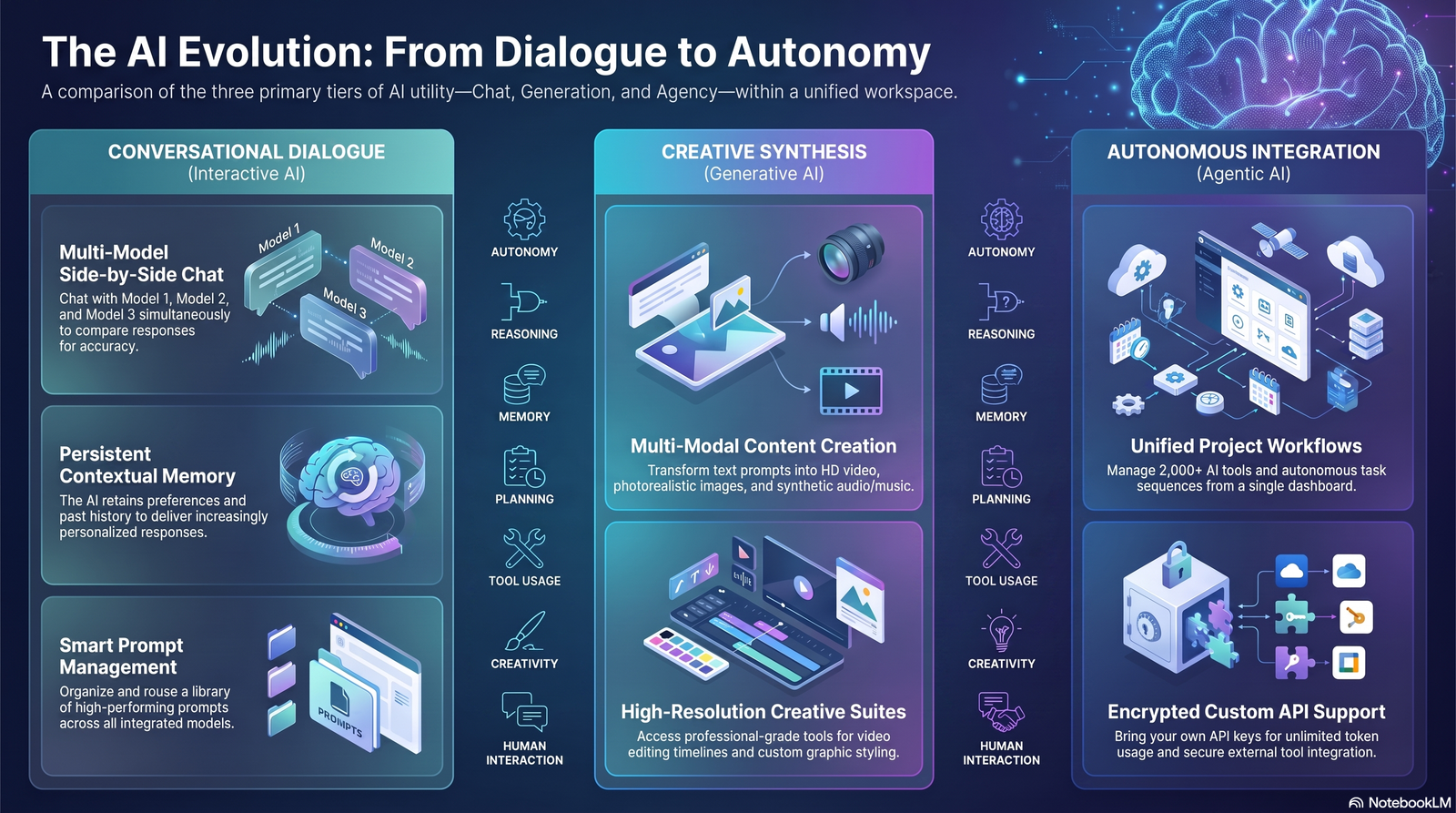
These three terms get used loosely, but they describe different layers of the same stack, and the distinction genuinely matters for buyers in 2026.
- Conversational AI is the interface layer — it understands what you said and manages the dialogue.
- Generative AI is what produces the actual wording of the response, using models like GPT or Claude.
- Agentic AI is the execution layer — it doesn’t just reply, it takes action: updating a CRM record, issuing a refund, rebooking a flight.
A useful way to think about it: conversational AI speaks, generative AI writes what it says, and agentic AI does what was agreed to. Most modern platforms now blend all three — a conversational front end that uses a generative model for phrasing, wired into agentic workflows that can actually resolve a request rather than just describing how to resolve it.
This is also where the category is heading. Industry analysts increasingly argue that the “conversational” label will become just one feature of broader AI agents rather than a product category on its own.
Real-World Examples by Industry
| Industry | Example Use Case |
|---|---|
| Customer support | Deflecting routine tickets, order tracking, returns |
| Healthcare | Appointment scheduling, symptom triage, medication reminders |
| Education | Tutoring assistants, admissions Q&A, homework help |
| Finance | Balance checks, fraud alerts, budgeting guidance |
| Retail / e-commerce | Product recommendations, cart recovery, order status |
| Travel | Booking changes, itinerary questions, real-time updates |
| Banking | Card activation, dispute filing, spending insights |
| HR | Onboarding FAQs, leave requests, policy lookups |
| Marketing | Lead qualification, campaign Q&A, personalized offers |
| SaaS | In-app support, onboarding walkthroughs, upgrade prompts |
Retail and e-commerce are currently the largest adopters by revenue share, driven largely by the rise of AI-assisted shopping — recent research suggests a majority of U.S. consumers now use tools like ChatGPT or Gemini at some point during a shopping journey.
Benefits of Conversational Chat
- 24/7 availability without added staffing cost.
- Faster resolution — AI agents can deflect a large share of routine queries, with retail and travel reporting deflection rates above 50% in some deployments.
- Cost efficiency — Gartner has estimated conversational AI could save contact centers roughly $80 billion in agent labor costs by 2026.
- Consistent quality — no bad-day variance in tone or accuracy.
- Scalability — handles demand spikes without hiring surges.
- Data and insight generation — conversation logs reveal recurring customer pain points.
- Multilingual support — modern models handle dozens of languages without separate builds.
Limitations of Conversational Chat
No honest guide skips this section.
- Hallucinations — LLM-based systems can state incorrect information confidently. Grounding responses in a verified knowledge base (retrieval-augmented generation) reduces but doesn’t eliminate this.
- Privacy and compliance — conversations often include personal or financial data, which raises GDPR, HIPAA, or PCI obligations depending on the industry.
- Bias — models trained on real-world data can inherit real-world biases; ongoing testing is necessary.
- Training and integration cost — connecting a conversational layer to internal systems (CRM, order management, ticketing) takes real engineering time.
- Latency — complex reasoning or multi-tool calls can slow response times if not engineered carefully.
- Security — chat interfaces are a new attack surface (prompt injection, data exfiltration attempts) and need the same scrutiny as any other customer-facing system.
Best Conversational Chat Platforms in 2026
| Platform | Best For | Notable Strength |
|---|---|---|
| ChatGPT (OpenAI) | General-purpose assistant, developer tools | Broad ecosystem, plugin/tool support |
| Claude (Anthropic) | Careful reasoning, long documents, coding | Strong context handling, safety-focused design |
| Gemini (Google) | Google Workspace integration | Multimodal input, search grounding |
| Microsoft Copilot | Enterprise Microsoft 365 users | Deep Office and Teams integration |
| Intercom | Customer support teams | Native helpdesk + AI resolution bot |
| Drift | B2B sales and marketing | Conversational lead qualification |
| Zendesk AI | Support-heavy organizations | Ticketing + AI in one platform |
| Salesforce Einstein | Salesforce-native businesses | CRM-embedded automation |
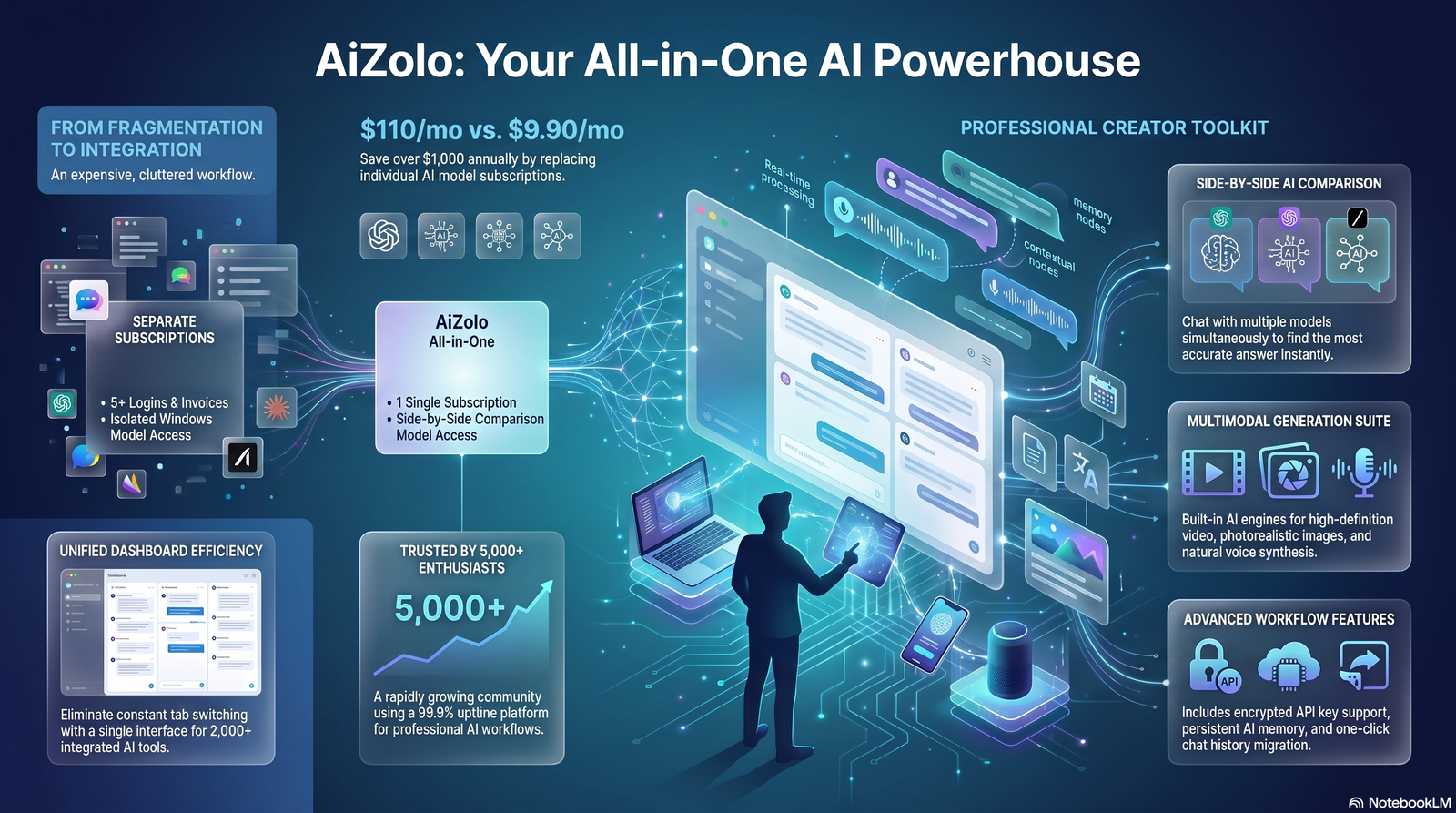
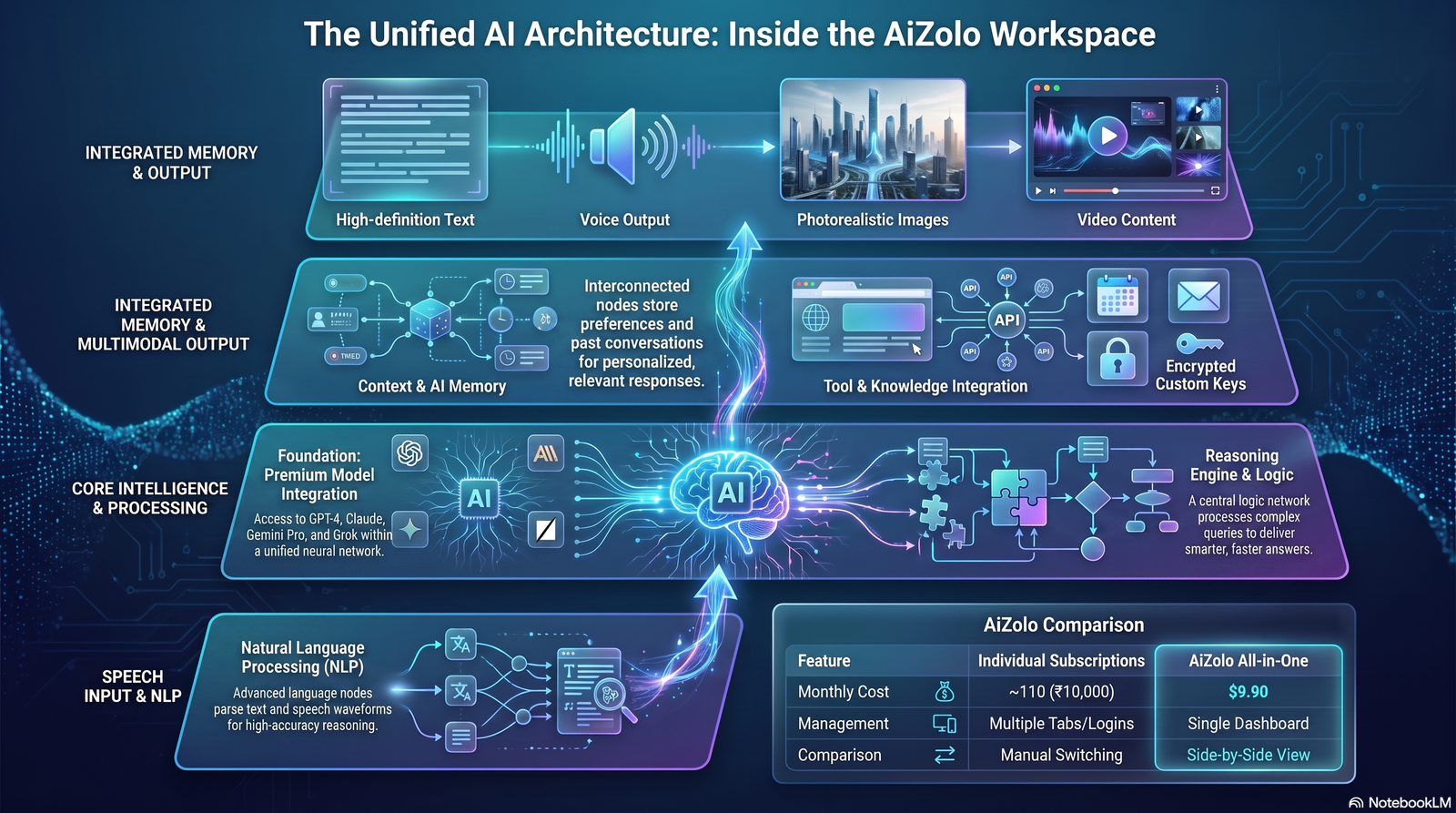
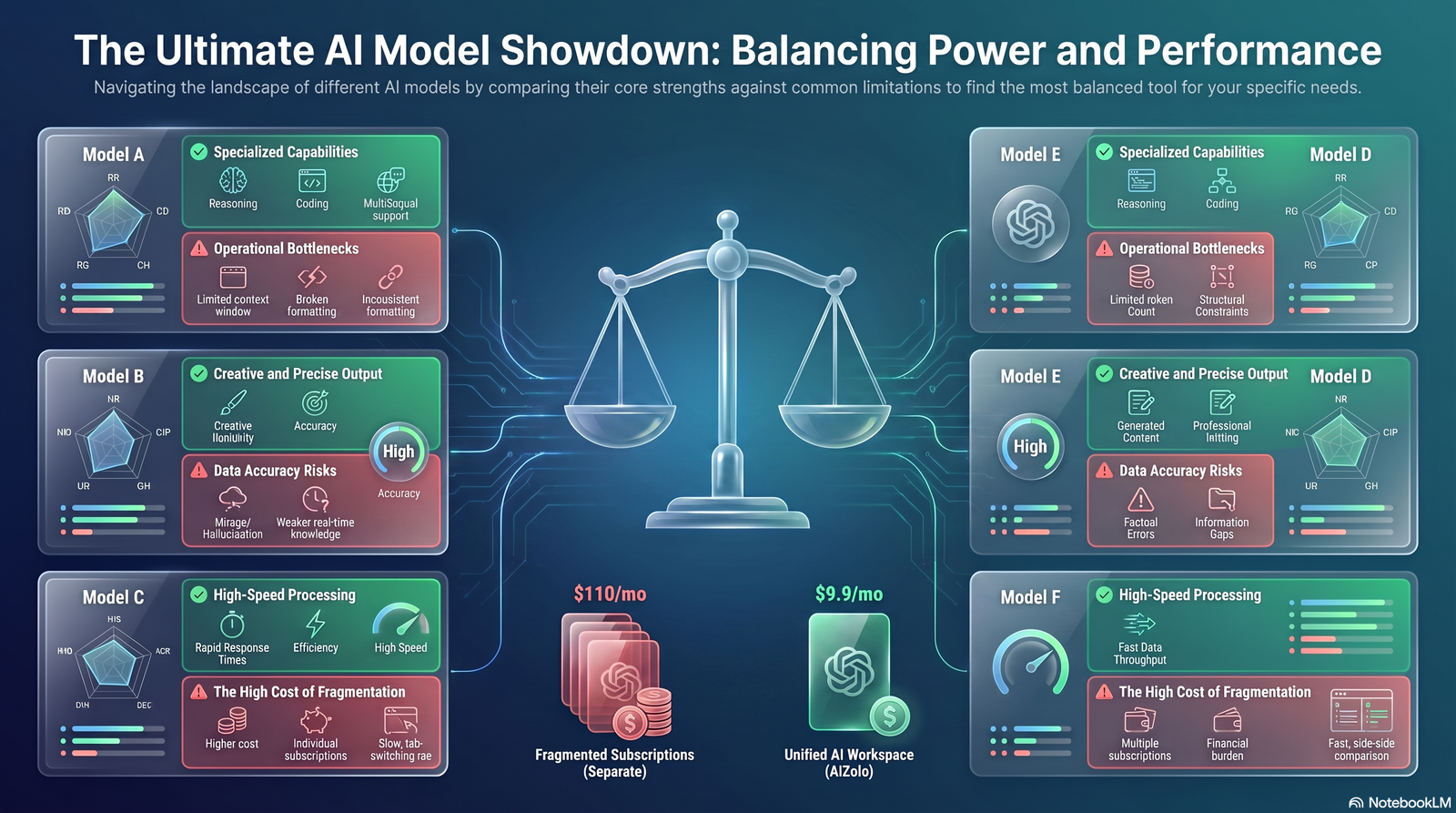
| Aizolo | Teams comparing multiple AI models | One subscription to access multiple AI models instead of paying for each separately |
Once you understand the concept, the harder part is usually picking a platform — our complete guide to conversational AI apps in 2026 breaks down pricing, voice support, and use-case fit across the major players.
If you’re evaluating more than one of these, it’s often worth reading a broader compare AI models breakdown before committing to a single vendor, since pricing and strengths shift often.
How Businesses Can Implement Conversational Chat
- Define the use case — support deflection, lead qualification, internal tooling, etc. Don’t try to solve everything at once.
- Audit your data — a conversational layer is only as good as the knowledge base or systems it’s connected to.
- Choose an architecture — off-the-shelf platform, API-based build on an LLM, or a hybrid.
- Design for handoff — decide clearly when and how the system escalates to a human.
- Integrate systems — connect the chat layer to your CRM, helpdesk, or order database via API.
- Test with real conversations — not just happy-path scripts; test edge cases and adversarial inputs.
- Launch narrow, then expand — start with one channel or one use case, measure, then scale.
- Monitor and retrain — review transcripts regularly and correct recurring failure patterns.
If cost comparison across models is part of your decision, a resource like AI pricing comparison can help you avoid overpaying for capability you don’t need.
Best Practices Checklist
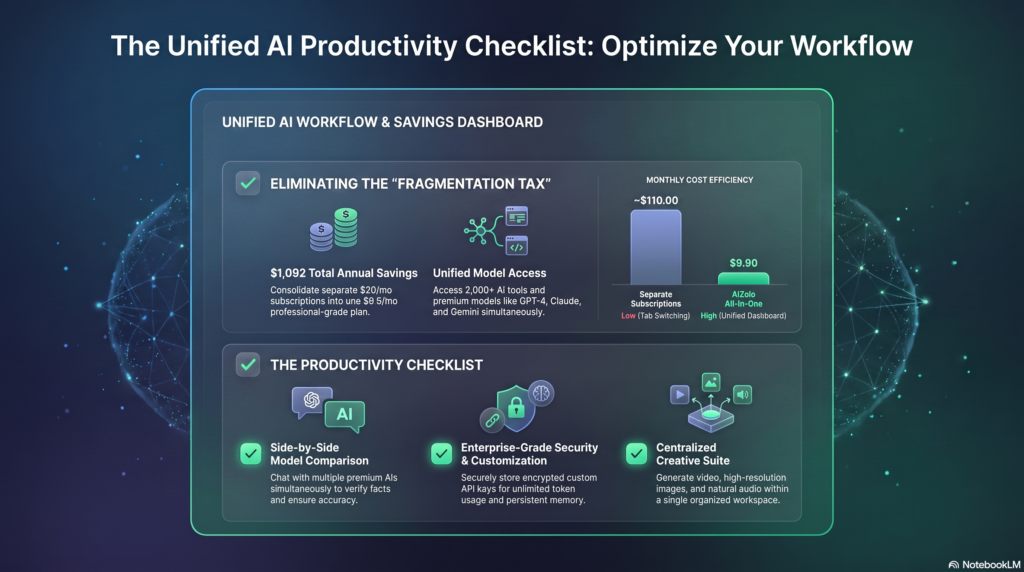
- Ground responses in a verified knowledge base rather than relying on the model’s general knowledge alone.
- Set clear, visible handoff points to a human agent.
- Log and review a sample of real conversations weekly, not just error reports.
- Be transparent that users are talking to an AI system.
- Test across accents, languages, and edge-case phrasing before launch.
- Set guardrails for topics the system should never answer (medical, legal, financial advice) without disclaimers.
Common Mistakes to Avoid
- Launching without a human escalation path.
- Treating a rule-based chatbot as if it were a full conversational AI system.
- Ignoring conversation logs after launch.
- Over-promising what the system can do in its own greeting message.
- Skipping security review of the chat interface.
- Failing to update the knowledge base as products or policies change.
The Future of Conversational Chat
A few trends are shaping where this goes past 2026:
- AI agents — the line between “conversational” and “agentic” is blurring; systems increasingly act, not just answer.
- Voice AI — natural, low-latency voice interfaces are closing the gap with text-based chat.
- Multimodal AI — combining text, voice, and image understanding in a single conversation.
- Real-time reasoning — models increasingly show their work and pull live data mid-conversation.
- Enterprise-grade governance — as adoption grows, so does scrutiny of accuracy, security, and compliance.
Analysts increasingly frame conversational AI as a distribution layer, not just a support tool — a growing share of product discovery is starting inside chat interfaces like ChatGPT, Gemini, and Copilot rather than on a traditional search results page.
Conversational Chat vs. AI Agents: The Part Most Guides Skip
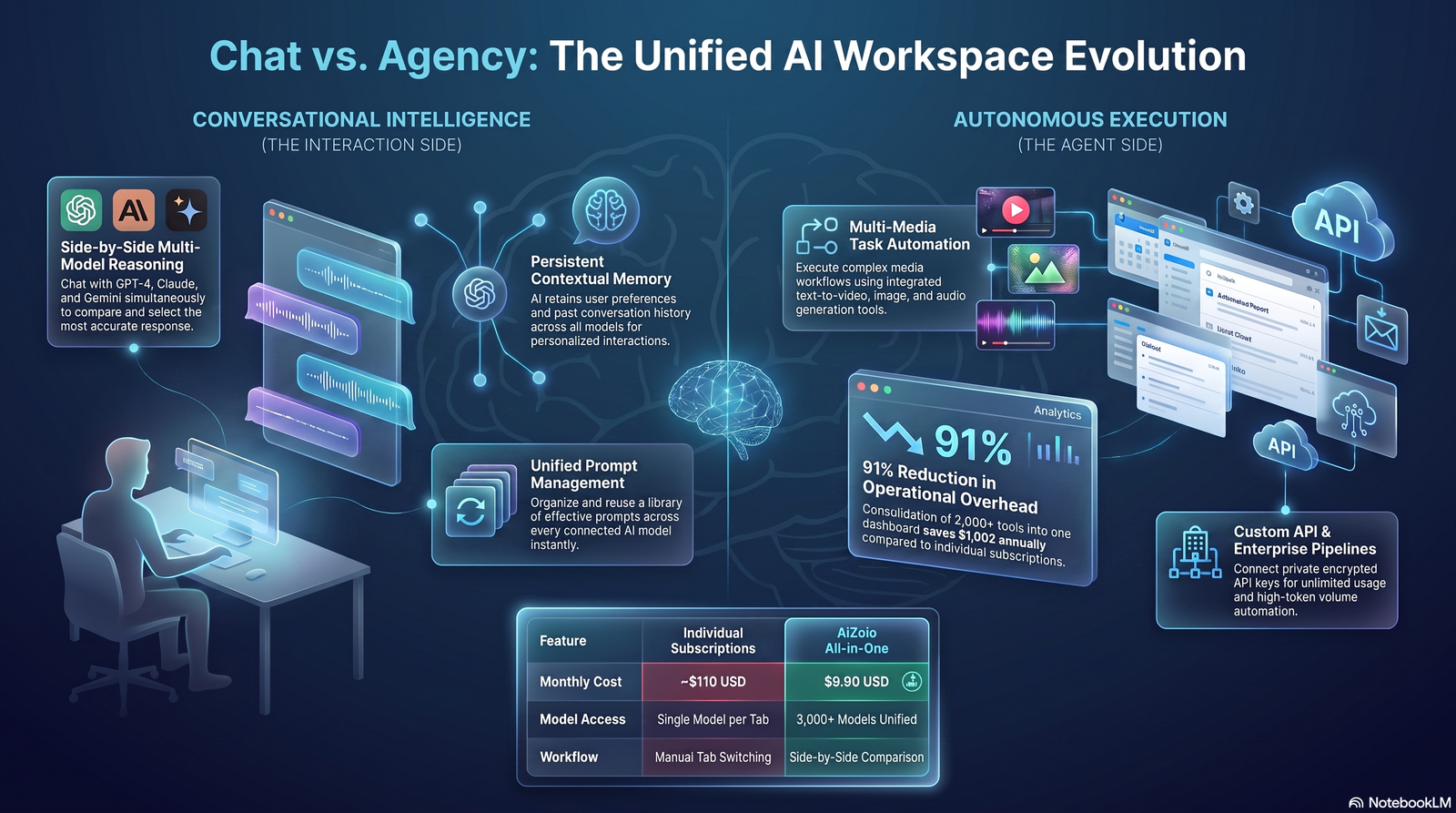
Worth spelling out directly, since it’s the distinction that actually affects buying decisions: a conversational chat can tell a customer their refund is approved. An AI agent processes the refund. The first is a communication layer; the second is an execution layer.
For most businesses, the practical answer isn’t “pick one.” It’s pairing a strong conversational front end with governed, limited-scope actions behind it — starting with low-risk actions (order lookups) before granting write access to sensitive systems (refunds, account changes).
Data Privacy Considerations
Any conversational system that touches customer data should be evaluated against a short checklist:
- Where is conversation data stored, and for how long?
- Is data used to train the underlying model, and can that be opted out of?
- Does the vendor support data residency requirements relevant to your industry?
- Is personally identifiable information redacted before logs are reviewed by staff?
- Does the system meet the specific regulatory bar for your sector (HIPAA for healthcare, PCI DSS for payments, GDPR for EU users)?
Frequently Asked Questions
What is a conversational chat, in simple terms? It’s a chat that understands what you mean and responds naturally, rather than matching your message to a fixed script.
Is ChatGPT a conversational chat? Yes — it’s one of the most widely used examples of conversational AI, built on a large language model.
What’s the difference between conversational AI and a chatbot? A chatbot can be rule-based and scripted; conversational AI understands intent and context, and a chatbot can be built using conversational AI or without it.
Do conversational chats replace human support agents? Usually not entirely — most deployments deflect routine queries and route complex or sensitive issues to a human.
What industries use conversational chat the most? Retail, customer support, banking, healthcare, and travel currently lead adoption.
Is conversational AI the same as generative AI? No — see our full breakdown of how the two layers differ (and where agentic AI fits in) in Conversational Chat vs. Generative AI vs. Agentic AI above.
What is an AI agent, and how is it different? An AI agent can take action — updating records, completing transactions — rather than just replying with information.
How much does it cost to implement conversational chat? It varies widely, from low-cost off-the-shelf chatbot platforms to significant engineering investment for custom, deeply integrated systems.
What are the biggest risks of using conversational AI? Hallucinated answers, data privacy exposure, and over-reliance without a human fallback path.
Can conversational chat handle multiple languages? Most modern LLM-based systems support dozens of languages without a separate build per language.
What’s the ROI of conversational chat? Reported returns vary by deployment, but industry research has cited returns in the range of a few dollars back for every dollar spent on AI-driven customer service, largely from reduced support costs and faster resolution.
Is conversational AI secure? It can be, but it introduces a new attack surface (like prompt injection) that needs the same security review as any other customer-facing system.
What’s the difference between NLP and conversational AI? NLP is one of the underlying technologies; conversational AI is the broader system that uses NLP, alongside NLU, NLG, and often an LLM, to hold a full conversation.
Do I need a developer to set up conversational chat? For basic platforms, no. For deep integrations with internal systems, yes.
What’s the best conversational AI platform for small businesses? It depends on the use case — general assistants like ChatGPT or Claude work well for many needs, while support-specific platforms like Intercom or Zendesk AI suit dedicated customer service teams.
Conclusion
A conversational chat isn’t just a chatbot with better manners — it’s software that actually understands what you’re asking and responds the way a person would, using NLP, NLU, NLG, and increasingly large language models. The line between conversational AI and full AI agents is fading fast, and by 2026 most serious platforms combine both: natural conversation up front, real action behind it.
If you’re comparing platforms rather than building from scratch, it’s worth looking at one subscription for all AI models so you’re not paying separately for every model you want to test.
Author Bio
Jeevesh Tripathi — AI Researcher & SEO Content Strategist, Aizolo Jeevesh writes about conversational AI platforms, large language models, and how businesses evaluate and choose AI tools, drawing on hands-on testing of leading conversational AI products at Aizolo. Contact: jeevesh@aizolo.com