
Introduction
If you publish more than a few posts a month, you already know the bottleneck isn’t ideas — it’s execution. Writing drafts, formatting, and manually linking every new post to older ones eats hours you don’t have.
That’s why so many teams now automate blog writing with AI and internal links as a single connected workflow instead of two separate jobs. Done well, it can cut publishing time significantly while keeping your site’s link structure clean and crawlable.
Done poorly, it creates thin content, broken anchor text, and the kind of “scaled content abuse” Google has explicitly warned against. Using an all in one AI platform with proper human oversight helps automate blog writing while maintaining quality, relevant internal links, and SEO best practices.
This guide walks through what actually works in 2026: the tools, the workflow, the mistakes, and the internal linking logic search engines reward. You’ll leave with a repeatable process, not just a list of software.
Table of Contents
Why AI Blog Writing Is Changing SEO
AI writing tools didn’t just speed up drafting — they changed how content teams think about scale. A single writer can now realistically manage a content calendar that once required three or four people.
But Google has been clear: the method of creation isn’t the ranking factor — helpfulness is. Content generated primarily to manipulate rankings, regardless of whether it’s written by a human or a machine, falls under scaled content abuse guidance. The teams winning with AI blog writing in 2026 treat AI as a drafting accelerator, not a publishing shortcut.
This shift also changed internal linking. When you publish faster, your link graph gets stale faster too. New posts often launch as “orphan pages” with zero internal links pointing to them, which slows indexing and dilutes topical authority. Automating the writing without automating the linking only solves half the problem.
What “Automate Blog Writing With AI and Internal Links” Actually Means
In practice, this phrase covers three connected systems working together:
- AI drafting — generating outlines, first drafts, or full articles from a brief
- Internal linking automation — software that scans your content library and suggests or inserts contextual links
- Human review — an editor validating facts, tone, and link relevance before publishing
None of these three works well alone. AI drafting without review risks factual errors. Internal linking automation without human judgment risks irrelevant or spammy anchor text. This is the combination that actually moves rankings.
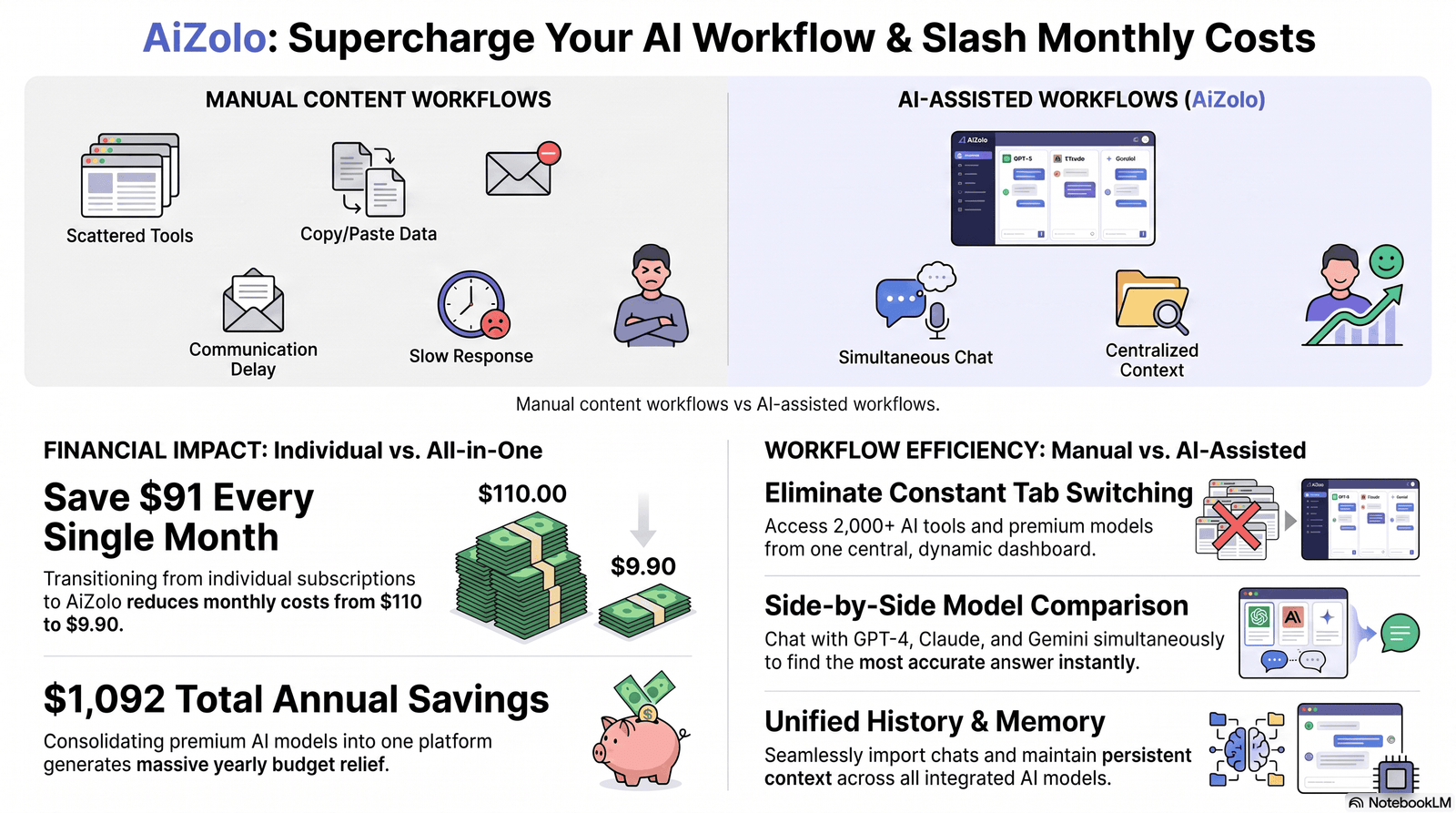
Manual vs. AI-Assisted Workflows
| Task | Manual Workflow | AI-Assisted Workflow |
|---|---|---|
| Outline creation | 30–45 minutes | 3–5 minutes |
| First draft | 2–4 hours | 20–40 minutes |
| Fact-checking | Included in draft time | Separate, mandatory step |
| Internal link research | 20–30 minutes per post | 2–5 minutes with tooling |
| Anchor text selection | Manual judgment | AI-suggested, human-approved |
| Publishing cadence | 4–8 posts/month | 15–30 posts/month (with review) |
| Risk of thin content | Low if writer is skilled | Moderate without editing step |
The time savings are real, but the table also shows why fact-checking and human approval can’t be skipped — they’re what separates automation from scaled abuse.
How AI Tools Generate Internal Links
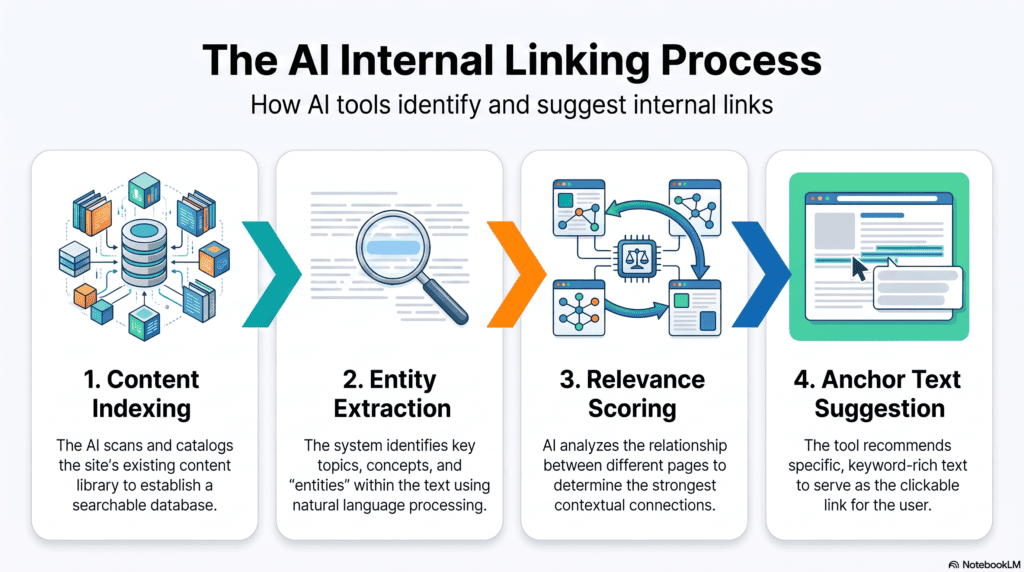
Most internal linking tools follow a similar technical approach, even if the interface looks different:
- Content indexing — the tool crawls your existing posts and builds a semantic map of topics
- Entity and keyword extraction — it identifies key phrases and entities in the new draft
- Relevance scoring — it matches new content to existing pages based on topical similarity, not just keyword overlap
- Anchor text suggestion — it proposes natural-sounding anchor phrases rather than exact-match keywords
- Placement recommendation — it suggests where in the draft a link fits contextually
The best tools, including ChatGPT, stop at making suggestions rather than changing your content automatically. The riskiest ones auto-insert links at publish time with no review, which is where anchor text mistakes and irrelevant linking tend to creep in. Human review remains essential to ensure every internal link is accurate, relevant, and SEO-friendly.
How Google Evaluates Internal Links (and AI Content)
Internal links help Google understand site structure and pass relevance signals between pages. According to Google Search Central’s documentation on link best practices, useful links are those a user would genuinely want to click, placed within relevant context, using descriptive text.
Google’s guidance on AI-generated content is method-neutral: content created to be helpful and original can rank regardless of how it was produced. But content created primarily to manipulate search rankings — including link schemes and content generated at scale without adding value — falls under Google’s spam policies, specifically the scaled content abuse and site reputation abuse guidance.
For internal linking specifically, this means:
- Links should be contextually relevant, not inserted purely for SEO weight
- Anchor text should describe the destination page naturally
- Automated link insertion at massive scale, without editorial oversight, is a risk factor — not a shortcut
Common Mistakes Teams Make When Automating
- Auto-publishing without review — skipping the human step is the single biggest cause of quality drops
- Exact-match anchor text overuse — repeating the same keyword-heavy anchor across dozens of posts looks manipulative
- Linking to irrelevant pages — chasing link count instead of relevance
- Ignoring orphan pages — new posts published with zero internal links pointing to them
- No content decay monitoring — old posts losing rankings while new links only point one direction (new to old, never old to new)
- Treating AI drafts as final copy — publishing without fact-checking or brand voice edits
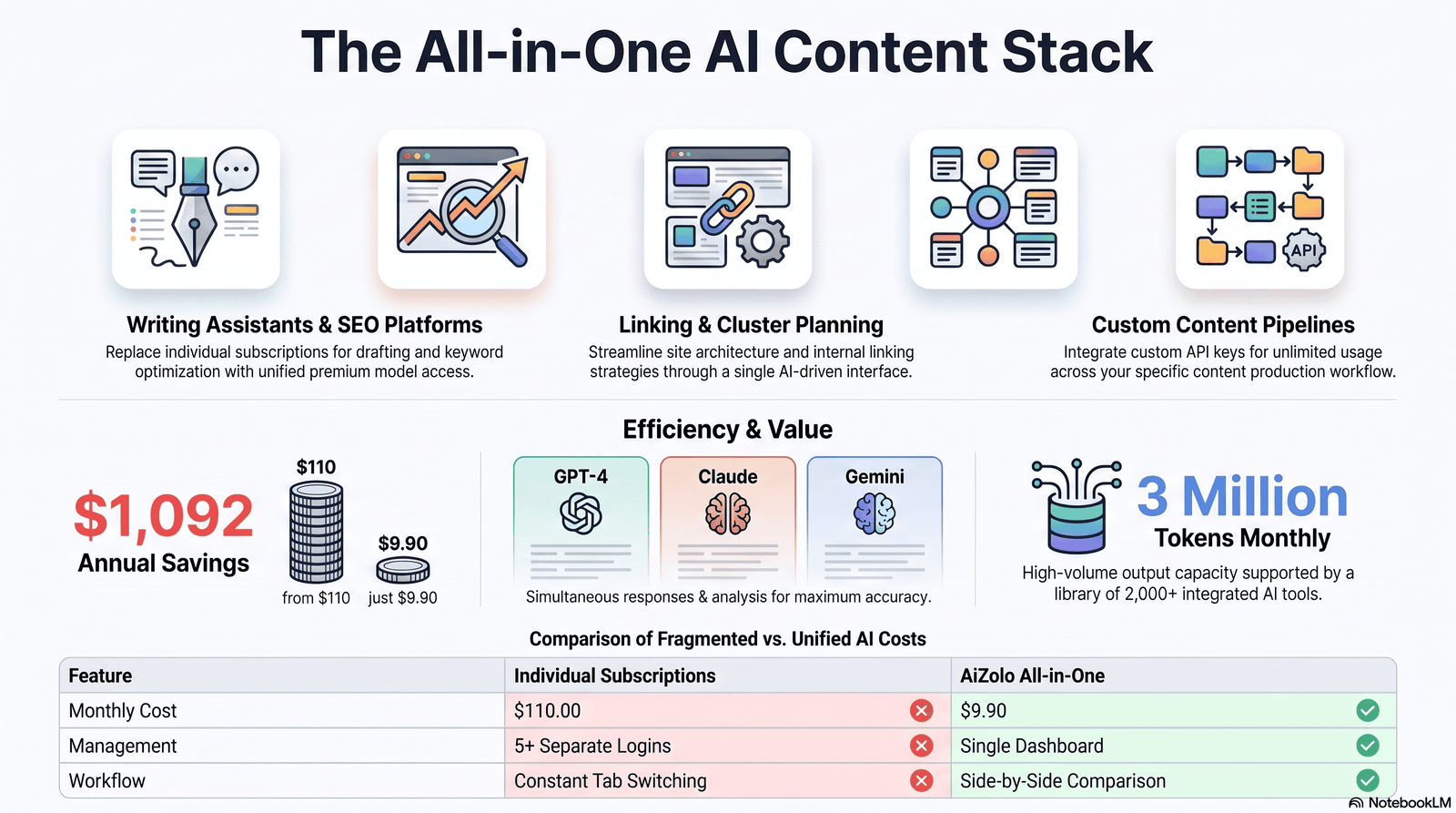
Best AI Tools for Blog Writing and Internal Linking
| Tool Type | Example Category | Best For | Internal Linking Support | Learning Curve |
|---|---|---|---|---|
| AI writing assistant | General drafting tools | Outlines, first drafts | Limited/manual | Low |
| AI SEO content platforms | End-to-end content suites | Briefs + drafts + optimization | Built-in suggestions | Medium |
| Internal linking plugins | CMS-native tools | Existing sites with large archives | Strong, automated | Low–Medium |
| Topic cluster planners | Content strategy tools | New content architecture | Structural, pre-publish | Medium–High |
| Custom AI workflows (API-based) | Developer-built pipelines | Agencies, large content teams | Fully customizable | High |
There’s no single “best” tool — the right stack depends on whether you’re building a new content architecture or retrofitting internal links into an existing archive of hundreds of posts.
Step-by-Step Workflow to Automate Blog Writing With AI and Internal Links
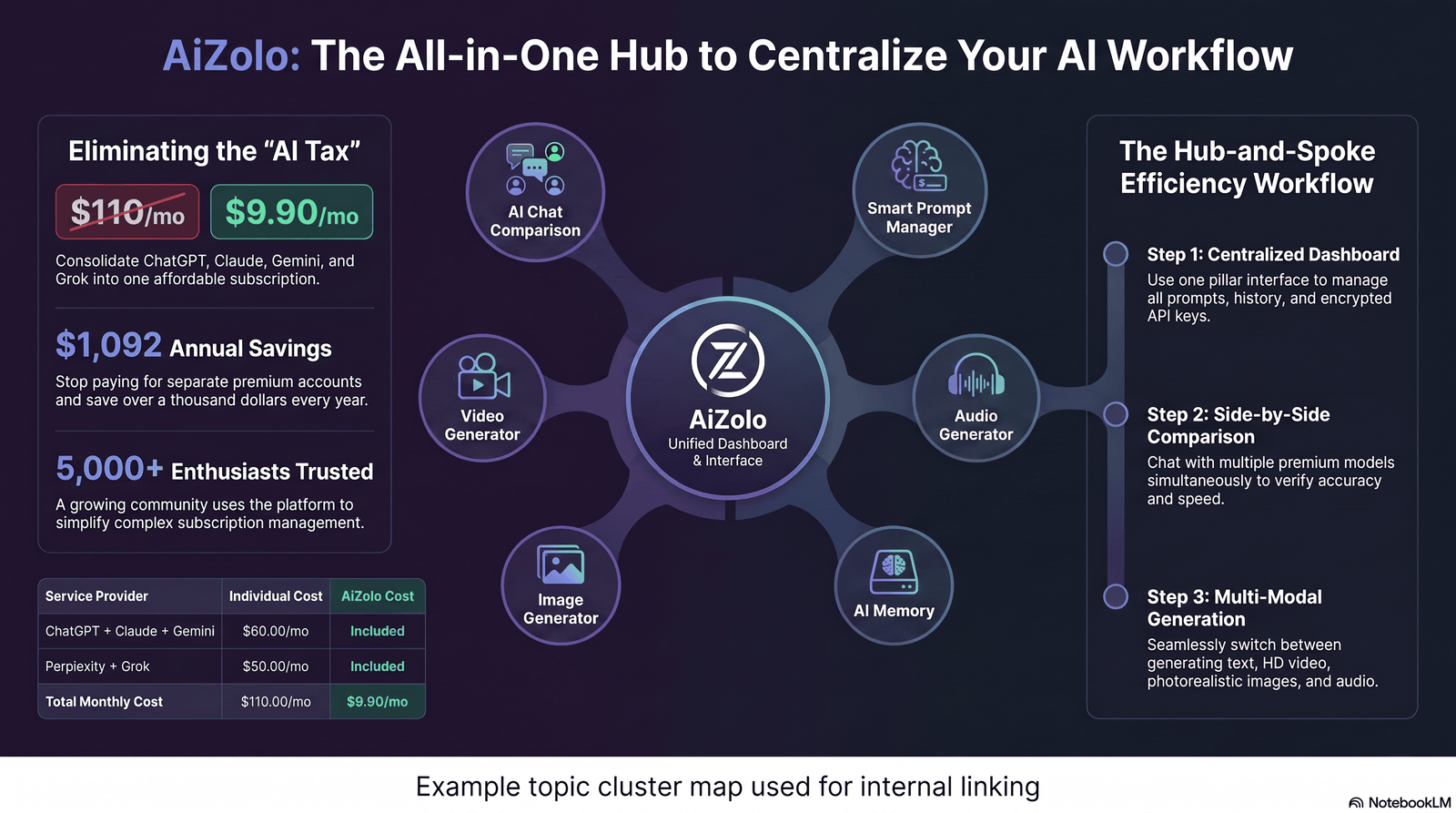
- Build a topic cluster map before writing anything — group existing and planned content by subtopic
- Generate briefs, not full articles, using AI — include target keyword, intent, and 3–5 related internal pages
- Draft with AI using the brief as a constraint, not a blank prompt
- Fact-check and edit for accuracy, tone, and brand voice
- Run internal linking automation to surface contextual link suggestions
- Manually approve every anchor text — reject anything that reads as forced or keyword-stuffed
- Add 2–4 outbound links to authoritative sources for EEAT
- Publish and log the new URL into your topic cluster map so future posts can link back to it
- Review link performance monthly and update older posts with links to new relevant content
Prompt Examples You Can Copy
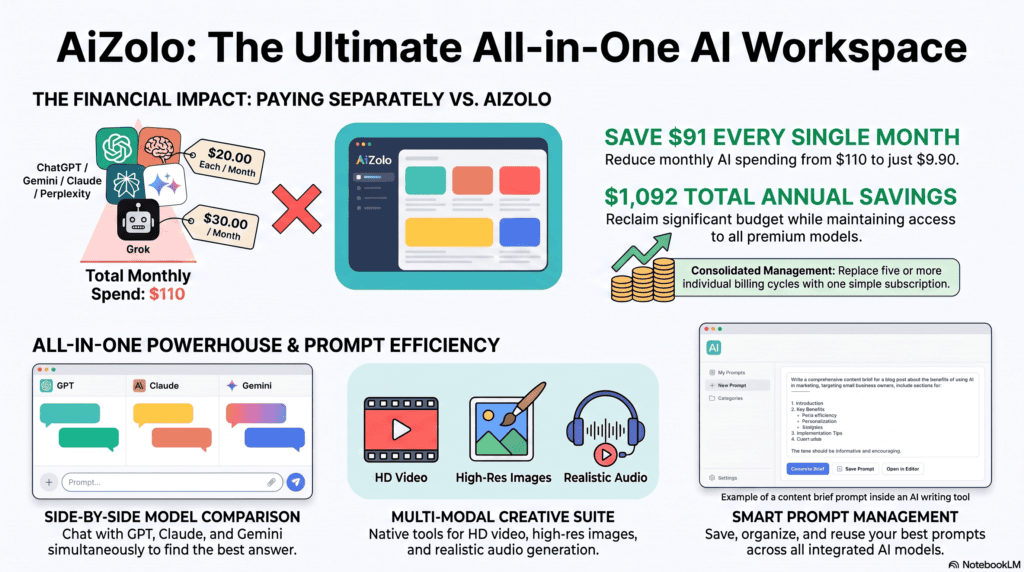
Brief generation prompt: “Create a content brief for a blog post targeting [keyword]. Include search intent, three subtopics competitors miss, and five internal linking opportunities from this list of existing URLs: [paste URLs].”
Internal linking prompt: “Review this draft and this list of existing blog posts. Suggest 5–8 internal links with natural anchor text and a one-sentence reason for each placement.”
Editing prompt: “Review this AI-generated draft for factual accuracy, repetitive phrasing, and keyword stuffing. Flag any claims that need a source.”
Real-World Use Cases
- SaaS companies use AI drafting plus internal linking automation to connect blog content to product and feature pages, supporting both SEO and conversion paths
- Agencies managing multiple client sites use topic cluster planners to standardize internal linking across accounts
- Affiliate marketers automate comparison and roundup content, then use internal linking to funnel traffic from informational posts to money pages
- Small businesses use lightweight AI writing assistants combined with CMS-native internal linking plugins to compete with larger competitors on a limited budget
Mini Case Study: A 90-Day Automation Rollout
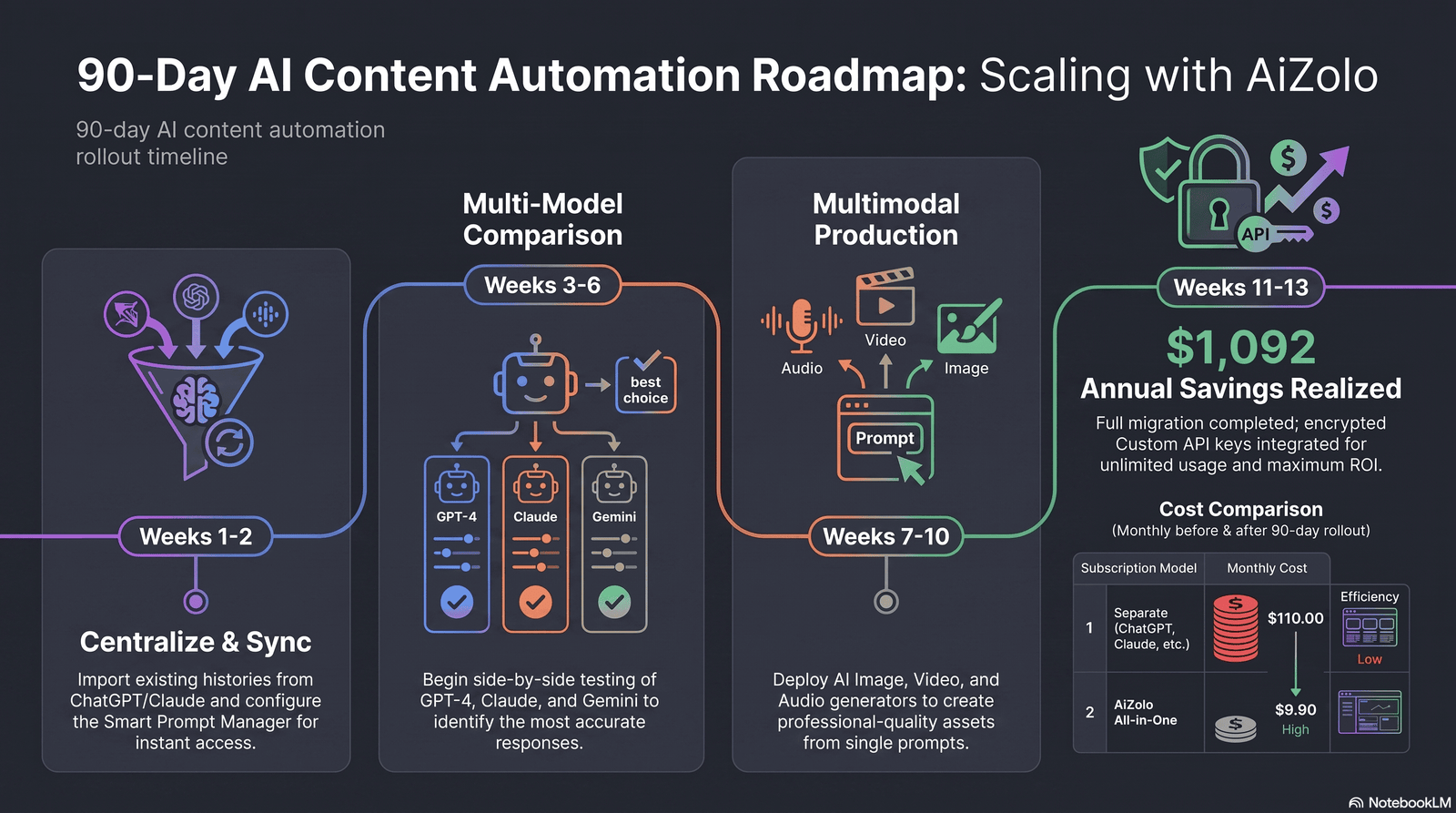
A mid-sized content team with roughly 300 existing blog posts wanted to increase output without hiring additional writers. Their approach:
- Weeks 1–2: Built a topic cluster map of all existing content
- Weeks 3–6: Introduced AI-assisted briefs and drafting, kept human editing mandatory
- Weeks 7–10: Rolled out internal linking automation for new posts only
- Weeks 11–13: Retroactively added internal links from top-performing old posts to new content
The result was a meaningful increase in publishing cadence and a reduction in orphan pages, achieved without skipping the editorial review step — reinforcing that the human layer is what made scaling sustainable rather than risky.
Hidden Limitations and Hallucination Risks
AI models can generate confident-sounding but inaccurate statements, especially around statistics, dates, and named sources. This is a well-documented limitation across large language models, not a flaw unique to any one tool.
For internal linking specifically, AI tools can also “hallucinate” relevance — suggesting a link between two pages that share vocabulary but not actual topical connection. This is why every AI-suggested link needs a human relevance check before publishing, not just a factual check on the article text.
Internal Linking Prioritization Framework
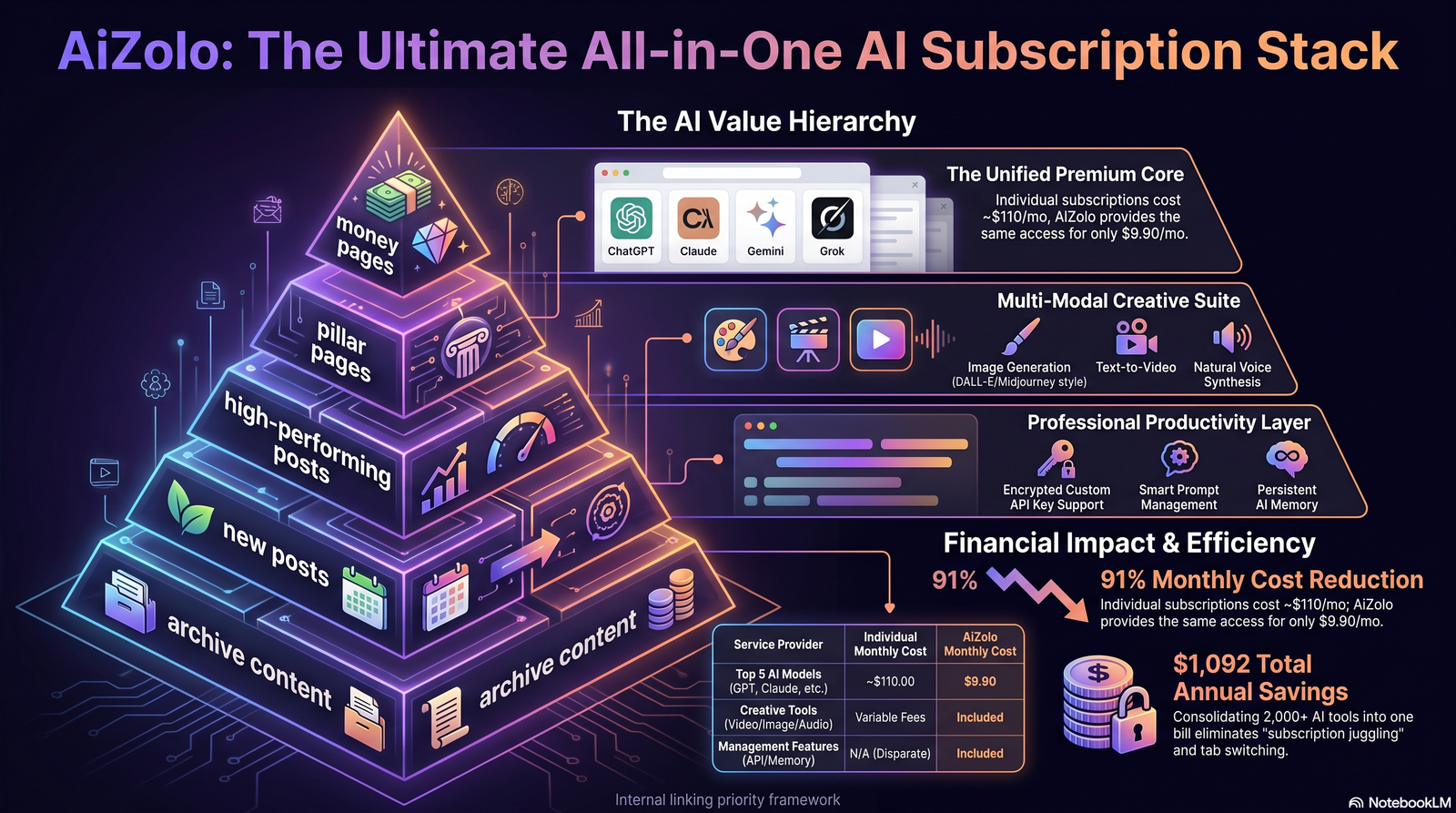
Not every page deserves the same number of internal links. Use this simple priority order:
- Money pages (product, service, pricing) — should receive links from multiple relevant blog posts
- Pillar/cluster hub pages — should link out to all related subtopic posts and receive links back
- High-performing older posts — should be linked from new related content to keep them fresh in Google’s eyes
- New posts — should receive at least 2–3 internal links immediately at publish to avoid becoming orphan pages
- Low-priority archive content — link opportunistically, not forcibly
Best Practices and Expert Tips
- Keep AI-generated anchor text varied — mix branded, descriptive, and partial-match phrasing
- Review internal links quarterly; content decay changes which pages deserve priority linking
- Don’t let AI decide entity coverage alone — verify against your own product and expertise knowledge
- Treat AI as a first-draft partner, not a final-copy generator
- Document your workflow so quality stays consistent as your team scales
Future Trends in AI Content Automation
Content teams are increasingly combining AI drafting with real-time internal linking suggestions inside the CMS itself, rather than as a separate post-publish step. Expect tighter integration between topic cluster planning tools and AI writing assistants, along with more emphasis on entity-based SEO as search engines lean further into semantic understanding rather than exact keyword matching.
Conclusion
Teams that automate blog writing with AI and internal links successfully aren’t the ones publishing the most — they’re the ones who kept a human editorial layer in the loop while automating the repetitive parts: outlining, drafting, and surfacing link opportunities.
Start small: build your topic cluster map, automate briefs before full drafts, and treat every AI-suggested internal link as a suggestion, not a final decision. That single habit will keep your content scalable and compliant as your library grows.
Next step: Audit your last 10 published posts for orphan pages and missing internal links before adding any new automation to your workflow.
Additional Tables
Automation Checklist
| Step | Automated? | Requires Human Review? |
|---|---|---|
| Topic research | Partially | Yes |
| Brief creation | Yes | Yes |
| First draft | Yes | Yes |
| Fact-checking | No | Yes (mandatory) |
| Internal link suggestions | Yes | Yes (mandatory) |
| Anchor text approval | No | Yes (mandatory) |
| Publishing | Optional | Recommended |
| Performance monitoring | Partially | Yes |
SEO Impact Overview
| Factor | Impact of Automation Done Well | Risk if Done Poorly |
|---|---|---|
| Crawl efficiency | Improved via fewer orphan pages | Wasted crawl budget on thin pages |
| Topical authority | Strengthened through cluster linking | Diluted by irrelevant links |
| Ranking stability | More consistent with editorial review | Volatile if flagged for spam |
| User experience | Improved navigation | Confusing, forced link paths |
Time Savings Estimate
| Activity | Hours Saved Per Post | Hours Saved Per Month (20 posts) |
|---|---|---|
| Drafting | 1.5–3 hours | 30–60 hours |
| Internal link research | 0.25–0.4 hours | 5–8 hours |
| Total estimated savings | 1.75–3.4 hours | 35–68 hours |
FAQs
Can I fully automate blog writing without a human editor?
Technically yes, but it increases the risk of factual errors and thin content. A human review step is strongly recommended for accuracy and compliance.
Does Google penalize AI-generated blog content?
No — Google’s guidance focuses on helpfulness and originality, not the method of creation. Content made primarily to manipulate rankings is the actual risk factor.
How many internal links should a blog post have?
There’s no fixed number; focus on relevance. Most posts benefit from 3–8 contextual internal links rather than a hard quota.
What’s the difference between internal linking automation and internal link building?
Internal linking automation typically means software suggesting or inserting links within your own site; link building usually refers to acquiring external backlinks.
Can AI tools choose bad anchor text?
Yes. AI-suggested anchor text should always be reviewed for natural phrasing and relevance before publishing.
What is an orphan page in SEO?
A page with no internal links pointing to it, making it harder for search engines and users to discover.
How often should I update internal links on old posts?
A quarterly review is a reasonable starting cadence for most content libraries.
Do internal links pass ranking authority like backlinks do?
They help distribute relevance and crawl signals across your site, supporting topical authority, though they work differently from external backlink authority.
What is scaled content abuse?
A Google spam policy category covering content, including AI-generated content, produced primarily to manipulate search rankings rather than help users.
Should every new blog post automatically get internal links at publish?
Yes — new posts should receive internal links immediately to avoid becoming orphan pages, ideally as part of the publishing checklist.
What tools support both AI writing and internal linking?
Some AI SEO content platforms combine drafting and link suggestions, though many teams still pair a writing assistant with a separate linking plugin.
Is keyword-matched anchor text bad for SEO?
Overusing exact-match anchor text across many pages can look manipulative; varied, natural phrasing is safer.
How do I prioritize which pages get the most internal links?
Use a framework: money pages and pillar content first, followed by high-performing and new posts.
Can AI hallucinate irrelevant internal link suggestions?
Yes — AI can match vocabulary without true topical relevance, which is why human review of suggested links matters.
What’s a realistic publishing increase from automation?
Teams commonly report roughly doubling or tripling output when combining AI drafting with internal linking automation, provided editorial review stays in place.
Author Bio
Author: Jeevesh Tripathi Email: jeevesh@aizolo.com
Jeevesh Tripathi works at the intersection of AI content strategy and technical SEO, helping content teams and SaaS companies build scalable publishing workflows without sacrificing quality or search compliance.
His approach centers on combining AI drafting tools with structured internal linking systems, always anchored by editorial review rather than full automation.
He focuses on practical, documentation-backed guidance rather than trend-chasing tactics, drawing on hands-on experience building content workflows for growing teams.
When not writing about AI and SEO, he studies how search engines evaluate site structure and topical authority to help publishers make more informed, sustainable content decisions.
fantastic publish, very informative. I ponder why the other experts of this sector don’t notice this.
You must continue your writing. I’m sure, you have a huge readers’ base
already!