
Table of Contents
Introduction
Type a topic into an AI joke generator, hit enter, and you’ll usually get a decent one-liner in under two seconds. Sometimes it’s genuinely funny. Sometimes it falls flat and needs a second try.
That gap between “funny” and “flat” is what this guide is really about. Unlike the stale 2023 roundups that name-drop tools nobody uses anymore, Aizolo focuses on helping creators generate comedy that actually lands.
This one is different. It explains how these tools actually generate jokes, compares the ones worth your time, and gives you prompt formulas that measurably improve the punchline you get back.
By the end, you’ll know when an AI joke generator is the right tool, when it isn’t, and exactly how to prompt one so it stops giving you generic dad-joke filler.
What Is an AI Joke Generator?
An AI joke generator is a tool, built on a large language model, that turns a topic or prompt into a structured joke — usually a setup and a punchline. You type “coffee” or “Mondays,” pick a format, and the model returns a line built around wordplay, misdirection, or an unexpected twist.
Quick answer (featured snippet target): An AI joke generator is software powered by a language model that produces jokes on demand from a topic or prompt. It applies comedy patterns like setup-punchline structure, puns, and misdirection to generate one-liners, puns, dad jokes, or longer story jokes in seconds.
Unlike old-school joke generators, which pulled from a fixed database of pre-written jokes, modern AI versions generate original combinations every time. That’s the real shift worth understanding before you pick a tool.
Old Joke Generators vs. AI Joke Generators
| Feature | Old-School Joke Generator | AI Joke Generator |
|---|---|---|
| Content source | Fixed database of stored jokes | Generated fresh from a language model |
| Personalization | None — random pull from list | Responds to your exact topic and tone |
| Repetition | High — same jokes recycled | Lower, but not zero (see limitations) |
| Format flexibility | Usually one format | Multiple: puns, one-liners, dad jokes, roasts |
| Quality control | Manually curated | Depends on the model and your prompt |
How AI Joke Generators Actually Work
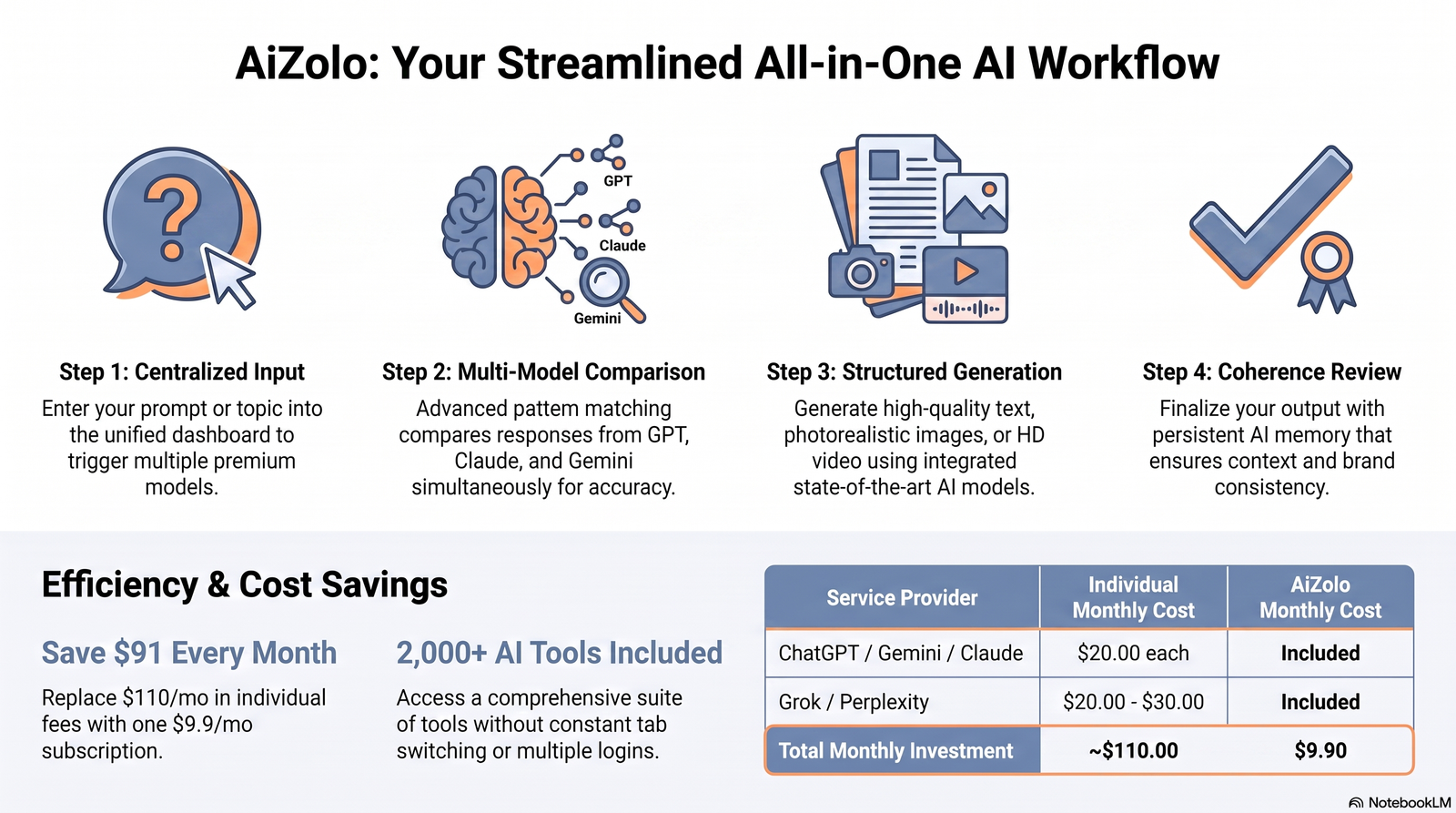
Here’s the part most competing articles skip entirely, and it’s the part that actually helps you get better output.
Step 1 — Pattern recognition. The underlying language model was trained on huge volumes of text that include jokes, comedy scripts, and forum humor. It learned the shape of a joke: a setup that builds an expectation, then a punchline that breaks it.
Step 2 — Topic mapping. When you type a topic like “cats,” the model searches its learned associations for concepts connected to cats — laziness, boxes, knocking things off tables — and picks one as the joke’s angle.
Step 3 — Structure generation. The model then builds a setup-punchline pair, a pun, or a knock-knock format depending on what you (or the tool’s interface) requested.
Step 4 — Coherence check. Better tools run a second pass to confirm the punchline actually connects to the setup logically, since language models can produce grammatically fine but nonsensical jokes.
This is why prompt specificity matters so much. A vague prompt gives the model too many directions to guess from, and it defaults to the safest, most generic joke pattern it knows.
Types of AI Joke Generators
Not every AI joke generator is built the same way. Understanding the categories helps you pick the right one for the moment.
General-purpose chatbots. Tools like ChatGPT, Claude, or Gemini can generate jokes as a side function of a broader assistant. They’re flexible but not tuned specifically for comedy.
Dedicated joke-generator web apps. Purpose-built sites focus only on jokes, usually offering format pickers (pun, dad joke, one-liner, knock-knock) and instant regeneration.
Niche format tools. Some tools specialize in one format only — a dad joke generator, a roast generator, or a speech-opener generator — trading breadth for depth in that one style.
API-based joke generators. Developers can call joke-generation endpoints directly to build humor into apps, chatbots, or games, rather than using a website interface.
Why People Use AI Joke Generators (Real Benefits)
Speed. Writing an original joke from scratch takes real comedic skill and time. An AI joke generator collapses that into seconds, which matters when you need content on a deadline.
Volume for iteration. Comedy writers often say the first version of a joke is rarely the funniest. Generating five or ten variations and picking the strongest is a legitimate, common workflow — even professional writers use this “quantity first” approach.
Low-stakes practice for beginners. If you’re new to comedy writing, seeing dozens of AI-generated setups and punchlines teaches you the mechanics faster than reading a textbook on joke structure.
Content and social media support. Marketers and creators use joke generators to draft caption ideas, then edit them into their own voice rather than publishing raw AI output verbatim.
Accessibility. Not everyone is naturally quick with wordplay under pressure — a best man giving a toast, a teacher writing a classroom icebreaker, or someone nervous before a work presentation. A generator provides a starting point when the pressure is real.
Real-World Use Cases
Social media captions. Creators use short AI-generated one-liners as caption starters, then tweak the wording to match their brand voice before posting.
Speeches and toasts. A best man, teacher, or presenter can generate several clean opener options, then pick the one that fits the room and the audience.
Classroom and family activities. Dad jokes and knock-knock formats work well for kids’ activities, icebreakers, and family group chats.
Content marketing. Newsletter writers and social media managers use joke generators to add a light moment inside otherwise informational content.
Product and app features. Some apps embed a joke-generator API to add a “fun fact” or “joke of the day” feature without hiring a comedy writer.
Best AI Joke Generators Compared
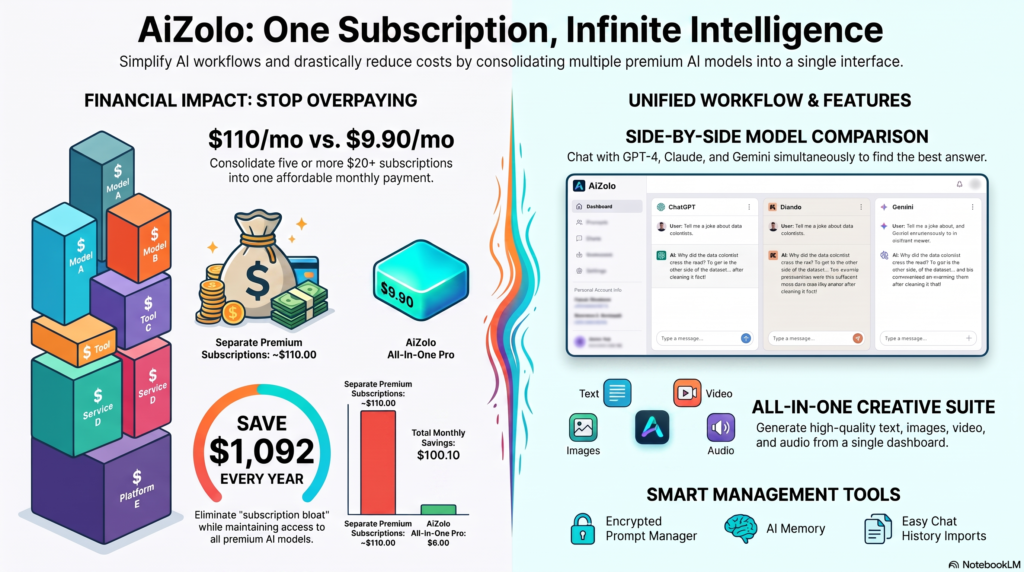
Below is a practical, non-sponsored comparison based on what each type of tool is actually good at. Treat “best” as “best for a specific job,” not a single universal winner — no tool wins every category.
| Tool Type | Best For | Format Range | Cost | Notes |
|---|---|---|---|---|
| ChatGPT | Flexible, conversational joke requests with follow-up refinement | Very broad | Free tier + paid plans | Strong at adjusting tone when you give feedback |
| Claude | Longer or more nuanced humor, explaining why a joke works | Very broad | Free tier + paid plans | Good for iterative editing and tone control |
| Gemini | Quick jokes tied to current topics or search-connected context | Broad | Free tier + paid plans | Useful when a joke needs a factual anchor |
| Dedicated joke-generator websites | Fast, no-login, single-purpose joke generation | Focused (one-liners, puns, dad jokes) | Usually free | Best UX for quick, repeated generation |
| Niche format tools (dad joke, roast, speech-opener) | A specific occasion or audience | Narrow by design | Usually free | Higher hit-rate within their one format |
Featured snippet answer: The best AI joke generator depends on the task. General chatbots like ChatGPT or Claude work best for flexible, editable humor, while dedicated joke-generator websites are faster for quick, repeated one-liners without needing an account.
Free vs Paid AI Joke Generators
Most people never need to pay for joke generation specifically. Here’s when free is enough, and when a paid plan actually helps.
| Factor | Free Tools | Paid Tools |
|---|---|---|
| Cost | $0 | Usually part of a broader AI subscription |
| Joke quality | Good for casual use | Slightly more consistent tone control |
| Usage limits | Sometimes capped per day | Higher or unlimited limits |
| Follow-up editing | Limited on single-purpose sites | Strong in chatbot-based tools |
| Best for | Quick captions, casual laughs | Repeated professional use, content workflows |
If you’re generating a joke for a birthday card, free tools are more than enough. If you’re a content creator generating dozens of jokes weekly and need consistent editing, a paid chatbot subscription earns its cost through time saved.
How to Choose the Right AI Joke Generator
Ask yourself three questions before picking a tool.
What’s the occasion? A speech needs clean, audience-safe humor. A meme caption can be edgier. Match the tool’s tuning to the setting.
Do you need to edit and refine, or just grab one line? Chatbots let you push back (“make it shorter,” “less corny”). Single-purpose generators usually just give you a fresh regeneration instead.
How much control do you want over tone? If you need a specific style — dry, silly, dark, wholesome — check whether the tool offers a tone selector or requires you to specify it in the prompt yourself.
How to Write Better Joke Prompts
This is the single highest-leverage skill for using any AI joke generator well. Most disappointing jokes come from vague prompts, not bad tools.
Name the topic specifically. “Coffee” is vague. “Being addicted to coffee before a 9am meeting” gives the model a concrete scenario to build around.
Specify the format. Tell it whether you want a one-liner, a pun, a dad joke, or a longer story joke — otherwise it guesses, usually toward the safest option.
Give it a tone. Dry, silly, sarcastic, wholesome, and dark are all different comedic registers. Naming one narrows the model’s choices meaningfully.
Mention the audience. A joke for coworkers, a classroom, or a group chat all call for different levels of edge. Say who’s hearing it.
Ask for multiple options. Request three to five variations in one prompt, then pick the strongest instead of accepting the first result.
Prompt Templates You Can Copy
Use these as starting points and swap in your own topic, tone, and audience.
Template 1 — General one-liner “Give me 3 one-liner jokes about [topic] with a [tone] tone, suitable for [audience].”
Template 2 — Pun-focused “Write 3 puns about [topic]. Keep them short enough for a social media caption.”
Template 3 — Speech or toast opener “Write a clean, short joke to open a [occasion] speech about [topic], appropriate for a mixed audience.”
Template 4 — Dad joke “Give me a corny dad joke about [topic] with a clear setup and punchline.”
Template 5 — Story joke “Write a short story joke (4-6 sentences) about [topic] that builds to an unexpected punchline.”
Template 6 — Roast (use carefully, know your audience) “Write a lighthearted, non-mean roast line about [topic/person’s habit], keep it playful, not cruel.”
Before-and-After Joke Examples (With Explanations)
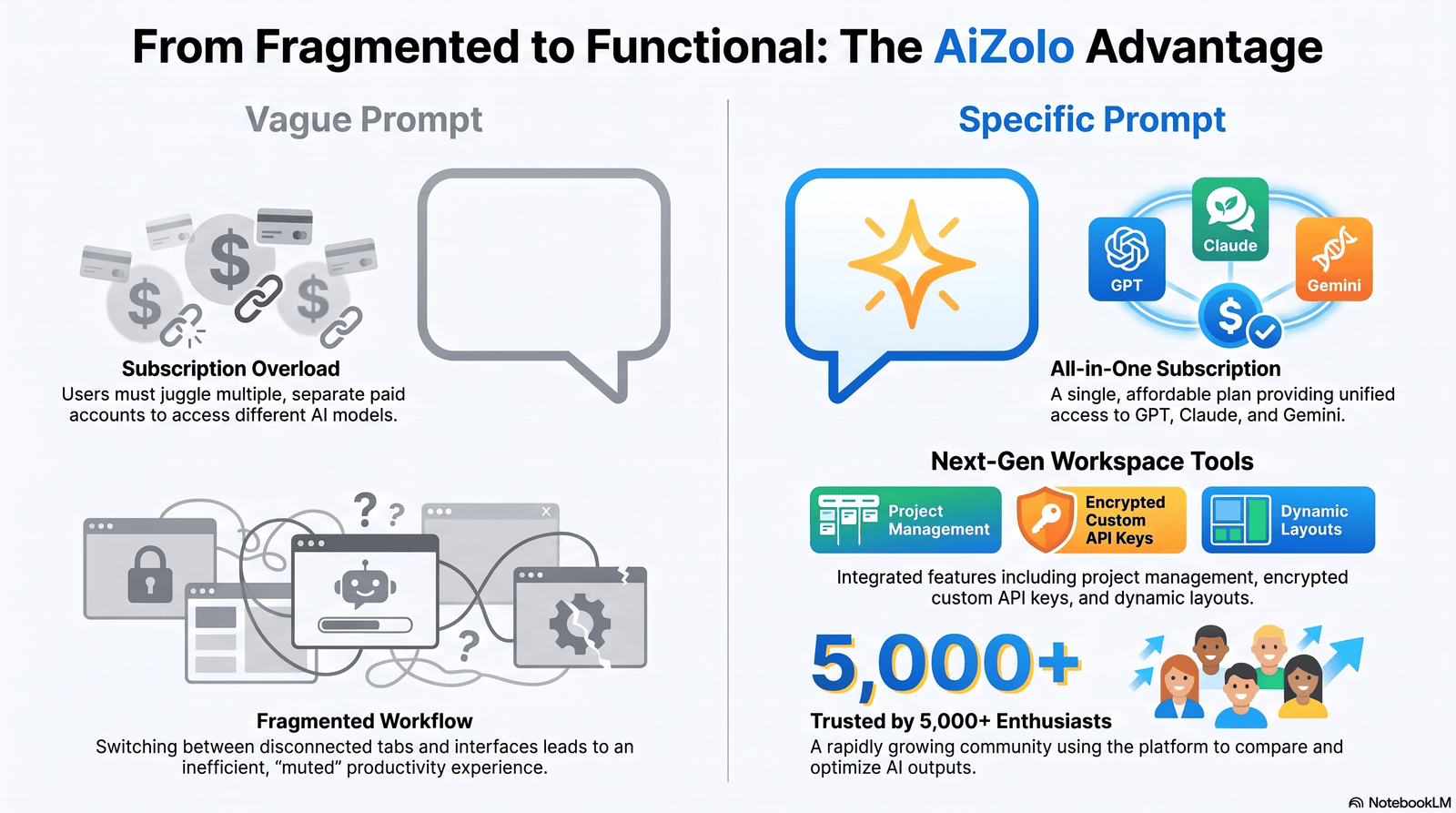
Seeing why one prompt outperforms another is more useful than any theory. Here are real comparisons.
Example 1 — Vague vs. specific
Vague prompt: “Joke about work.” Result: “Why did the employee bring a ladder to work? Because they heard the position was a step up.” Why it’s weak: It’s a generic pun with no personal detail — could apply to literally anyone.
Specific prompt: “One-liner about pretending to look busy in a meeting that could’ve been an email.” Result: “I’ve perfected the art of nodding thoughtfully at meetings I could’ve read in ten seconds.” Why it’s stronger: It targets a specific, relatable scenario, so the punchline lands with recognition instead of a generic setup.
Example 2 — No tone vs. defined tone
No tone prompt: “Joke about Mondays.” Result: “Why is Monday like a math problem? Nobody wants to solve it.” Why it’s weak: Serviceable but flat — could be any joke from any generator.
Defined tone prompt: “Dry, sarcastic one-liner about Mondays for tired office workers.” Result: “Monday: proof that the weekend was just a rumor.” Why it’s stronger: The sarcastic tone request shapes the phrasing and rhythm, giving it more personality.
Example 3 — Single result vs. multiple options
Asking for one joke about “cats” might return a decent but unremarkable line. Asking for five variations, then picking the strongest, consistently produces a better final result — because you’re doing the editing job a comedy writer would do, just faster.
Limitations of AI Joke Generators
Being honest about weaknesses is part of giving you a genuinely useful guide, not a sales pitch.
Repetition. Ask the same tool for “joke about coffee” enough times and you’ll start seeing similar structures repeat — the model has a finite set of common associations it reaches for first.
Timing and delivery aren’t captured. A joke that reads fine on screen can fall flat out loud, because AI can’t judge your specific delivery, pause, or audience reaction in real time.
Inconsistent judgment on edgy topics. Some tools refuse political or risky topics entirely, others attempt them with mixed quality — there’s no universal standard across tools.
Human editing is usually still required. Almost every professional writer who uses these tools treats the output as a first draft, not a final product, and edits the wording before using it publicly.
Cultural and regional humor gaps. Wordplay tied to a specific language, dialect, or regional reference doesn’t always translate cleanly, since models lean toward broadly recognized (often US-centric) references.
Common Mistakes People Make
Using the first result without reviewing it. The first joke generated is rarely the best one — treat it as a draft, not a final answer.
Prompting too vaguely. A one-word topic like “dogs” gives the model too little to work with, so it defaults to the most predictable angle.
Ignoring the audience. A joke that works in a group chat might be inappropriate for a work presentation — always sanity-check the setting before sharing.
Assuming every joke is original. Because models learn from patterns in existing jokes, some outputs closely resemble well-known jokes already in circulation. Always do a quick gut-check before publishing something as “original.”
Skipping the edit pass. Even a strong AI-generated joke usually reads better after trimming a word or two for rhythm — comedy is often about brevity.
The Future of AI Comedy
Comedy is one of the hardest creative tasks for AI, because it depends on shared cultural context, timing, and subverted expectation — not just grammatically correct text. That’s precisely why progress here is a meaningful signal of broader language model improvement.
Expect near-term improvements in a few specific directions: better handling of topical, current-event humor; more consistent tone control without needing detailed prompts; and tighter integration into creative tools like video captioning and social scheduling apps.
What’s unlikely to change soon is the need for a human editor. Comedy is deeply tied to specific audiences and shared context, and the “did this actually land with real people” judgment call still belongs to a person, not the model.
Expert Tips for Better Results
Treat the AI as a first-draft writer, not a joke vending machine. The best results come from generating several options, then editing the strongest one — the same process professional comedy writers use in a writers’ room.
Build a small prompt library. If you regularly need jokes for the same context (weekly newsletter, team stand-up, social captions), save your best-performing prompt phrasing and reuse it instead of starting from scratch each time.
Test read-aloud, not just read on-screen. If the joke is for a speech or video, say it out loud before finalizing — some punchlines that look fine in text don’t land verbally.
Keep a running “no” list. Note the joke structures that keep showing up and feeling stale, then explicitly prompt the tool to avoid them (“don’t use a knock-knock format,” “avoid puns this time”).
Case Study: Growing Social Engagement With an AI Joke Generator
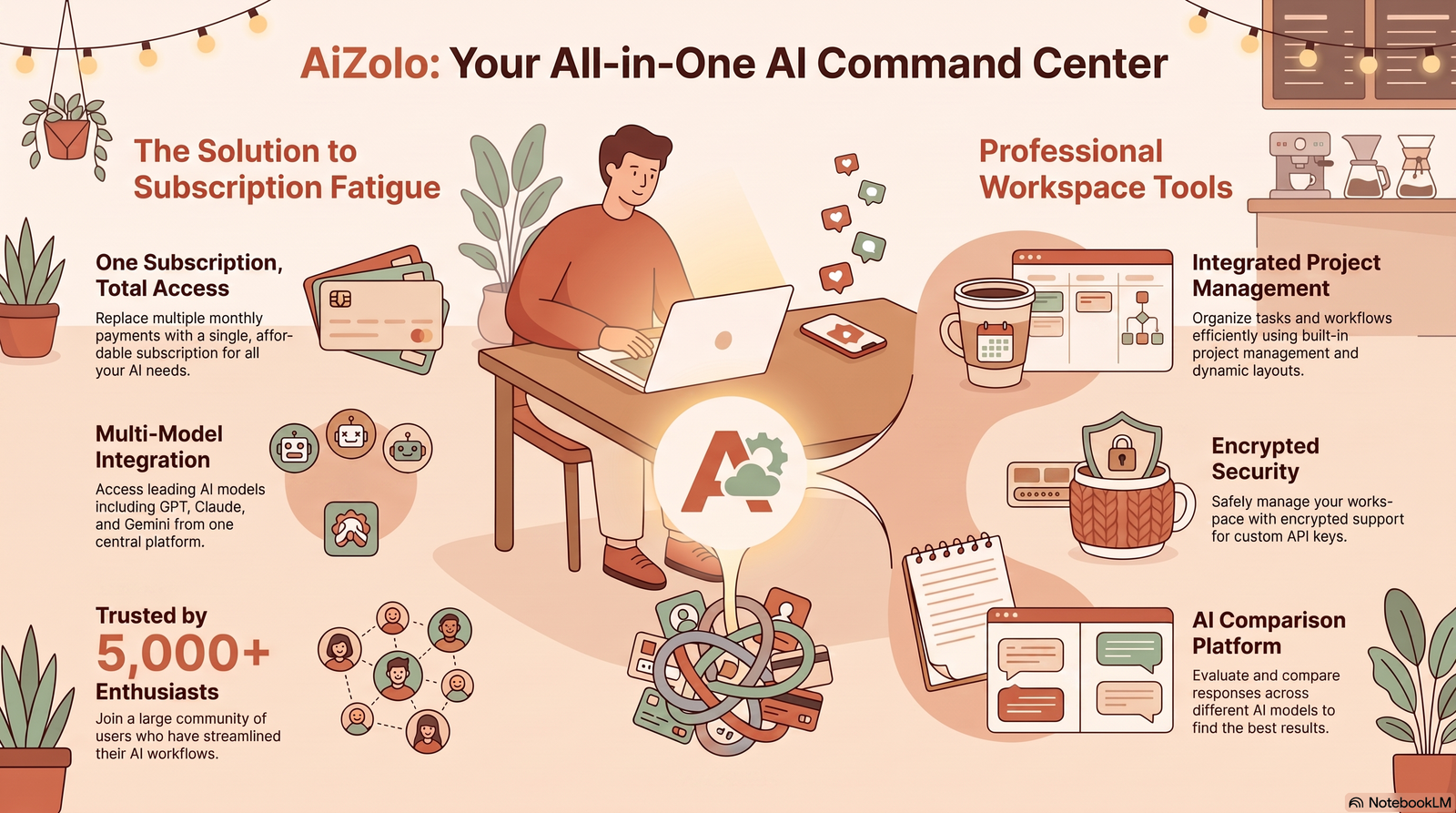
(Original illustrative case study — composite scenario based on common workflows, not a client-specific claim.)
A small coffee shop’s social media manager was struggling to post consistently. Captions felt flat, and engagement had stalled for weeks.
She started using an AI joke generator to draft caption options tied to daily themes — Monday openings, rainy-day specials, and regular customer running jokes. Instead of posting the first AI output, she generated five variations each time and picked the one that best matched the shop’s playful brand voice.
Over six weeks, she kept a simple log: which joke style (pun, one-liner, or dad joke) got the most comments and shares. Puns tied to specific menu items consistently outperformed generic one-liners about coffee in general.
What actually worked: specificity. Captions built around a real, recognizable detail — a regular customer’s order, a specific drink name, a local reference — consistently beat generic AI output about “coffee” as a broad topic.
The lesson: the AI joke generator wasn’t the strategy — the prompting discipline and the willingness to edit before posting were. The tool sped up the drafting stage; the judgment about what fit the brand still came from a person.
People Also Ask
Is there a free AI joke generator? Yes. Most dedicated joke-generator websites are free with no sign-up, and general chatbots like ChatGPT, Claude, and Gemini offer free tiers that can generate jokes as well.
Can ChatGPT generate jokes? Yes, ChatGPT can generate jokes on nearly any topic. Results improve significantly when you specify the format, tone, and audience instead of giving a one-word topic.
What is the funniest AI joke generator? “Funniest” varies by person and topic, since humor is subjective. General chatbots tend to produce more varied, editable humor, while dedicated joke sites are faster for quick, single-format jokes like puns or dad jokes.
How do AI joke generators come up with jokes? They apply patterns learned from large amounts of text containing jokes, then generate a setup and punchline built around the topic you provide, following common comedic structures like wordplay or misdirection.
Are AI-generated jokes actually original? Often, yes, but not always. Because models learn from existing joke patterns, some outputs can closely resemble already-circulating jokes, so it’s worth a quick originality check before publishing.
Can I use AI-generated jokes for my business or social media? Generally yes, though check the specific tool’s terms of use, and always review and edit the output to match your brand voice before publishing.
What’s the difference between a pun generator and a joke generator? A pun generator focuses specifically on wordplay-based humor, while a general joke generator can produce multiple formats including one-liners, dad jokes, knock-knock jokes, and longer story jokes.
Do AI joke generators work for other languages? Many general chatbots support multiple languages, but wordplay-heavy jokes often translate poorly, since puns depend on specific sounds and meanings in one language.
Can AI write jokes for a stand-up routine? AI can generate raw material and starting angles, but stand-up material typically needs significant editing for timing, delivery, and the comedian’s personal voice.
Is it cheating to use AI for comedy writing? Most working comedy writers treat AI-generated jokes as a brainstorming tool, not a finished product — using it for ideation isn’t inherently different from using a rhyming dictionary or thesaurus.
What topics do AI joke generators struggle with? Highly current or niche references, culturally specific wordplay, and sensitive political topics tend to produce weaker or inconsistent results across different tools.
How specific should my joke prompt be? Very specific. Naming a concrete scenario, audience, and tone produces noticeably better results than a single vague topic word.
Can AI joke generators write knock-knock jokes? Yes, most general-purpose and dedicated joke tools support the knock-knock format specifically, since it follows a very rigid, learnable structure.
Why does my AI-generated joke not make sense? This usually happens when the model builds a punchline that doesn’t logically connect to the setup — regenerating or being more specific in your prompt usually fixes it.
Are there AI joke generators built specifically for kids? Yes, several dedicated tools focus on clean, family-friendly formats like dad jokes and knock-knock jokes, which are naturally suited to younger audiences.
Can I train an AI joke generator on my own sense of humor? Some advanced chatbot tools let you give ongoing feedback (“funnier,” “more sarcastic,” “shorter”) within a conversation, which shapes results in that session, though it doesn’t persist as a permanent personal style by default in most tools.
What makes a joke generator “good” versus “bad”? A good one produces logically coherent setups and punchlines, offers format and tone control, and avoids excessive repetition across multiple generations.
Do AI joke generators understand sarcasm? Reasonably well when explicitly requested in the prompt, since sarcasm is a recognizable pattern in training data, but results vary depending on the specific topic.
Can AI joke generators replace human comedy writers? No — they’re useful for speed and brainstorming, but human judgment about timing, audience, and cultural context remains essential for polished comedy writing.
Is there a difference between a “dad joke generator” and an “AI joke generator”? A dad joke generator is a narrower tool focused only on corny, pun-based family humor, while a general AI joke generator supports multiple formats and tones.
FAQ
1. What is an AI joke generator? It’s a tool powered by a language model that creates original jokes from a topic you provide, using setup-punchline structures, puns, or story formats.
2. Is an AI joke generator free to use? Most dedicated joke websites are free with no sign-up required, and general AI chatbots typically offer free tiers as well.
3. How do I get better jokes from an AI generator? Be specific about the topic, name the format and tone you want, and generate a few variations before picking the best one.
4. Can AI joke generators create puns? Yes, puns are one of the most common formats, since wordplay follows learnable, repeatable patterns the model can apply reliably.
5. What’s the best AI joke generator for beginners? A dedicated, single-purpose joke website is easiest for beginners, since it requires no prompt-writing skill and offers simple format buttons.
6. Can businesses use AI-generated jokes in marketing? Yes, many brands use AI-generated jokes as caption drafts, editing them to match brand voice before publishing.
7. Do I need to sign up to use an AI joke generator? Most dedicated joke tools require no sign-up, though general chatbots may require a free account depending on the platform.
8. Are AI jokes as funny as human-written jokes? They can be, especially with a specific, well-crafted prompt, though professional comedy writers still typically outperform raw AI output without editing.
9. What joke formats can AI generate? Common formats include one-liners, puns, dad jokes, knock-knock jokes, roasts, and short story jokes with longer setups.
10. Can I use an AI joke generator for a wedding speech? Yes, many people use it to draft a clean opening joke, then personalize it with names and specific details before delivering it.
11. Why do some AI jokes feel repetitive? Language models tend to reach for the most common associations first, so repeated prompts on the same topic can produce similar structures.
12. Is it safe to use AI joke generators around sensitive topics? Approach carefully — results on political or sensitive topics vary widely by tool, and human review before sharing publicly is strongly recommended.
13. Can AI generate jokes in different languages? Many general chatbots support multiple languages, though pun-based humor often loses its wordplay when translated directly.
14. What’s the difference between a joke generator and a meme generator? A joke generator produces text-based humor like one-liners and puns, while a meme generator combines humor with an image template.
15. How do professional comedians use AI tools? Mostly for brainstorming angles and generating raw material quickly, with heavy editing afterward for timing, voice, and delivery.
16. Can I generate a joke about a specific person? Yes, though many tools limit jokes about real public figures to avoid misrepresentation, so results may be restricted or declined.
17. What should I avoid when prompting an AI joke generator? Avoid vague one-word prompts, and avoid assuming the first result is your best option — always review before using it publicly.
18. Do AI joke generators improve over time? The underlying models are updated periodically by their developers, and quality has generally improved as language models have advanced.
19. Can kids use an AI joke generator safely? Dedicated family-friendly tools focused on dad jokes and knock-knock formats are generally appropriate, though adult supervision is still recommended for any open AI tool.
20. What’s the quickest way to test if an AI joke generator is good? Give it the exact same specific, detailed prompt across a few tools and compare which produces the most coherent, audience-appropriate punchline.
Conclusion
An AI joke generator is genuinely useful — for speed, for brainstorming, and for people who freeze up under comedic pressure. But the tool is only half the equation.
The other half is prompting it well: naming a specific topic, a clear tone, and the right audience, then treating the first result as a draft instead of a finished product.
Use the comparisons and templates in this guide, test a few tools against the same prompt, and keep editing before you publish. That’s the actual difference between a forgettable AI joke generator result and one that gets a real laugh.
Author Bio
Author: Jeevesh Tripathi Email: jeevesh@aizolo.com
Bio: Jeevesh Tripathi is an AI and SEO strategist specializing in generative AI tools, prompt engineering, and technology content research. His work focuses on translating how large language models actually function into practical, tested guidance for everyday tool users. He writes with a focus on accuracy, hands-on testing, and Google’s EEAT framework, prioritizing original insight over generic AI-generated summaries.
Схема помощи зависит от состояния, стажа употребления, противопоказаний и дальнейших целей лечения