If you’ve typed “which AI companies offer the best value for money” into Google, you’re probably staring at two different problems at once. As an investor, you want to know which AI companies are worth your money. As a daily user, you want to know which AI subscription is worth your money.
Both questions have the same root: hype is everywhere, and value is hard to spot from the outside. That’s where Aizolo helps by making it easier to compare leading AI models and subscriptions in one place, so you can focus on real value instead of marketing claims.
This guide separates the two, and then answers both. You’ll see how to judge an AI company on fundamentals rather than headlines, which public and private AI companies actually deliver value today, how Indian AI stocks stack up against global giants, and how AI subscription pricing compares once you strip away the marketing.
Quick answer: Nvidia, Alphabet, and Microsoft currently offer the strongest combination of AI revenue, profitability, and market position among public companies, while Anthropic and OpenAI lead the private AI race on growth despite still-unproven profitability.
For everyday users, Claude Pro, ChatGPT Plus, and Google AI Pro deliver the best value at the standard $20/month tier, provided you actually use what you pay for.
Table of Contents
What “Value for Money” Actually Means in AI
Value for money isn’t the cheapest option. It’s the highest return relative to what you spend, whether that spend is a subscription fee or a stock purchase.
For an investor, value means a company’s AI-driven revenue and growth justify its valuation, rather than valuation running years ahead of proof. For a subscriber, value means a $20/month AI plan actually replaces hours of work, not just novelty.
Expert Tip: Before comparing any two AI companies, write down what you’re optimizing for — growth, profitability, dividend income, or day-to-day usefulness. Ranking changes completely depending on the goal.
If you’re newer to comparing AI subscriptions altogether, our AI tool subscription guide for beginners walks through the basics — free vs. paid tiers, token pricing, and how to pick your first plan — before you dive into company-level comparisons.
Factors That Separate Value From Hype
A handful of AI startups win headlines every week. Very few clear this checklist:
- Revenue quality — Is revenue coming from paying enterprise customers and API usage, or mostly from investor hype and pilot programs?
- Growth rate vs. valuation — Does the price-to-sales ratio make sense given the growth rate, or is the market pricing in a decade of flawless execution?
- Path to profitability — Does the company have a credible timeline to positive cash flow, or is it burning cash indefinitely?
- Moat — Proprietary data, model IP, distribution, or switching costs that competitors can’t easily copy.
- Compute access — Long-term chip and cloud-capacity commitments, since compute scarcity is currently the industry’s biggest bottleneck.
- Regulatory exposure — Export controls, data-privacy rules, and safety regulation can change a company’s addressable market overnight.
Best AI Companies Globally
The global AI market splits into three tiers: infrastructure providers, frontier AI labs, and AI-enabled incumbents.
Infrastructure leaders. Nvidia remains the backbone of the AI boom, supplying the GPUs that train and run almost every major model, and it became the first company to cross a $5 trillion market capitalization in 2026 on the back of that demand.
Nvidia has held its position as the leading tech company by market capitalization, having become the first company to reach the five-trillion-dollar milestone in October 2025.
AI-enabled incumbents. Alphabet has emerged as Nvidia’s closest challenger by weaving Gemini across Search, Cloud, and Android, giving it AI revenue without a separate subscription fee for most users. Alphabet’s market capitalization surged past $4.6 trillion after a 10% stock jump on Q1 2026 earnings that beat estimates across every division, with Google Cloud growing 63% to cross $20 billion in quarterly revenue.
Microsoft, meanwhile, monetizes AI through Azure and Copilot bundled into existing enterprise contracts, giving it one of the stickiest AI revenue bases in the industry.
Frontier AI labs. OpenAI and Anthropic are the two dominant private labs, and 2026 has been a turning point for both. Anthropic went from roughly $9 billion in annualized revenue at the end of 2025 to a roughly $45 billion run rate by May 2026, while OpenAI roughly tripled from $13 billion to about $33 billion over the same stretch.
Anthropic overtook OpenAI on both revenue and valuation for the first time this year, though the two companies count revenue differently, which slightly inflates Anthropic’s reported top line relative to OpenAI’s.
Anthropic reports revenue on a gross basis, counting total end-customer spend through cloud resellers such as AWS, Google, and Microsoft as revenue, while OpenAI reports closer to net figures.
Expert Tip: Never compare a private AI lab’s valuation to a public company’s market cap without adjusting for revenue-recognition differences. The headline numbers aren’t always apples-to-apples.
Global AI Company Comparison Table
| Company | Type | Approx. Market Cap / Valuation (2026) | AI Revenue Signal | Profitability |
|---|---|---|---|---|
| Nvidia | Public — Infrastructure | ~$5 trillion | GPU sales, ~80%+ of AI accelerator market | Highly profitable |
| Alphabet | Public — Platform | ~$4.3–4.8 trillion | Gemini, Search, Cloud (63% YoY Cloud growth) | Highly profitable |
| Microsoft | Public — Platform | ~$2.8–3.2 trillion | Azure AI, Copilot, OpenAI stake | Highly profitable |
| Amazon | Public — Platform | ~$2.6–2.8 trillion | AWS AI services, Anthropic partnership/investor | Profitable |
| Anthropic | Private — Frontier lab | ~$350B–$965B (funding-round dependent) | ~$47B run rate (May 2026) | Not yet profitable |
| OpenAI | Private — Frontier lab | ~$750B–$852B | ~$25–33B run rate | Not yet profitable |
Figures for private companies are estimates based on disclosed funding rounds and public reporting, and change quickly as new rounds close.
Best AI Companies in India
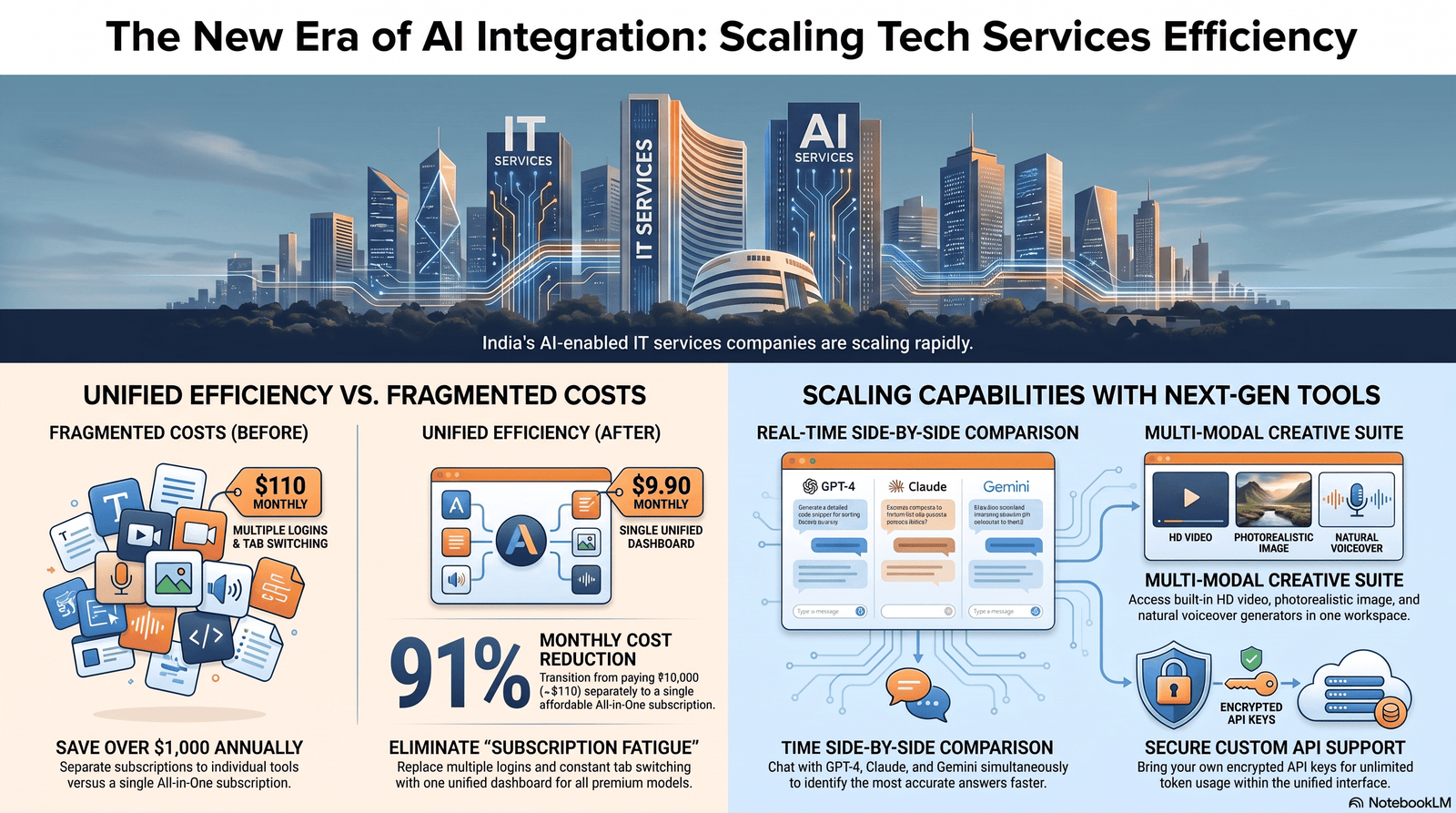
India’s AI story runs through its IT services giants rather than standalone foundation-model labs. The leading Indian AI stocks in 2026 include TCS, Infosys, HCL Technologies, Persistent Systems, Tata Elxsi, Affle India, and KPIT Technologies, with Persistent Systems and Tata Elxsi standing out for AI-first positioning.
Beyond IT services, other names appear on Indian AI-stock screens depending on the analyst’s methodology. Some rankings also include Bosch, Oracle Financial Services Software, L&T Technology Services, Mphasis, Cigniti Technologies, Cyient, and Nucleus Software among the top Indian AI stocks for 2026.
India’s broader tech sector has real scale behind this trend: India’s technology industry stood at about $300 billion in 2026, contributing nearly 7% to GDP and employing 5.8 million people, with more than 2,100 global capability centres now running AI, analytics, and automation work.
Government support is also a factor investors weigh. The IndiaAI Mission carries an approved outlay of roughly ₹10,371.92 crore over five years to fund compute, datasets, startups, and skilling.
Investment Insight: Indian AI stocks are best understood as “AI-enabled” rather than “AI-native.” You’re buying execution and services scale, not foundation-model IP. That’s a different risk profile than owning Nvidia or a stake in Anthropic.
India AI Stocks Snapshot
| Company | Segment | AI Positioning |
|---|---|---|
| TCS | IT Services | Enterprise AI transformation, large-scale delivery |
| Infosys | IT Services | Topaz AI suite, generative AI integration |
| HCL Technologies | IT Services | AI-led digital transformation |
| Persistent Systems | IT Services | AI-first digital engineering |
| Tata Elxsi | Deep Tech | AI in automotive, healthcare, media |
| KPIT Technologies | Auto-tech | AI for autonomous and connected vehicles |
| Affle India | Ad-tech | AI-driven mobile advertising and analytics |
| Mphasis | IT Services | AI-led BFSI and enterprise solutions |
Public AI Companies vs. Private AI Companies
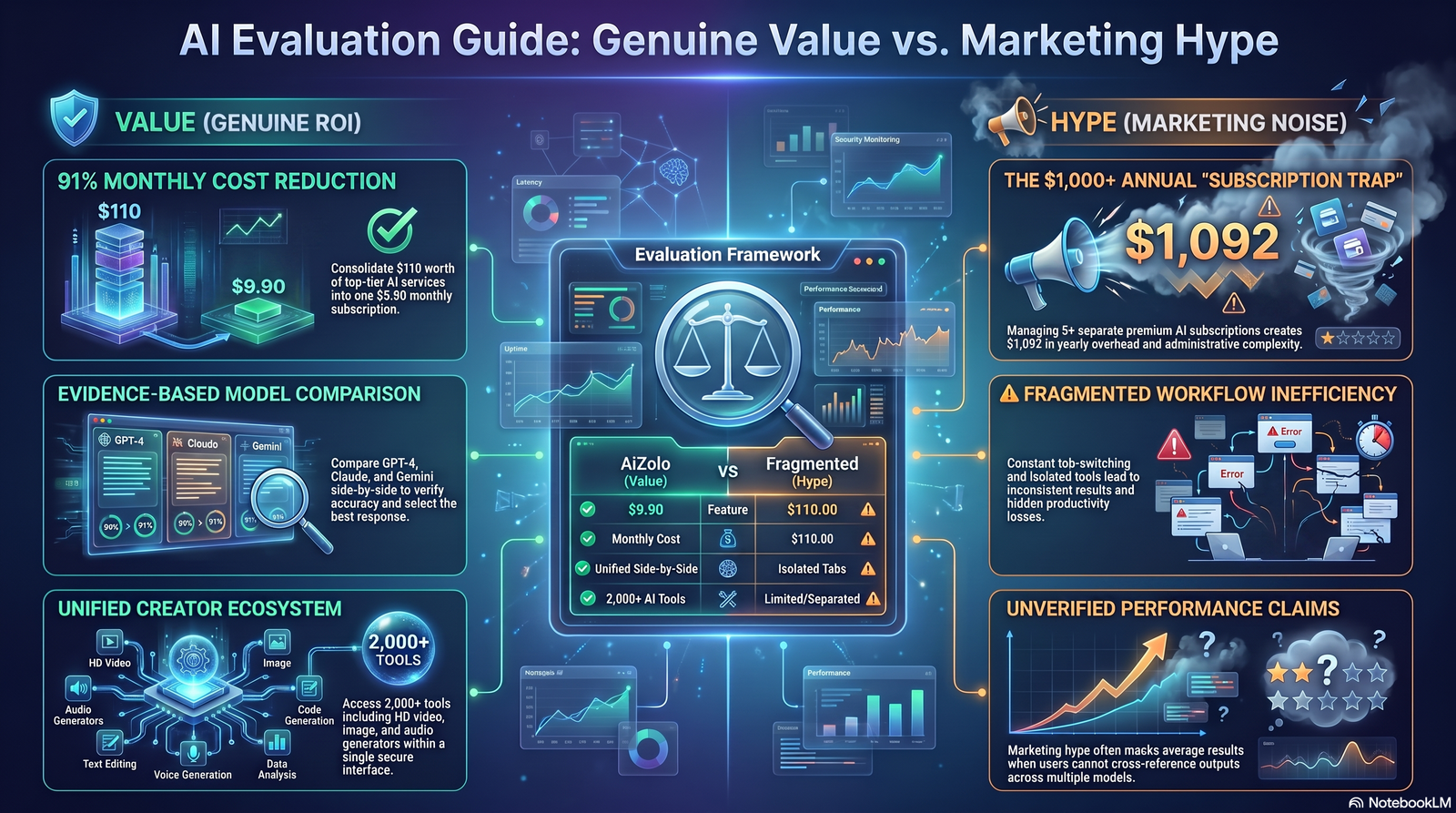
Public AI companies like Nvidia, Alphabet, and Microsoft give you liquidity, audited financials, and dividends or buybacks in some cases. You can check quarterly earnings and walk away the same day if the thesis breaks.
Private AI labs like Anthropic and OpenAI offer higher theoretical upside but come with illiquidity, limited financial disclosure, and valuations set in funding rounds rather than public markets.
Both Anthropic and OpenAI have filed confidential S-1s and are valued in a way that doesn’t map cleanly onto traditional SaaS metrics, where a growth-adjusted multiple of 8 to 15 times forward revenue is typical for high-growth software. Frontier labs currently trade at a steep premium to that norm.
Common Mistake: Assuming retail investors can easily buy shares in OpenAI or Anthropic. Most exposure today is indirect, through public companies like Microsoft, Amazon, and Nvidia that hold stakes or supply infrastructure to these labs.
AI Stocks vs. AI Software Subscriptions
These are two entirely different purchases, and conflating them is the single most common mistake in this space.
- AI stocks are an ownership bet on a company’s future earnings. You’re paid back only if the business grows and the market re-rates it.
- AI software subscriptions are a productivity purchase. You’re paid back immediately, in time saved or output produced, or you’re not.
A reader searching “which AI companies offer the best value for money” is often really asking both: “should I invest in AI companies” and “which AI subscription should I actually pay for.” The rest of this guide answers both, starting with the numbers behind each company, then moving into subscription pricing.
Revenue, Profitability, and Innovation Compared
Profitability separates the AI winners from the AI hopefuls right now. Nvidia, Alphabet, and Microsoft are all solidly profitable while scaling AI. The frontier labs are not there yet.
OpenAI reported roughly $25 billion in annualized revenue by February 2026, up 17% year over year, but the company loses about $1.22 for every dollar it earns.
Anthropic is on a similar trajectory but has been more explicit about timing: Anthropic expects positive free cash flow in 2027 and its first profitable year in 2028, with sales potentially reaching $40 billion by 2028 in its base case.
Margins are improving industry-wide as inference costs fall. AI gross margins have improved meaningfully in 2026 as inference costs dropped 5 to 10 times from 2024 levels, with OpenAI and Anthropic both approaching 50 to 60% gross margins, up from 30 to 40%.
Revenue and Valuation Snapshot (Frontier Labs)
| Metric | OpenAI | Anthropic |
|---|---|---|
| 2026 Run-Rate Revenue | ~$25–33B | ~$45–47B |
| Latest Valuation | ~$852B | ~$965B |
| Revenue Growth Trend | Roughly tripled in ~5 months | 5x+ growth in the same window |
| Profitability | Not profitable; large operating losses | Not profitable; targeting FCF positive 2027 |
| IPO Status | Confidential filing reported | Confidential S-1 filed June 2026 |
Key Takeaway: Faster revenue growth doesn’t automatically mean better value — it means higher risk and higher potential reward. Compare growth against burn rate and path to profitability, not against growth alone.
AI Subscription Pricing in 2026
This is where “value for money” becomes a monthly, personal decision rather than a long-term investment thesis. Pricing among the major AI chatbots has converged: ChatGPT Plus, Claude Pro, and Google AI Pro all sit near $20/month, while Perplexity Pro matches that price and Grok runs higher at $30/month.
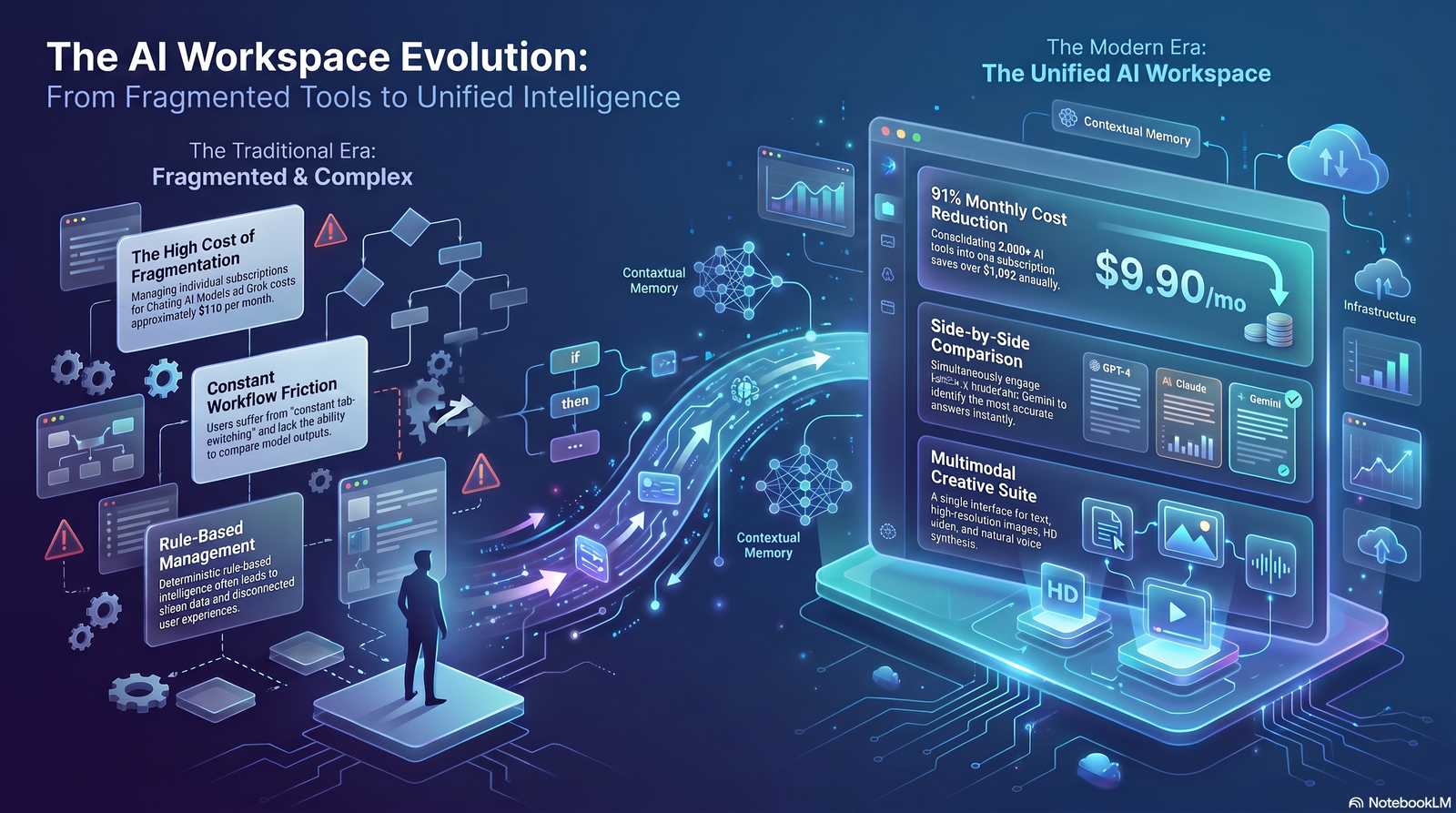
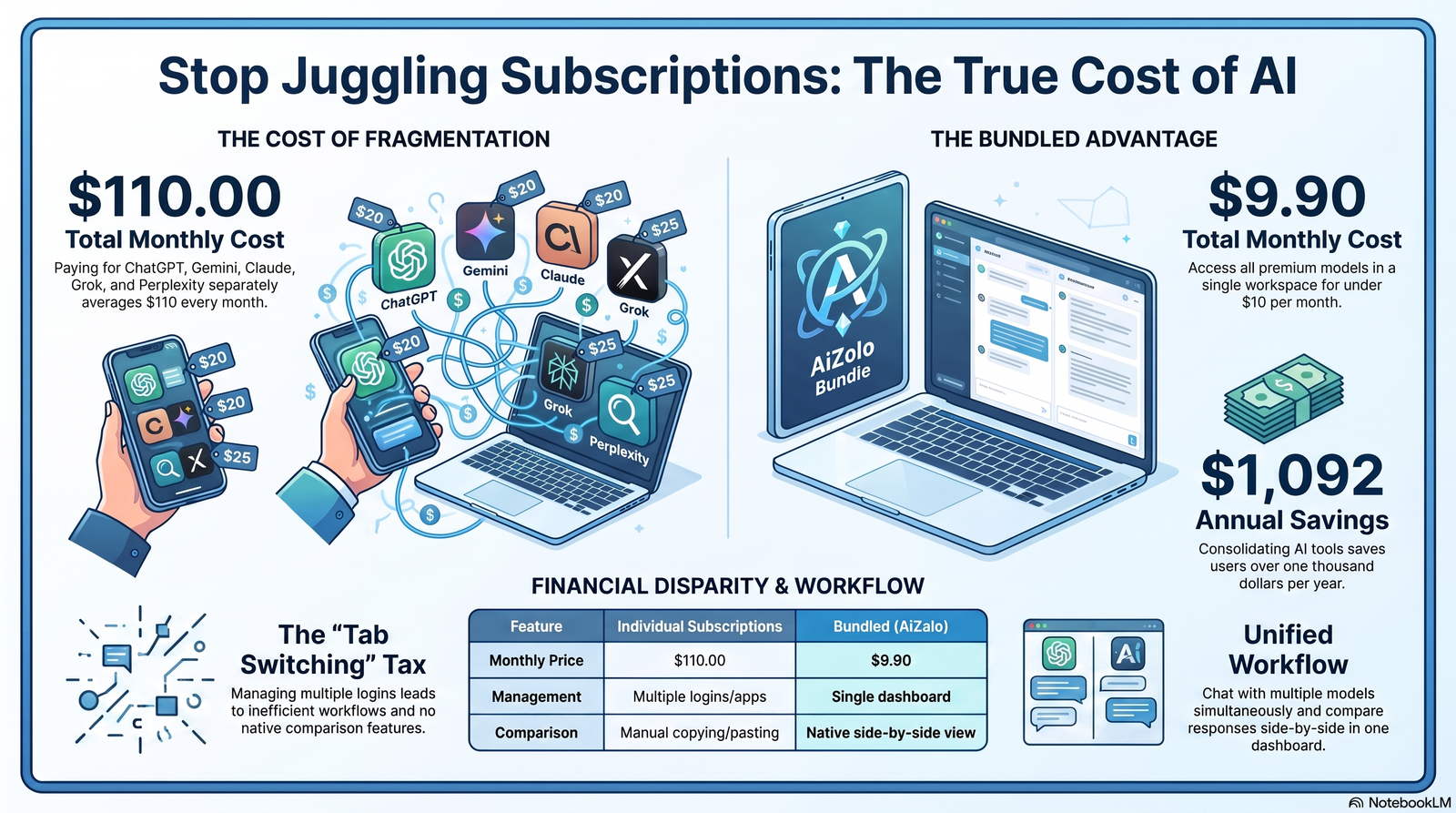
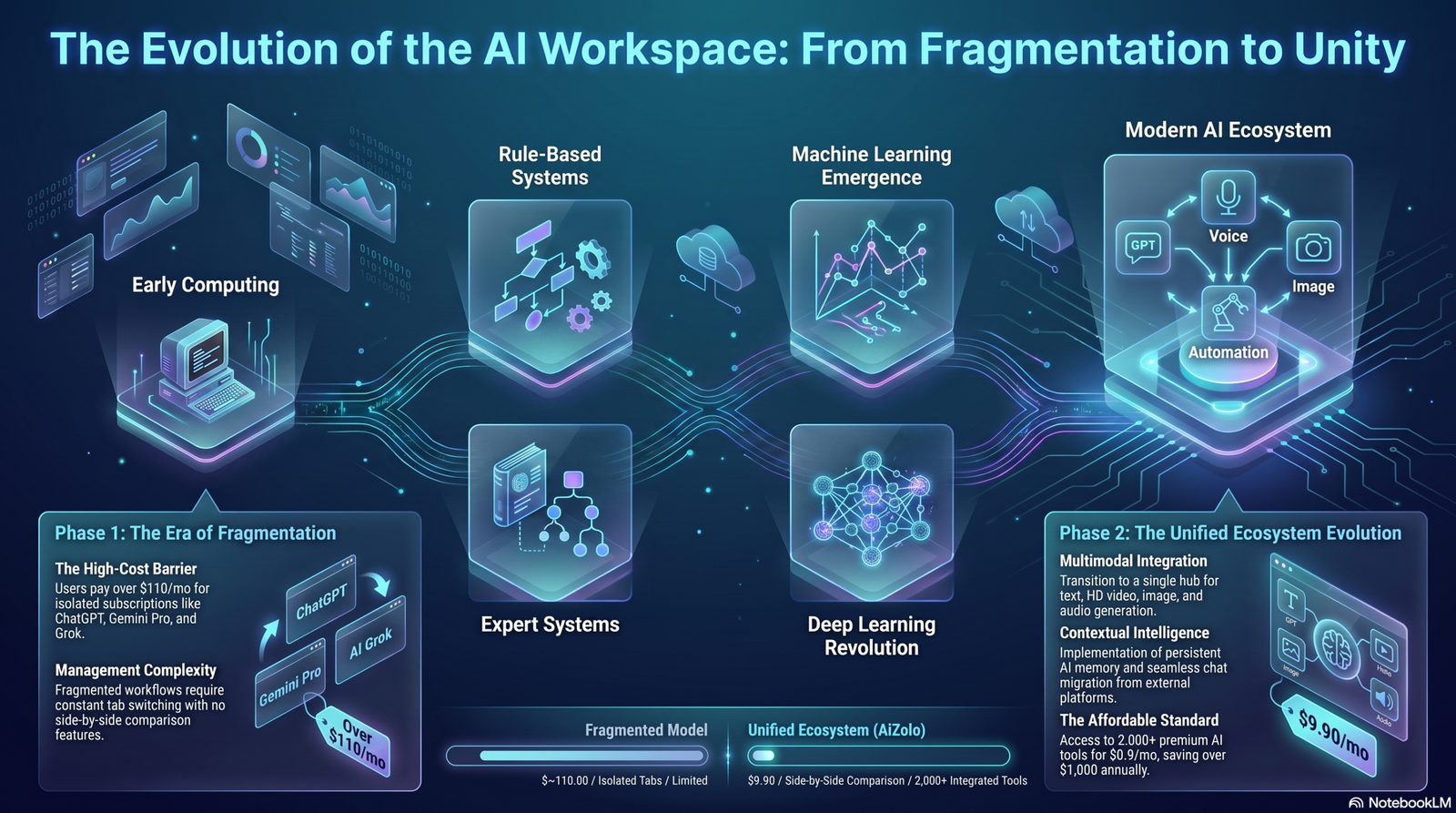
Stack more than one of these — which most regular AI users end up doing — and the bill climbs past $80–$110/month fast, before adding a coding tool, image generator, or writing assistant.
For the complete, regularly-updated pricing table across all major providers — including budget tiers under $10/month, student pricing, and how all-in-one plans stack up — see our full breakdown in Cheapest AI Subscription in 2026: 12 Affordable AI Plans Compared. And if you want the deeper math on what running several $20/month tools actually costs once overlap and context-switching are factored in, we’ve broken that down separately in The Hidden Cost of Multiple AI Subscriptions in 2026.
Featured Snippet Answer — Which AI companies offer the best value for money? Nvidia, Alphabet, and Microsoft offer the best value among public AI companies because they combine large AI-driven revenue with strong profitability. For subscriptions, Claude Pro, ChatGPT Plus, and Google AI Pro offer the best value at $20/month each, since they deliver flagship-model access without the premium pricing of top-tier plans.
Featured Snippet Answer — Are AI stocks worth buying? AI stocks can be worth buying if the company’s revenue growth and profitability justify its valuation. Infrastructure and platform leaders like Nvidia, Alphabet, and Microsoft currently show that alignment more clearly than early-stage, pre-profit AI labs.
AI Subscription Price Comparison (2026)
| Provider | Free Tier | Standard Tier | Premium Tier |
|---|---|---|---|
| OpenAI (ChatGPT) | Yes, limited | Plus — $20/mo | Pro — $200/mo |
| Anthropic (Claude) | Yes, limited | Pro — $20/mo | Max — $100 / $200/mo |
| Google (Gemini) | Yes, limited | AI Pro — $19.99/mo | AI Ultra — up to $249.99/mo |
| xAI (Grok) | Yes, limited | SuperGrok — $30/mo | SuperGrok Heavy — $300/mo |
Featured Snippet Answer — Which AI companies offer the best value for money? Nvidia, Alphabet, and Microsoft offer the best value among public AI companies because they combine large AI-driven revenue with strong profitability. For subscriptions, Claude Pro, ChatGPT Plus, and Google AI Pro offer the best value at $20/month each, since they deliver flagship-model access without the premium pricing of top-tier plans.
Featured Snippet Answer — Are AI stocks worth buying? AI stocks can be worth buying if the company’s revenue growth and profitability justify its valuation. Infrastructure and platform leaders like Nvidia, Alphabet, and Microsoft currently show that alignment more clearly than early-stage, pre-profit AI labs.
If you’re trying to decide between paying for several separate AI subscriptions or consolidating into a single subscription for all AI models, the deciding factor is usage frequency: heavy daily users of multiple models benefit most from consolidation, while occasional users may be fine with one $20/month plan.
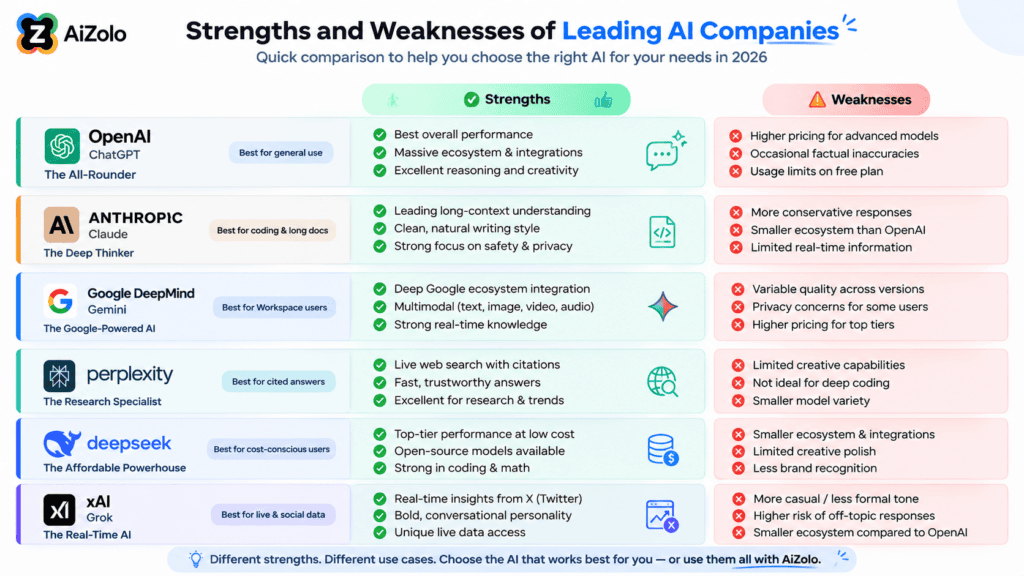
Strengths and Weaknesses of Leading AI Companies
Company Strengths and Weaknesses Table
| Company | Strengths | Weaknesses |
|---|---|---|
| Nvidia | Dominant AI chip market share, high margins, proven profitability | Customer concentration risk, cyclical hardware demand |
| Alphabet | Diversified AI distribution (Search, Cloud, Android), strong cash flow | Regulatory scrutiny, rising capex |
| Microsoft | Enterprise stickiness via Azure and Copilot, OpenAI equity stake | Heavy AI infrastructure spending, dependency on partner labs |
| Anthropic | Fastest revenue growth in the industry, strong enterprise and coding traction | Not yet profitable, valuation moves quickly with each funding round |
| OpenAI | Largest consumer brand recognition, broad ecosystem and plugins | Wide operating losses, intensifying competition from Anthropic and Google |
| Indian IT majors (TCS, Infosys, HCL) | Massive delivery scale, stable cash flow, dividend-paying | AI is a smaller share of overall revenue; slower-moving innovation cycle |
Which AI Companies Offer the Best Value for Money?
Bringing the investment and subscription lenses together:
For long-term investors wanting AI exposure with visible profitability, Nvidia, Alphabet, and Microsoft currently offer the clearest value — real earnings, reasonable (if rich) multiples relative to growth, and diversified revenue beyond AI hype.
For growth-focused investors comfortable with risk and illiquidity, Anthropic and OpenAI offer the highest theoretical upside, but neither is profitable yet, and private valuations can move sharply between funding rounds.
For Indian-market investors, Tata Elxsi, Persistent Systems, and TCS offer AI-adjacent exposure with the stability of established IT services businesses, though they are not foundation-model companies.
For everyday AI users, the best value sits at the $20/month standard tier — Claude Pro, ChatGPT Plus, or Google AI Pro — chosen based on which model fits your actual workflow, not brand loyalty. Users who regularly need more than one model should compare the true stacked cost of multiple subscriptions against all-in-one AI subscription alternatives before committing to several plans in parallel.
If writing output specifically is your main use case, it’s worth checking our dedicated guide to the best affordable AI writing software for tools built around that workflow.
Future Outlook
Three trends will likely reshape “value for money” in AI over the next 12–18 months:
- Falling inference costs should continue to widen margins across the industry, making today’s expensive plans cheaper to run and potentially cheaper to buy.
- IPOs from Anthropic and OpenAI, both of which have filed confidentially, will finally give public-market investors direct access and force more transparent financial disclosure.
- Subscription consolidation will likely accelerate as users tire of paying $20 apiece across three or four providers, pushing demand toward bundled or multi-model access.
Common Mistakes Investors and Users Make
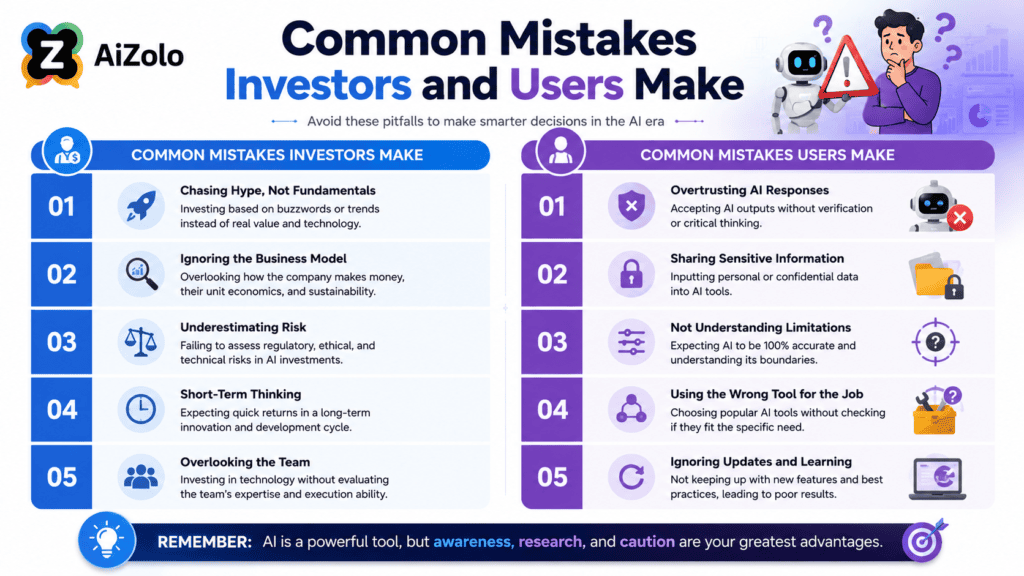
- Chasing valuation headlines instead of checking revenue quality and profitability.
- Assuming private-company valuations are directly comparable to public market caps.
- Paying for the most expensive subscription tier without checking whether you actually hit the usage limits of the standard tier.
- Subscribing to multiple $20/month plans without comparing the combined cost against consolidated alternatives — see our full AI subscription savings vs. individual SaaS tools breakdown for real numbers.
- Ignoring regulatory and export-control risk, which can affect AI companies’ available markets with little warning.
Frequently Asked Questions
1. Which AI companies offer the best value for money in 2026? Nvidia, Alphabet, and Microsoft lead among public companies on the strength of profitable, diversified AI revenue. Among subscriptions, Claude Pro, ChatGPT Plus, and Google AI Pro lead at the $20/month tier.
2. Is Nvidia stock overvalued? Nvidia trades at a premium valuation, but it’s backed by dominant market share in AI chips and consistent profitability, which is different from early-stage AI labs trading on growth alone.
3. Are Anthropic and OpenAI publicly traded? No. Both are private companies as of mid-2026, though both have filed confidential paperwork that could lead to IPOs.
4. What is a fair price-to-sales ratio for an AI company? Traditional SaaS companies are typically valued at 4–15 times forward revenue depending on growth. Frontier AI labs currently trade well above that range, reflecting expectations of exceptional future growth.
5. Which Indian AI stocks are considered the best value? Tata Elxsi and Persistent Systems are frequently highlighted for AI-first positioning, while TCS and Infosys offer AI exposure at large-cap scale and stability.
6. Is ChatGPT Plus or Claude Pro better value? Both cost $20/month with similar feature sets. The better value depends on your use case: Claude is often favored for writing and analysis, ChatGPT for broad ecosystem integrations.
7. Why is Google AI Pro cheaper than ChatGPT Pro? Google AI Pro ($19.99/month) is a mid-tier plan, while ChatGPT Pro ($200/month) is OpenAI’s top-tier plan. The comparable Google plan to ChatGPT Pro is Google AI Ultra, priced up to $249.99/month.
8. Do AI companies pay dividends? Established players like Microsoft and Alphabet’s parent-level peers do pay dividends in some cases, but pure-play AI companies, including Nvidia, historically prioritize reinvestment over dividend payouts.
9. What is the safest way to invest in AI without picking individual stocks? Broad technology or AI-themed index funds spread exposure across multiple companies, reducing single-stock risk compared to picking one AI company directly.
10. Why did Anthropic’s valuation grow so quickly in 2026? Anthropic’s revenue run rate grew roughly five-fold in under six months during 2026, driven largely by demand for Claude Code and enterprise adoption, which pulled its valuation up in subsequent funding rounds.
11. Is it worth paying for a premium AI plan like Claude Max or ChatGPT Pro? Only if you consistently hit the usage limits of the standard $20/month tier. Occasional users rarely need the $100–$200/month plans.
12. How do I compare AI companies before investing? Compare revenue growth, profitability or path to profitability, valuation multiples, competitive moat, and regulatory exposure — not just brand recognition or media coverage.
13. Are AI subscription bundles worth it? If you regularly use more than one AI model, a bundle can cost significantly less than paying for each subscription individually, though you should verify usage limits match your needs.
14. What’s the biggest risk to AI company valuations right now? Elevated price-to-sales multiples on private AI labs mean any slowdown in growth, increased competition, or margin pressure could trigger a sharp valuation correction, particularly once these companies face public-market scrutiny after an IPO.
15. Do AI companies in India compete directly with OpenAI and Anthropic? Not directly. Indian AI stocks are largely services and application-layer companies that implement and integrate AI, rather than foundation-model developers competing with OpenAI or Anthropic.
Final Verdict
There isn’t one AI company that offers the best value for money for everyone, because “value” depends on whether you’re investing or subscribing. Among public companies, Nvidia, Alphabet, and Microsoft currently pair AI growth with real profitability, making them the more defensible value picks today. Among private labs, Anthropic and OpenAI offer explosive growth but carry real profitability risk until their IPOs prove out. Among Indian stocks, Tata Elxsi and Persistent Systems stand out for AI-first execution.
For day-to-day AI use, resist the instinct to pay for the most expensive plan. Start at the $20/month standard tier, track how much you actually use it, and only upgrade — or consolidate into a best value AI subscription — once your usage genuinely justifies it.
Before you buy a stock or a subscription, compare at least two or three AI companies side by side against your own goals, rather than relying on a single ranking or headline.
Author Bio
Jeevesh Tripathi AI Researcher & SEO Content Specialist 📧 jeevesh@aizolo.com
Jeevesh researches the AI industry and writes evidence-based content that helps readers separate genuine value from market hype. With a background spanning AI tools, SaaS platforms, and search optimization, he focuses on translating complex valuation and pricing data into practical guidance for investors, founders, and everyday AI users making informed technology decisions.