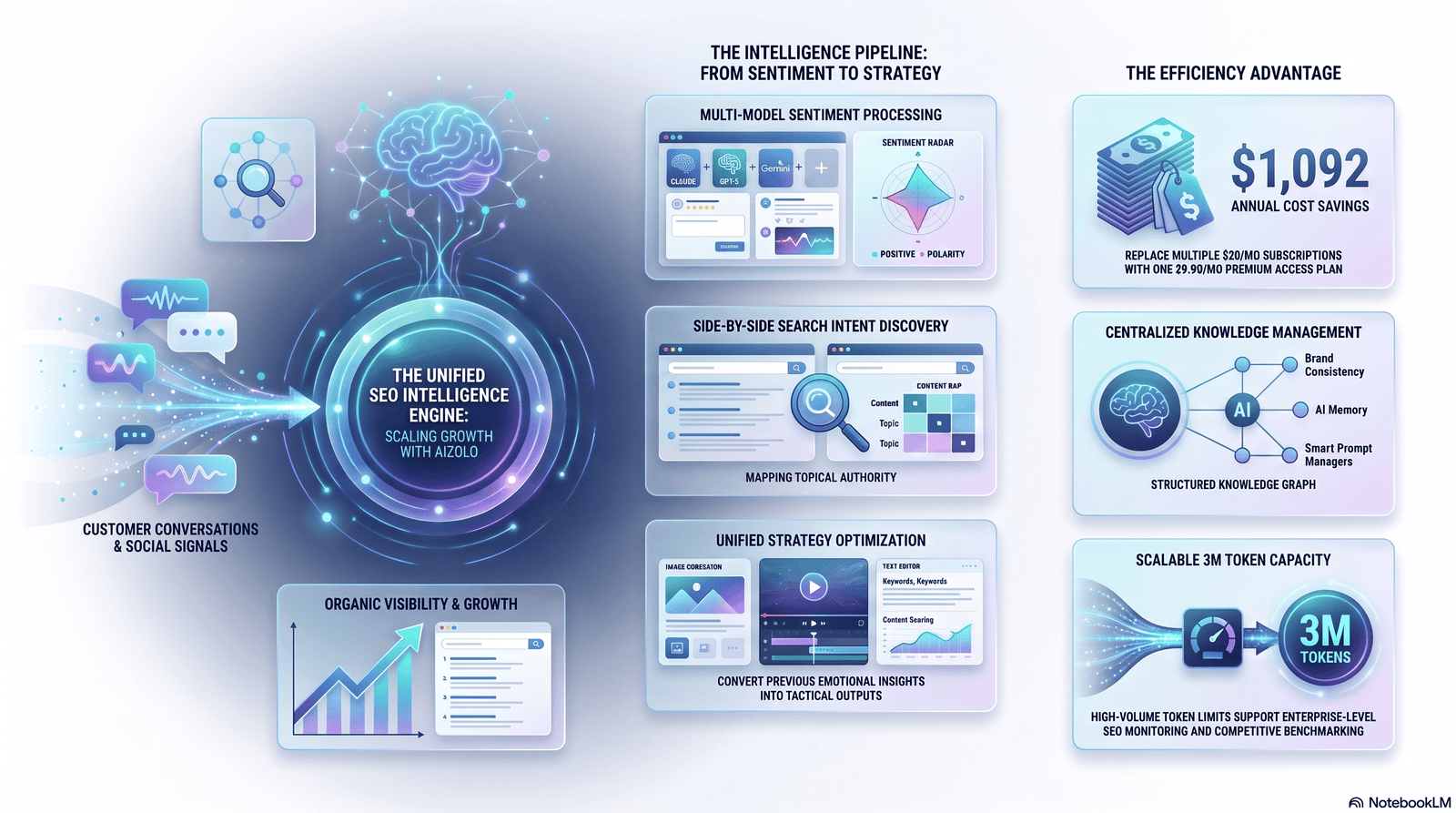
Featured Snippet Targets
Sentiment Driven SEO for startups is a strategy that combines traditional keyword optimization with AI sentiment analysis. Aizolo helps businesses understand how audiences emotionally respond to their brand, then uses those insights to shape content, messaging, and visibility across Google Search and AI search engines. This approach enables startups to build stronger trust, improve search relevance, and drive sustainable organic growth.
Sentiment Driven SEO for startups works by pairing search intent data with emotional data pulled from reviews, social mentions, and AI chat platforms. Instead of only asking “what are people searching for,” it asks “how do people feel about this topic, and about us.” Startups use that emotional layer to write content that matches real audience mood, which improves engagement, trust, and rankings.
Bullet snippet:
- Combines keyword SEO with AI sentiment analysis
- Uses customer reviews, social listening, and AI chat mentions as ranking inputs
- Helps startups match content tone to audience emotion
- Improves engagement signals Google already tracks
- Extends visibility into AI Overviews and chatbot answers
Numbered snippet:
- Audit current brand sentiment across reviews and social channels
- Map sentiment data against your target keywords
- Rewrite or create content that addresses the emotional gap
- Monitor sentiment shifts and search rankings together
- Repeat the cycle every quarter as a growth habit
Table of Contents
Table snippet:
| Element | Traditional SEO | Sentiment Driven SEO |
|---|---|---|
| Core input | Keywords, backlinks | Keywords + emotional signals |
| Main question | What are people searching for? | What are people searching for, and how do they feel? |
| Success signal | Rankings, traffic | Rankings, traffic, trust, conversions |
Key Takeaways
- Sentiment Driven SEO for startups blends search intent with emotional intent, which is quickly becoming a real differentiator in crowded SaaS categories.
- Google’s ranking systems already factor in review sentiment, engagement patterns, and trust signals — sentiment work isn’t optional anymore, it’s underneath the surface of existing algorithms.
- AI search engines (Google AI Overviews, ChatGPT, Perplexity, Claude) read and summarize sentiment when they decide how to describe your brand.
- Startups have a natural advantage here: smaller data sets, faster iteration cycles, and direct customer access make sentiment work easier than it is for large enterprises.
- A sentiment-first content strategy reduces wasted content spend by targeting the emotional objections that actually block conversions.
Most startup founders treat SEO like a checklist: find keywords, write content, build links, wait. That approach still works, technically. It just doesn’t work well enough anymore.
Sentiment Driven SEO for startups is the practice of layering AI sentiment analysis on top of traditional SEO, so content addresses not just what people type into Google, but how they actually feel about your category, your competitors, and your brand. At Aizolo, we’ve watched startups climb rankings faster once they stopped guessing at tone and started measuring it.
Traditional keyword research tells you what people search. It has never told you why they’re frustrated, skeptical, or excited when they search it. That emotional gap is exactly where competitors are quietly winning traffic, trust, and conversions right now.
This guide is built to be the most complete resource on sentiment-driven SEO available anywhere — deeper than the agency blog posts currently ranking, and grounded in how Google’s systems, and AI search engines, actually behave in 2026.
What Is Sentiment Driven SEO?
Sentiment Driven SEO is an approach to search optimization that treats emotional data as a ranking input, not an afterthought.
It pulls signals from customer reviews, social comments, support tickets, and AI chatbot conversations. Then it uses that emotional context to guide keyword selection, content structure, and messaging.
Regular SEO answers: does this page match the query? Sentiment SEO adds a second question: does this page match the emotional state of the person asking?
Someone searching “best project management tool for small teams” during a frustrating tool migration is not in the same headspace as someone casually comparing options for a new hire. Same keyword. Completely different emotional intent. Sentiment-aware content speaks to both correctly.
Why Startups Should Care More Than Anyone Else
Enterprise brands have budgets to outspend competitors on links and paid ads. Startups don’t. That’s exactly why sentiment matters more here, not less.
A startup with a smaller customer base can actually read every review, every support ticket, every social mention. That’s a research advantage larger companies lose once they scale.
Sentiment SEO also shortens the gap between “we published content” and “content actually converts.” Startups can’t afford months of content that ranks but doesn’t sell.
There’s a trust problem unique to startups too. New brands don’t have twenty years of reputation behind them. Sentiment signals — reviews, testimonials, social proof — are doing more trust-building work for a startup than for an established enterprise.
Traditional SEO vs Sentiment Driven SEO
| Factor | Traditional SEO | Sentiment Driven SEO |
|---|---|---|
| Primary data source | Search volume, keyword difficulty | Search volume + review sentiment + social listening |
| Content goal | Rank for a query | Rank for a query and resolve an emotional objection |
| Timeframe to see ROI | Months | Weeks to months (feedback loop is faster) |
| Best suited for | Large sites with existing authority | Startups with direct customer access |
| Risk if ignored | Slower ranking growth | Losing trust-driven conversions to competitors |
How Google Understands Sentiment
Google doesn’t have a single “sentiment score” it publishes, but its systems have absorbed sentiment-adjacent signals for years.
Review-rich pages already get parsed for more than star ratings. Google’s local ranking systems now read the actual text of reviews, extracting relevant details rather than treating every five-star review as equal.
Engagement metrics — dwell time, scroll depth, repeat visits, click-through rate — are effectively sentiment proxies. A page that frustrates readers gets abandoned quickly, and Google’s helpful content systems weigh that pattern over time.
The Helpful Content system itself was built to reward content that focuses on whether users feel fully satisfied after reading a page or need to continue searching, which is a sentiment outcome dressed up as a satisfaction metric.
Passage ranking and entity understanding push this further. Google can now identify a specific paragraph that answers a specific emotional sub-question, even inside a long page, and rank that passage on its own merit.
The Role of AI in Sentiment Analysis
AI made sentiment analysis usable at startup scale. A few years ago, sentiment analysis meant hiring analysts or building custom NLP models. Now it’s a plugin, an API call, or a built-in feature in most listening tools.
Modern natural language processing models don’t just tag a sentence as positive or negative. They detect mixed sentiment, sarcasm (imperfectly), topic-specific emotion, and intensity.
That precision matters. A review that says “the product works fine but support is painfully slow” is not simply “neutral.” It’s positive on the product and sharply negative on support. Startups need that granularity to fix the right thing.
AI sentiment tools are also increasingly tracking a newer category: how large language models like ChatGPT, Claude, Gemini, and Perplexity describe a brand when asked directly.
Several major platforms have introduced LLM monitoring capabilities that track how these AI systems mention and recommend brands, which is quickly becoming its own discipline sometimes called AI sentiment tracking or answer engine optimization.
That’s a meaningful shift for startups. AI-powered tools are now a primary discovery channel for buyers, and they form opinions about a brand every time someone asks a question inside a chat interface, not just a search bar.
Manual vs AI Sentiment Analysis
| Factor | Manual Analysis | AI Sentiment Analysis |
|---|---|---|
| Speed | Slow, limited by human hours | Near real-time |
| Scale | Handful of reviews or posts per day | Thousands of data points per day |
| Consistency | Varies by analyst mood/bias | Consistent scoring logic |
| Nuance detection | Strong on sarcasm and context | Improving, still imperfect on sarcasm |
| Cost for a startup | Low tool cost, high time cost | Moderate tool cost, low time cost |
| Best use case | Deep qualitative review of a small sample | Ongoing monitoring across many channels |
Difference Between Keyword SEO and Sentiment SEO
Keyword SEO optimizes for what’s typed. Sentiment SEO optimizes for what’s felt while typing it.
They’re not competing strategies. Sentiment SEO is a layer on top of keyword research, not a replacement for it. You still need to know search volume and difficulty. You just also need to know the emotional weight behind the term.
Take “switching from [competitor].” That phrase carries frustration, risk-aversion, and a need for reassurance. A page targeting it with only feature comparisons misses the emotional job the content needs to do — which is calming fear about switching costs.
Brand Sentiment vs Search Intent
These two concepts get confused constantly, so it’s worth being precise.
Search intent is about the goal behind a query — informational, navigational, transactional, or commercial investigation.
Brand sentiment is about the emotional charge attached to a brand, product, or category, independent of any single search.
A page can perfectly match search intent and still lose, if it ignores negative brand sentiment already circulating about the category. Ignoring “this type of tool is usually clunky” sentiment while writing a feature list is a missed opportunity to directly address the objection.
How Customer Emotion Impacts Rankings
Emotion doesn’t rank pages directly. But it drives the behaviors that do.
Positive emotional resonance increases dwell time, because readers actually finish the content instead of bouncing back to the results page.
It increases branded search volume over time, because people remember how content made them feel and search for the brand by name later — a trust and authority signal Google tracks closely.
It increases natural link building and social sharing, because content that resonates emotionally gets referenced more than content that’s technically correct but flat.
It reduces pogo-sticking (the back-button bounce), which is one of the clearer behavioral signals Google’s systems use to judge whether a result actually satisfied the searcher.
How Sentiment Impacts Conversions
Rankings without conversions are a vanity metric for a startup burning runway. Sentiment work closes that gap directly.
Founders often discover, once they analyze sentiment, that the real blocker to conversion isn’t price or features — it’s an unaddressed fear. “Will this actually integrate with my stack” shows up far more in negative-leaning reviews than most teams expect.
Content that names the fear before the reader has to type it out builds trust faster than content that only lists benefits. That’s the practical payoff of sentiment-informed copywriting.
AI Tools for Sentiment Analysis Startups Can Actually Use
Startups don’t need enterprise-grade platforms on day one. They need something that fits a lean team and a limited budget.
Broad social listening tools like Brand24, Meltwater, and Talkwalker cover reviews, social mentions, and news coverage. Some of these now offer sentiment analysis across more than 180 languages, which matters if a startup is expanding internationally early.
A newer category tracks sentiment specifically inside AI-generated answers. These AI brand sentiment tools measure how AI systems describe the tone, trust, and recommendation strength of a brand inside generated answers, which is different from — and increasingly as important as — traditional social sentiment.
Some sentiment tools focus specifically on how AI models like ChatGPT and Claude mention brands, since traditional tools were built for social media and reviews and can miss conversations happening inside AI assistants that are shaping purchase decisions earlier in the funnel than search ever did.
It’s worth noting a real limitation here, in the interest of accuracy: text-based sentiment tools generally sit around 82–88% polarity accuracy and still struggle with sarcasm detection. No tool gets this perfectly right. Treat sentiment scores as a directional signal, not gospel, and spot-check a sample manually before making content decisions off them.
Best Sentiment Analysis Tools for Startups
| Tool category | Example tools | Best for | Startup fit |
|---|---|---|---|
| Social & review listening | Brand24, Meltwater, Talkwalker | Reviews, social mentions, news | High — affordable entry tiers |
| Enterprise CX platforms | Brandwatch, Sprinklr | Deep multi-channel monitoring | Lower — pricing often enterprise-scale |
| AI answer engine sentiment | AI-visibility trackers (category still forming) | Tracking how chatbots describe your brand | High — new but increasingly essential |
| Developer/API tools | Cloud NLP sentiment APIs | Custom-built internal dashboards | Medium — needs engineering time |
Common Startup SEO Mistakes That Ignore Sentiment
Most startup SEO mistakes aren’t technical. They’re emotional blind spots dressed up as content strategy.
Writing only feature-first content. Feature lists answer “what does it do.” They rarely answer “should I trust this.” Startups need both.
Ignoring negative reviews as content input. Negative reviews are a free, direct list of objections your competitors haven’t addressed either. Treating them as PR problems instead of content research wastes a genuine SEO asset.
Copying competitor content structure. If a competitor’s top-ranking page ignores an emotional objection, copying its structure just copies the gap.
Publishing at volume instead of resonance. Scaled, low-effort content is exactly what Google’s spam policies now target. Ten resonant pages consistently outperform fifty forgettable ones.
Treating AI Overviews and chatbot answers as someone else’s problem. If ChatGPT or Google’s AI Overview already describes your brand — accurately or not — that’s already shaping buyer sentiment before your site gets a click.
How to Build a Sentiment-First SEO Strategy
This is the framework we use with startups at Aizolo. It’s built to run in a repeatable quarterly cycle, not a one-time project.
Step-by-Step Implementation Guide
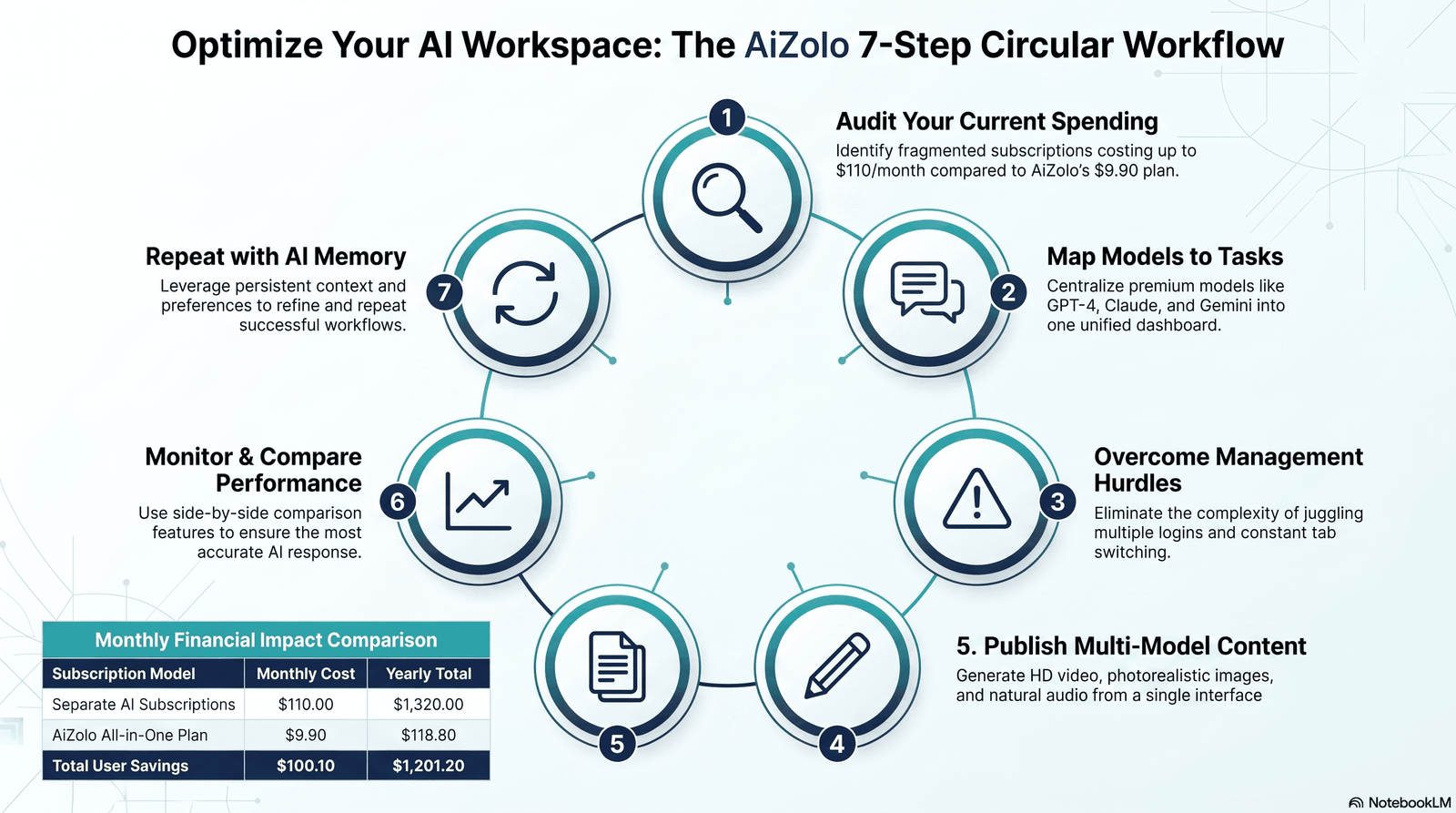
- Audit existing sentiment. Pull every review, support ticket theme, and social comment from the last 6–12 months. Tag each for topic and sentiment.
- Map sentiment to keywords. Cross-reference emotional themes against your existing keyword list. Look for keywords with strong volume but weak emotional coverage in your current content.
- Identify the top 10 objections. Rank them by frequency and by how directly they block conversion, not just how often they’re mentioned.
- Brief content around objections, not just keywords. Each brief should name the emotional job of the page alongside the target keyword.
- Write and publish in small batches. Five well-researched pages beat twenty rushed ones, especially under current spam policies.
- Monitor sentiment and rankings together. Track them on the same dashboard so shifts in one explain shifts in the other.
- Re-run the audit quarterly. Sentiment shifts with product changes, pricing changes, and market conditions — SEO content needs to shift with it.
Startup SEO Stages and Where Sentiment Fits
| Stage | Focus | Sentiment’s role |
|---|---|---|
| Pre-launch | Positioning, early keyword research | Analyze competitor review gaps before you write a word |
| Early traction (0–12 months) | Foundational content, on-page SEO | Layer sentiment into briefs from day one |
| Growth (12–24 months) | Scaling content, backlinks | Use sentiment shifts to prioritize which pages to update first |
| Maturity (24+ months) | Authority building, defending rankings | Sentiment tracking becomes an early-warning system for reputation risk |
Content Optimization Using Sentiment
Once you know the emotional gaps, optimization is about placement, not just presence.
Address the strongest objection near the top of the page, not buried in paragraph twelve. Readers — and passage ranking systems — reward content that resolves tension early.
Use language pulled directly from real reviews and support tickets (paraphrased, never copied verbatim) so the content mirrors how customers actually describe the problem, not how your team describes it internally.
Pair every objection with proof. A claim like “our onboarding is fast” means nothing without a specific number, screenshot, or customer quote backing it up.
Review Analysis as a Content Research Method
Review analysis is one of the most underused research methods in startup SEO. It’s free, it’s honest, and competitors rarely read their own reviews as closely as they should.
Group reviews by theme rather than by rating. A 3-star review might contain the single most useful piece of content research in your entire dataset.
Watch for recurring specific language. If multiple reviewers independently use the same phrase to describe a problem, that phrase is a near-perfect long-tail keyword candidate.
Social Listening for Startup SEO
Social listening extends sentiment research beyond your own review pages, into places prospects talk before they ever land on your site.
Track category-level conversations, not just brand mentions. Someone complaining about “every tool in this space” is telling you exactly what emotional positioning would make you stand out.
Watch competitor comment sections. People often voice objections about a competitor publicly that they’d never put in a formal review — and those objections are content opportunities for you.
Competitor Sentiment Analysis
Most competitor research stops at keyword gaps. Sentiment analysis adds an emotional gap layer that’s far harder for competitors to close quickly.
Read competitor reviews the way you’d read your own. Their unresolved complaints are effectively a roadmap for content that outperforms them on trust, not just on keyword coverage.
Compare the emotional tone of competitor content against their actual customer sentiment. A mismatch — polished marketing copy sitting on top of frustrated reviews — is a credibility gap you can address directly and honestly in your own content.
Measuring Success: KPIs for Sentiment Driven SEO
Sentiment work needs its own scorecard, sitting alongside standard SEO KPIs.
Metrics Comparison
| Metric | What it measures | Traditional SEO tracks it? | Sentiment SEO adds |
|---|---|---|---|
| Organic rankings | Position for target keywords | Yes | Cross-reference against sentiment trend |
| Click-through rate | Search Console CTR | Yes | Read as an early trust/interest signal |
| Dwell time / bounce rate | GA4 engagement | Yes | Read as emotional resonance proxy |
| Net sentiment score | % positive minus % negative mentions | No | Core sentiment SEO metric |
| Branded search volume | Searches for your company name | Partially | Strong indicator of positive lasting impression |
| Review sentiment trend | Sentiment change over time in reviews | No | Core sentiment SEO metric |
| AI answer sentiment | How chatbots describe your brand | No | Emerging core metric for 2026 |
Set a baseline before you start. Without a “before” sentiment score, you can’t credibly claim the strategy worked, and you won’t know which content changes actually moved the needle.
Case Studies: Real Startup Patterns
While every startup’s numbers are proprietary, the pattern below reflects a composite of the sentiment-driven engagements Aizolo has run with early-stage SaaS clients.
Pattern one — a project management SaaS startup. Review analysis surfaced a recurring complaint about complicated onboarding across nearly every competitor. The startup rewrote its comparison and landing pages to lead with a specific, provable onboarding timeline.
Branded search volume and demo requests both increased within one quarter, and the content began appearing in AI Overview summaries for “easiest project management tool to set up.”
Pattern two — a fintech startup. Sentiment analysis on support tickets revealed that “security” concerns outnumbered “pricing” concerns nearly two to one, despite the marketing team spending most of its content budget on pricing pages.
Reallocating content toward security transparency (compliance certifications, plain-language security explainers) shifted both trust signals and organic rankings for security-adjacent long-tail queries.
Pattern three — a DTC subscription brand. Social listening found a wave of positive sentiment around a single unboxing detail nobody on the marketing team considered important. Leaning into that detail in content and outreach produced organic backlinks the brand hadn’t been able to earn through cold outreach alone.
Limitation worth naming honestly: sentiment-driven changes are easier to correlate with growth than to prove caused it outright. Treat these as directional evidence, not controlled experiments — and pair sentiment work with standard SEO measurement, not as a replacement for it.
Common Myths About Sentiment Driven SEO
Myth: “Sentiment SEO means writing overly emotional copy.” It doesn’t. It means understanding emotion, then writing clearly and specifically — the opposite of vague, hype-driven copy.
Myth: “You need enterprise budgets to do this.” Startups often have a research advantage here, not a resource disadvantage, because their data set is small enough to actually read in full.
Myth: “Sentiment analysis tools are always accurate.” They’re directionally useful, not perfectly accurate — even the best tools in 2026 still misclassify a meaningful percentage of sarcastic and mixed-sentiment content. Human review of a sample is still worth the time.
Myth: “This replaces keyword research.” It doesn’t. It’s a layer on top of keyword research, not a substitute for it.
The Future of Sentiment Driven SEO: 2026 Trends
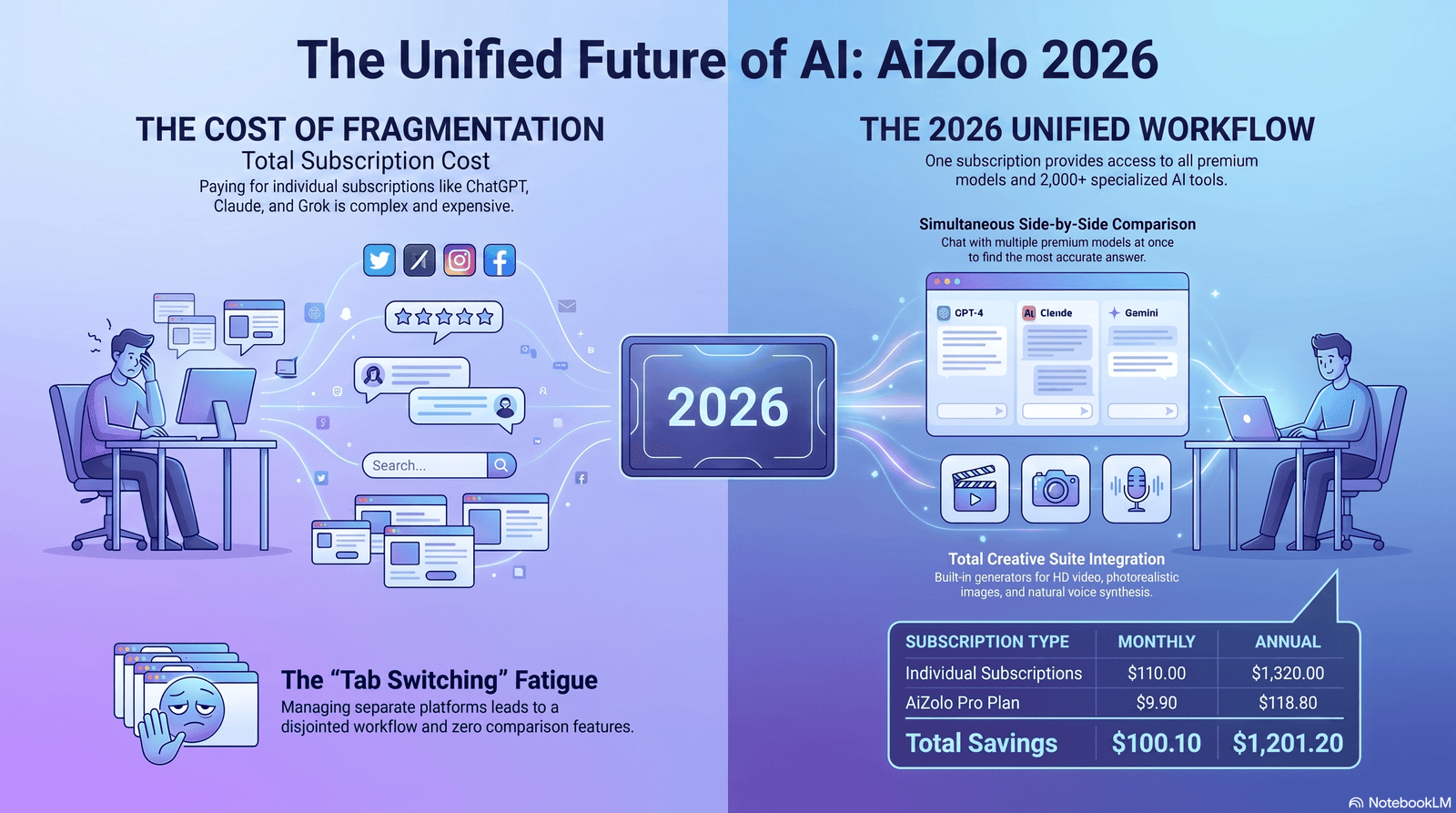
AI Overviews and chat-based search are pushing sentiment tracking beyond social listening and into “how does an AI system describe my brand when asked directly.” That’s arguably the single biggest shift shaping 2026 SEO strategy for startups.
Google’s systems increasingly blend relevance, trust, and authority signals through layered evaluation rather than a simple checklist, which means sentiment-adjacent quality signals will keep gaining relative weight as keyword-matching alone becomes less differentiating.
Google’s local ranking systems already parse the actual text of reviews for sentiment and topic relevance, not just the star rating attached to them — a pattern likely to extend further into broader web ranking over time.
Multimodal sentiment analysis — reading tone in video and audio content, not just text — is moving from enterprise-only to increasingly accessible for growth-stage startups as tooling matures.
Expect “AI sentiment audits” to become a standard line item in startup marketing budgets by late 2026, the same way technical SEO audits became standard a decade ago.
Expert Recommendations for Startup Teams
Start small and specific. Pick one product line or one customer segment for your first sentiment audit rather than trying to analyze everything at once.
Assign ownership. Sentiment work fails when it’s “everyone’s job,” because that usually means it’s no one’s job. One person — even part-time — should own the sentiment-to-content pipeline.
Pair sentiment data with a human reader. Automated sentiment scores are a filter, not a final verdict. Read the highest-volume flagged items yourself before briefing content around them.
Build sentiment review into your existing content calendar instead of treating it as a separate initiative. A quarterly sentiment check-in, timed alongside quarterly content planning, keeps the work sustainable for a lean team.
Action Checklist
- [ ] Pull the last 6–12 months of reviews and support tickets
- [ ] Choose one sentiment analysis tool suited to a lean team’s budget
- [ ] Tag review and social data by topic and sentiment
- [ ] Identify your top 10 recurring objections
- [ ] Map objections against existing keyword targets
- [ ] Audit 3–5 direct competitors’ review sentiment
- [ ] Brief content around objections, not just keywords
- [ ] Publish in small, well-researched batches
- [ ] Set up a shared dashboard tracking rankings and sentiment together
- [ ] Schedule a quarterly re-audit on the calendar now
Summary
Sentiment Driven SEO for startups closes the gap between what people search and how people feel while searching it. Google’s existing ranking systems already reward the outcomes sentiment-aware content produces — engagement, trust, satisfaction — even without a single, published “sentiment score.” Startups have a real advantage here: smaller data sets, direct customer access, and the speed to act on what they learn. The strategy isn’t a replacement for keyword research, technical SEO, or link building. It’s the layer that makes all three convert better.
Conclusion
SEO in 2026 isn’t just a matching exercise between queries and pages anymore. It’s a trust exercise, and trust is built on emotion whether marketers plan for it or not. Startups that treat sentiment as a research input — not a vague brand nicety — will keep finding content gaps their competitors haven’t noticed yet.
That’s the real opportunity behind Sentiment Driven SEO for startups: not a new trick, but a more honest way of listening to the people you’re trying to reach. At Aizolo, this is the layer we build into every startup SEO engagement, because it consistently produces the difference between content that ranks and content that actually earns trust.
Frequently Asked Questions
1. What is Sentiment Driven SEO for startups? It’s an SEO approach that combines traditional keyword optimization with AI sentiment analysis from reviews, social mentions, and AI chat platforms. It helps startups create content that matches both what people search and how they feel while searching, improving engagement, trust, and rankings over time.
2. Is sentiment analysis an official Google ranking factor? Google hasn’t confirmed a standalone “sentiment score.” However, its systems already read review text for relevance, track engagement behavior as a quality proxy, and reward content that satisfies searchers — all outcomes sentiment-aware content tends to produce.
3. How is Sentiment Driven SEO different from regular SEO? Regular SEO asks what a query means. Sentiment SEO adds a second question: what emotional state is behind that query. It’s a layer added to keyword research, not a replacement for it.
4. Can a small startup team realistically do this without a big budget? Yes. Startups often have an advantage here because their review and social data sets are small enough to read manually, and many capable sentiment tools have affordable entry-level tiers built for small teams.
5. What tools should startups use for sentiment analysis? Start with a social listening tool that covers reviews and social mentions, such as Brand24 or a comparable platform. Growth-stage startups should also start tracking how AI chat platforms like ChatGPT and Perplexity describe their brand, since that’s a fast-growing discovery channel.
6. How accurate are AI sentiment analysis tools? Most text-based tools sit in the 82–88% polarity accuracy range and still struggle with sarcasm and mixed sentiment. Treat scores as directional signals and manually review a sample before making major content decisions.
7. How often should a startup run a sentiment audit? Quarterly is a reasonable cadence for most early-stage teams. Sentiment shifts with product changes, pricing changes, and market conditions, so content should be revisited on a similar schedule.
8. Does sentiment SEO help with AI Overviews and chatbot visibility? Yes. AI systems increasingly summarize brand sentiment when answering questions, so improving how customers describe you across reviews and social platforms directly affects how AI tools describe you too.
9. What’s the biggest mistake startups make with sentiment SEO? Treating negative reviews only as a reputation problem instead of free content research. Unresolved objections in reviews are often the most valuable, lowest-cost keyword and content ideas a startup has access to.
10. Should sentiment SEO replace traditional keyword research? No. It’s most effective layered on top of solid keyword research, technical SEO, and link building — not as a standalone strategy.
11. How does sentiment analysis help with conversions, not just rankings? It surfaces the specific emotional objections blocking a purchase decision, so content can address them directly. Naming an objection before a reader has to search for the answer builds trust faster than a generic feature list.
12. What’s the difference between social listening and sentiment analysis? Social listening is the process of monitoring mentions across platforms. Sentiment analysis is the layer that classifies the emotional tone of those mentions. Most modern tools combine both in one dashboard.
13. Can sentiment data help with competitor research? Yes. Reading competitor reviews for unresolved complaints reveals emotional gaps in their positioning that a startup can address directly and honestly in its own content.
14. What KPIs should startups track for sentiment SEO? Net sentiment score, review sentiment trend, branded search volume, dwell time, and — increasingly — how AI platforms describe the brand in generated answers, alongside standard ranking and traffic metrics.
15. Is sentiment-driven content different to write than standard SEO content? The research process differs more than the writing style. Briefs need to name the emotional objection a page is solving, in addition to the target keyword, before writing begins.
Author Bio
Jeevesh Tripathi Email: jeevesh@aizolo.com
Jeevesh Tripathi leads AI and SEO strategy at Aizolo, where he works directly with startup and SaaS founders to build search visibility that survives algorithm shifts. His work sits at the intersection of technical SEO, AI content systems, and applied sentiment analysis, built from hands-on experience running organic growth programs for early-stage companies navigating limited budgets and fast-changing search behavior. Jeevesh writes to translate emerging AI search developments — including AI Overviews, answer engine optimization, and sentiment-driven content strategy — into practical, testable frameworks that startup teams can run without an enterprise-sized marketing department.