AI Tools Everyone Is Using But Nobody Explains Properly
Artificial Intelligence is everywhere in 2025. From writing emails to creating images, analyzing data, and answering complex questions — AI tools are being used daily by students, professionals, creators, and businesses.
But here’s the problem 👇
Most people use AI tools without truly understanding how they work, what they’re best at, and where they fail.
As a result:
- They get inconsistent results
- They blame AI for “wrong answers”
- They overpay for tools they don’t fully utilize
In this blog, we’ll break down the most widely used AI tools, explain what they actually do behind the scenes, where people get confused, and how to use them properly.
1. AI Chatbots (ChatGPT, Claude, Gemini) – More Than Just “Answer Machines”
The Common Misunderstanding
Most users think AI chatbots:
- “Know everything”
- Give one correct answer
- Work the same way across platforms
This is completely wrong.
What AI Chatbots Actually Are
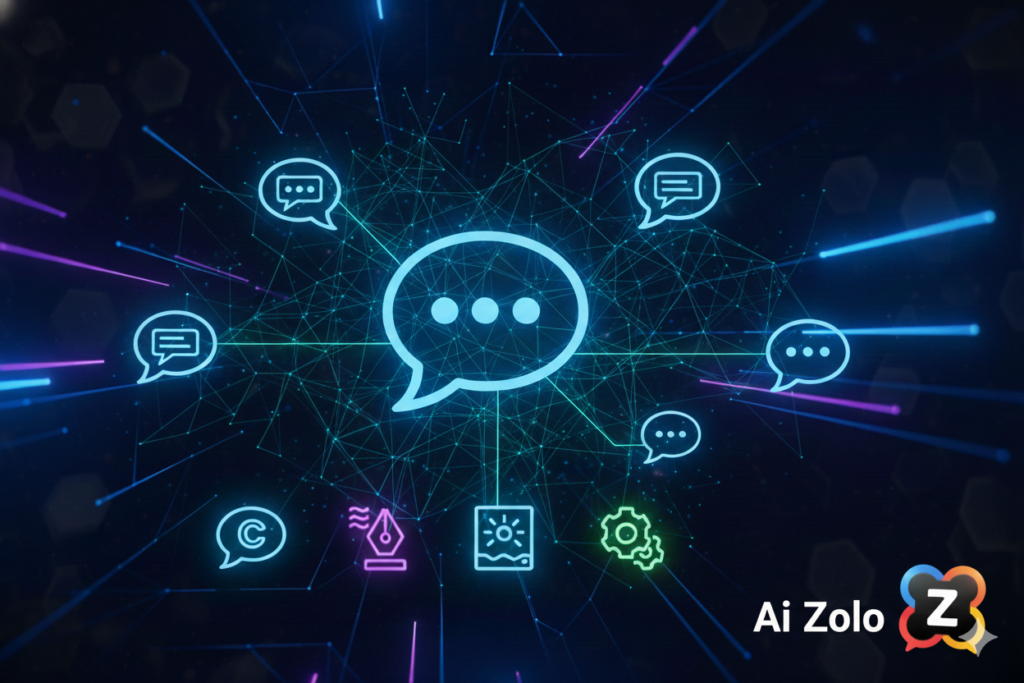
AI chatbots are Large Language Models (LLMs) trained on massive text datasets.
They predict the next best word, not “think” or “understand” like humans.
Each chatbot is optimized differently:
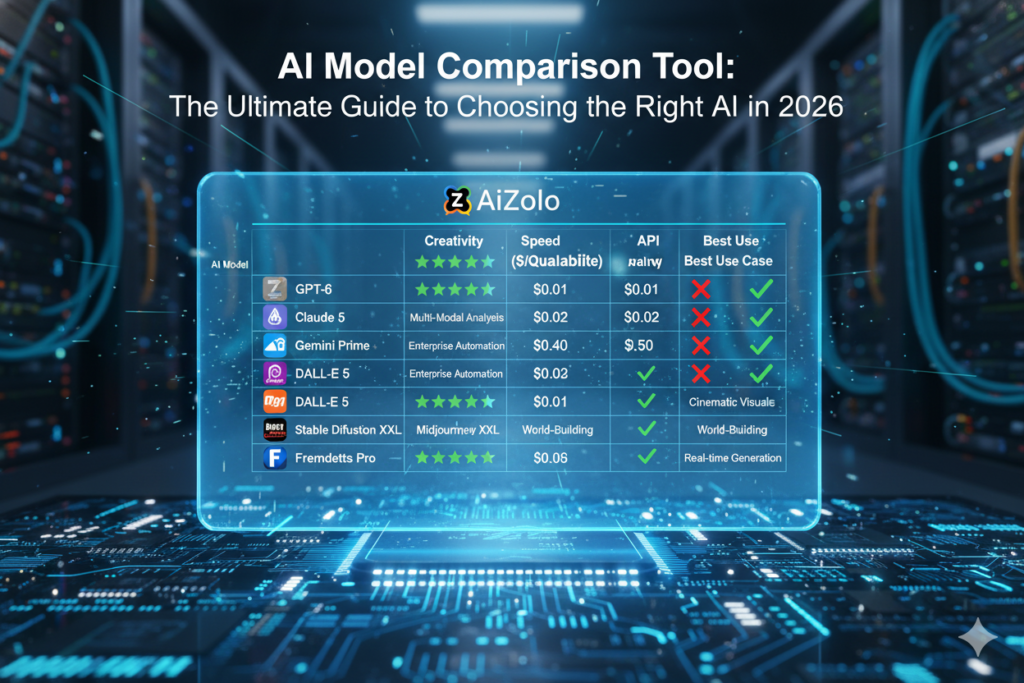
| Model | Best At | Weakness |
|---|---|---|
| ChatGPT | Logical reasoning, coding, structured output | Can be verbose |
| Claude | Long content, human-like writing | Less technical depth |
| Gemini | Research, real-world context | Inconsistent creativity |
How to Use Them Properly
Instead of asking:
“Write a blog on AI”
Ask:
“Write a 1200-word SEO blog for beginners explaining AI tools with examples, simple language, and subheadings.”
📌 Key Concept:
AI quality depends on clarity + context, not intelligence.

Prompt Engineering – The Skill Nobody Teaches Properly
❌ The Myth
“Prompt engineering is technical and only for developers.”
✅ Reality
Prompting is simply clear communication.
Core Prompt Elements Explained
A good prompt has 4 parts:
- Role – Who the AI should act as
- Task – What you want done
- Context – Background information
- Output Format – How results should look
Example:
“Act as an SEO expert. Write a beginner-friendly blog on AI tools for small businesses. Use simple language, examples, and bullet points.”
Why People Fail With Prompts
- Vague instructions
- No target audience
- No output structure
Proper prompting = better results without changing tools

3. AI Image Generators – Why Results Look Random
Popular Tools
- Midjourney
- DALL·E
- Stable Diffusion
❌ What People Expect
- “Create exactly what I imagine”
- Perfect faces, hands, and realism every time
✅ What Actually Happens
AI image tools work on diffusion models — they refine random noise step by step based on text prompts.
If your prompt lacks:
- Lighting
- Style
- Camera angle
- Mood
You’ll get unpredictable output.
Instead of:
“Create a business banner”
Use:
“Create a dark-themed professional website banner, neon blue accents, modern UI style, 4K resolution, cinematic lighting”
AI images respond to detail, not creativity alone
4. AI Writing Tools – Why Content Feels “Robotic”
❌ The Mistake
Using AI to:
- Copy-paste blogs
- Write without editing
- Avoid human input
✅ The Right Approach
AI should:
- Create first drafts
- Improve clarity
- Suggest structure
Humans should:
- Add opinions
- Adjust tone
- Add experience
Why Google Penalizes AI Content
Not because it’s AI — but because:
- It lacks originality
- No real value
- No human perspective
AI is a writing assistant, not a writer replacement
5. AI Hallucinations – Why AI Confidently Lies
❌ Common Confusion
“AI gave the wrong answer — it must be broken.”
✅ Reality
AI does not verify facts.
It predicts plausible text, not truth.
This is called hallucination.
- Legal advice
- Medical information
- Statistics
- Historical facts
How Professionals Handle This
- Cross-check answers
- Ask for sources
- Compare responses from multiple models
Never trust one AI blindly
6. Why Most People Feel AI “Isn’t Working for Them”
Because they:
- Don’t understand AI limitations
- Use wrong prompts
- Depend on one tool
- Expect human intelligence
AI rewards clarity, experimentation, and comparison.
Final Thoughts: AI Is Powerful, But Only If You Understand It
AI tools are not magic.
They are systems with strengths and weaknesses.
The users who win in 2025 are not those who:
❌ Use the most expensive AI
But those who:
✅ Understand how AI works
✅ Use the right tool for the right task
✅ Compare, refine, and guide AI properly
Pro Tip
If you want better results, always:
- Be specific
- Compare outputs
- Edit responses
- Learn prompting basics
AI doesn’t replace thinking —
it rewards better thinking.